5G Technology: Transforming Israel's Smart City Initiatives
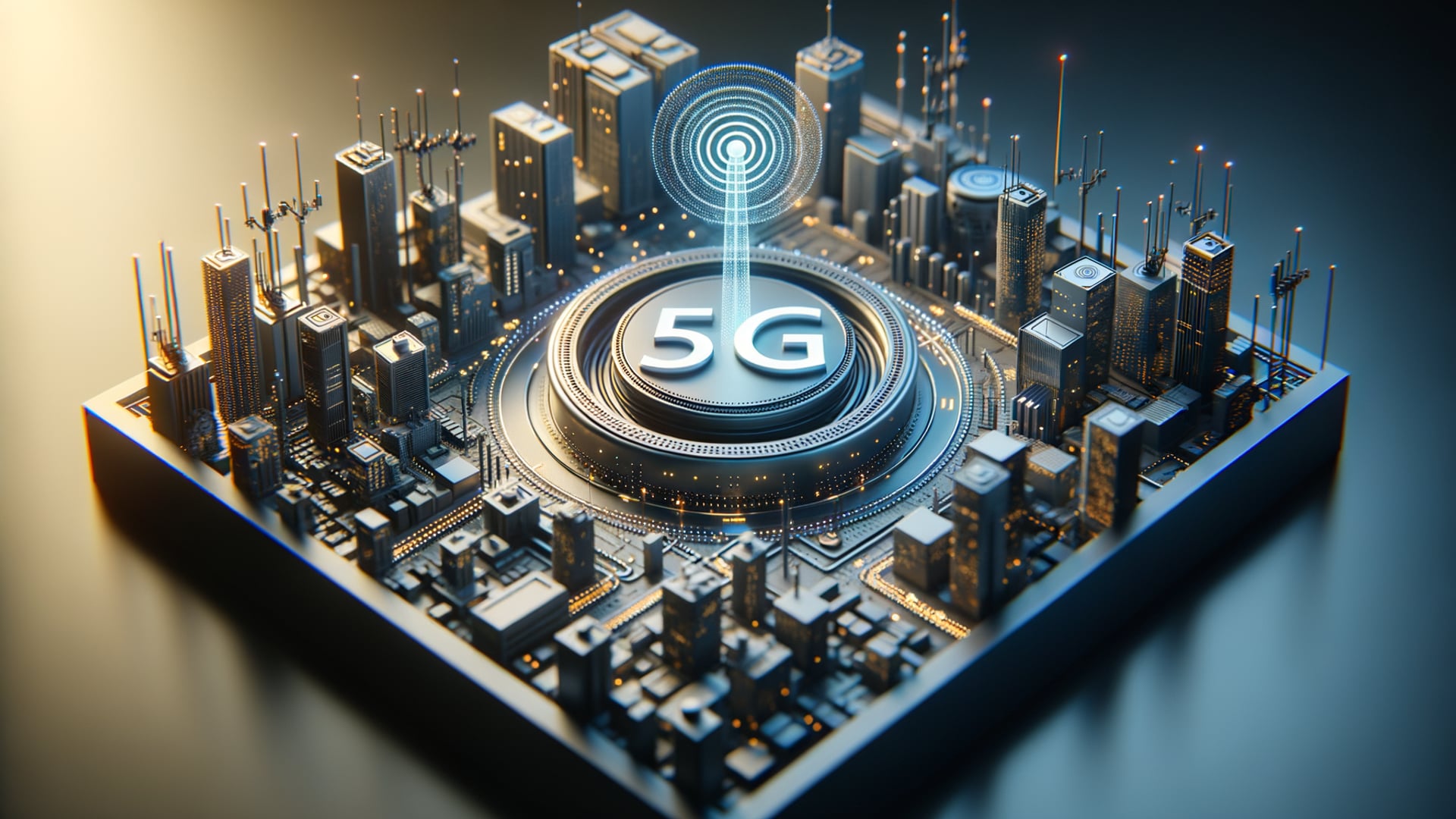
5G Technology: Transforming Israel's Smart City Initiatives
Israel is at the forefront of technological innovation, striving to create smarter cities that enhance the quality of life for its residents. The rollout of 5G technology is a critical component in this endeavor, promising faster connectivity, lower latency, and greater capacity. This blog post will explore how 5G is transforming smart city initiatives across Israel, revealing real-world applications, challenges, and future implications for urban development.
As we dive deeper into this transformative technology, it's essential to grasp the current state of 5G in Israel. The nation has made significant strides in its deployment, with the government, telecom operators, and tech startups joining forces to harness the potential of this next-generation network. By understanding the existing landscape, tech professionals and urban planners can better appreciate how to utilize 5G to create efficient, smart, and sustainable urban environments.
Moreover, this exploration will include practical examples and case studies from the Israeli tech scene, showcasing how various companies are leveraging 5G for innovative solutions in smart city projects. From traffic management to public safety, the possibilities are vast, and the need for a robust infrastructure to support these initiatives is urgent. As we unfold this narrative, we will also highlight the challenges faced during the implementation of 5G, presenting viable solutions to overcome these obstacles.
Ultimately, this blog post aims to provide actionable insights and takeaways for tech professionals, developers, and startup founders. As Israel continues to evolve into a leading hub for smart city innovation, understanding the role of 5G technology will be essential in shaping the future of urban development.
Current State of 5G Rollout in Israel
The 5G rollout in Israel has been progressing steadily since its initial trials in 2019. Major telecommunications companies, including Cellcom, Partner Communications, and Bezeq, have been instrumental in deploying 5G infrastructure across urban areas. As of late 2023, approximately 70% of the population has access to 5G networks, primarily in metropolitan areas such as Tel Aviv, Jerusalem, and Haifa.
In 2020, the Israeli government auctioned off 5G spectrum, which provided a significant boost to the deployment efforts. This auction attracted substantial investments from telecom operators, enabling them to expand their networks rapidly. The collaboration between the government and private sector has fostered an environment conducive to innovation, allowing startups and developers to create solutions that leverage the high-speed capabilities of 5G.
One notable aspect of the 5G rollout in Israel is the emphasis on smart city applications. Telecom companies are not just focused on providing faster internet; they are actively collaborating with municipalities to develop smart solutions that address urban challenges. This synergy between technology and governance has led to the emergence of various pilot projects aimed at enhancing urban living through data-driven solutions.
Smart City Projects Utilizing 5G
Several smart city projects in Israel are harnessing the power of 5G technology to improve urban living. One prominent example is the smart transportation initiative in Tel Aviv, which aims to optimize traffic flow and reduce congestion. By integrating real-time data from sensors embedded in roads and vehicles, the city can adjust traffic signals dynamically, ensuring smoother commutes for residents.
Additionally, cities are deploying smart waste management systems that utilize IoT devices connected via 5G. These devices monitor waste levels in bins and send alerts when they need to be emptied, allowing for more efficient waste collection. Not only does this save time and resources, but it also contributes to a cleaner environment.
Public safety is another critical area where 5G is making a significant impact. In Jerusalem, authorities are implementing smart surveillance systems that utilize high-definition cameras and AI algorithms to monitor public spaces. The low latency of 5G allows for real-time processing of video feeds, enabling quicker responses to incidents and enhancing overall security.
Furthermore, the integration of smart grids in various Israeli cities is another testament to the transformative potential of 5G. These grids allow for real-time monitoring and management of electricity consumption, enabling cities to optimize energy use and reduce waste. By deploying smart meters connected via 5G, utilities can gather data on energy consumption patterns and adjust supply accordingly.
Challenges and Solutions in Implementation
Despite the promising prospects of 5G technology, the implementation of smart city initiatives is not without challenges. One of the primary obstacles is the need for extensive infrastructure upgrades. Many cities must invest significantly in new hardware, such as antennas and base stations, to support the deployment of 5G networks.
Another challenge is the issue of data privacy and security. As cities collect and analyze vast amounts of data from connected devices, concerns about how this data is used and protected become paramount. Municipalities must establish robust data governance policies to ensure that sensitive information is handled responsibly and transparently.
Moreover, the digital divide is a critical issue that must be addressed. As 5G technology rolls out, there is a risk that marginalized communities may be left behind, lacking access to the benefits of smart city solutions. It is essential for city planners and policymakers to ensure equitable access to technology, promoting inclusivity in urban development.
To tackle these challenges, collaboration among stakeholders is vital. Governments, private sector companies, and community organizations must work together to develop comprehensive strategies that address infrastructure, privacy, and equity. By fostering partnerships, cities can pool resources, share knowledge, and implement solutions that benefit all residents.
Future Implications for Urban Development
The future implications of 5G technology for urban development in Israel are profound. As cities continue to evolve into smart ecosystems, the integration of advanced technologies will reshape the way residents interact with their urban environments. Enhanced connectivity will enable the development of innovative applications that improve quality of life, from autonomous public transportation to advanced healthcare services.
Moreover, the data generated by smart city solutions will provide valuable insights for urban planners and policymakers. By analyzing patterns in mobility, energy consumption, and public safety, cities can make informed decisions that enhance sustainability and efficiency. This data-driven approach will foster a more responsive urban landscape that adapts to the needs of its residents.
Additionally, the rise of 5G technology will likely stimulate economic growth, attracting investments and fostering the growth of local startups. As Israel positions itself as a hub for smart city innovation, the demand for skilled professionals in fields such as IoT, data analytics, and cybersecurity will continue to rise, creating new job opportunities.
In this evolving landscape, continuous education and training for tech professionals will be essential. As new technologies emerge, developers and engineers must stay abreast of the latest advancements to leverage their potential effectively. This commitment to lifelong learning will ensure that Israel remains at the cutting edge of smart city initiatives.
Real-World Use Cases from the Israeli Tech Scene
Several Israeli tech companies are leading the charge in utilizing 5G technology for smart city applications. One notable example is the startup City Transformer, which is developing compact electric vehicles designed for urban environments. By leveraging 5G connectivity, these vehicles communicate with traffic management systems, optimizing routes and reducing congestion.
Another innovative company, RAD, has introduced a solution that enhances public safety through real-time data analytics. Their smart surveillance systems utilize 5G connectivity to process video feeds from cameras installed in public spaces, allowing for rapid response to emergencies. This technology not only improves security but also fosters a sense of safety among residents.
Furthermore, the company Waze, now a part of Google, continues to innovate in traffic management through its real-time navigation app. With the integration of 5G technology, Waze can provide even more accurate traffic data, helping drivers avoid congestion and reduce travel time. This collaboration between private companies and municipalities exemplifies the potential of 5G in enhancing urban mobility.
Additionally, the Israeli startup Airovation is revolutionizing urban air quality monitoring. Their IoT-enabled sensors collect data on air pollution levels and transmit it over 5G networks. This real-time data allows cities to respond promptly to pollution spikes, implementing measures to protect public health.
Best Practices and Tips
For tech professionals and urban planners looking to harness 5G technology for smart city initiatives, several best practices can guide their efforts. First and foremost, fostering collaboration among stakeholders is crucial. Engaging with government agencies, private sector partners, and community organizations can lead to innovative solutions that address urban challenges.
Moreover, prioritizing data privacy and security is essential. Establishing clear data governance policies will help mitigate risks associated with data collection and analysis. This proactive approach will build trust among residents and encourage their participation in smart city initiatives.
Investing in education and training for professionals in the tech industry is also vital. As new technologies emerge, continuous learning will ensure that the workforce remains equipped with the skills needed to drive innovation. This commitment to professional development will position Israel as a leader in smart city solutions.
Actionable Insights and Takeaways
The integration of 5G technology in Israel's smart city initiatives presents numerous opportunities for innovation and improvement. By understanding the current state of 5G rollout and the various projects utilizing this technology, tech professionals can identify avenues for collaboration and development.
Addressing challenges related to infrastructure, data privacy, and equity will be critical in realizing the full potential of smart cities. By fostering partnerships and implementing best practices, cities can create inclusive environments that benefit all residents.
As the landscape of urban development continues to evolve, the role of 5G technology will only grow in importance. Staying informed about advancements in this field will empower tech professionals to contribute meaningfully to the future of smart cities in Israel.
Conclusion and Call to Action
In conclusion, 5G technology is poised to transform Israel's smart city initiatives, enhancing connectivity and enabling innovative solutions to urban challenges. As the country continues to invest in this transformative technology, the potential for economic growth, improved quality of life, and sustainable urban development is immense.
For tech professionals, developers, and startup founders, this is an exciting time to be involved in the smart city movement. By embracing collaboration, prioritizing data governance, and committing to continuous learning, you can play a pivotal role in shaping the future of urban environments in Israel.
Let us work together to harness the power of 5G technology, creating smarter, more efficient, and more inclusive cities for everyone. The future is bright, and the possibilities are endless.






Comments
💬 Share your thoughts