Comparing CRM Solutions: WhatsApp Business API vs. Traditional CRM
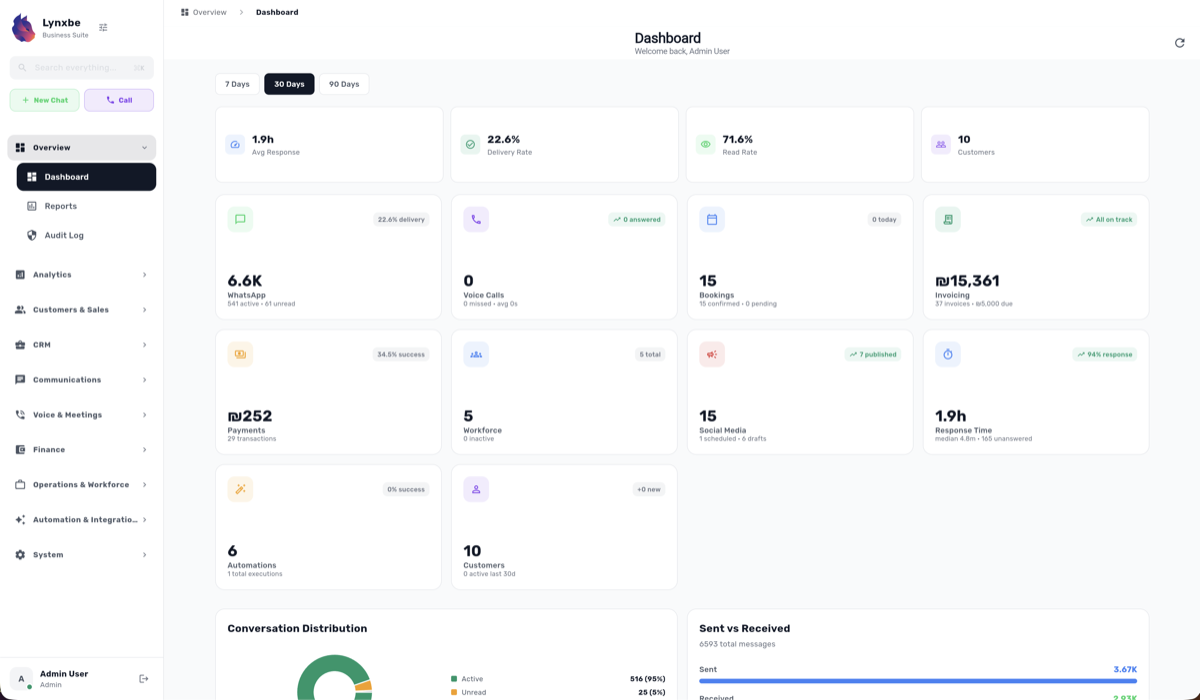
The landscape of customer relationship management (CRM) is changing rapidly as technology evolves. Traditional CRM systems have been the cornerstone of customer management for decades, but the advent of new communication platforms is forcing businesses to rethink their strategies. One such platform that has gained prominence is the WhatsApp Business API, which opens up a new avenue for customer interaction, especially in fast-paced environments like those found in Israel's vibrant tech scene.
As businesses navigate this new territory, understanding the differences between WhatsApp Business API and traditional CRM solutions becomes crucial. This comparison is particularly relevant for tech professionals, startup founders, and CTOs who are tasked with selecting the right tools to foster customer engagement and drive business growth. In this post, we will delve into the features of both solutions, their cost implications, real-world use cases, and best practices for integration.
To set the stage, it is important to realize that both WhatsApp Business API and traditional CRMs serve the same core purpose: managing customer relationships. However, they approach this goal in different ways, utilizing distinct methodologies and technologies. While traditional CRMs may offer comprehensive dashboards and extensive reporting features, WhatsApp Business API brings the immediacy of messaging to the forefront, allowing businesses to connect with customers in real-time.
As we explore these tools, we will unpack various dimensions, including feature comparison, cost implications for small and medium businesses, and practical examples that illustrate the effectiveness of both solutions. By the end of this discussion, you should have a clearer understanding of which approach might be best suited for your business needs, particularly in the context of the evolving digital landscape.
Feature Comparison of WhatsApp Business API and Traditional CRMs
When it comes to features, traditional CRM systems have long been the go-to solution for tracking customer interactions, managing sales pipelines, and analyzing customer data. Systems like Salesforce, HubSpot, and Zoho provide a wealth of functionalities, including lead scoring, customer segmentation, and customizable reporting tools. These features allow businesses to gain insights into customer behaviors and preferences, ultimately enabling more strategic decision-making.
In contrast, the WhatsApp Business API focuses on real-time communication and engagement. It allows businesses to send messages, notifications, and updates directly to customers' WhatsApp accounts, leveraging a platform that is widely used and trusted by millions. The API supports automated messaging, which can be particularly beneficial for responding to customer inquiries outside of regular business hours.
One of the standout features of WhatsApp Business API is its ability to facilitate interactive conversations through chatbots. These bots can handle frequently asked questions, schedule appointments, and even process orders. Traditional CRMs may incorporate chat functionality, but they often lack the immediacy and accessibility provided by messaging apps like WhatsApp. This immediacy can significantly enhance customer satisfaction, as users prefer to communicate through channels they already use daily.
Additionally, WhatsApp Business API offers features such as rich media sharing, which allows businesses to send images, videos, and documents alongside their messages. This adds a layer of engagement that traditional CRMs may struggle to replicate. Businesses can share product catalogs or promotional materials in a format that feels more natural to users, thereby increasing the likelihood of conversion.
Cost Implications for Small and Medium Businesses
Cost is often a critical factor when selecting a CRM solution, especially for small and medium businesses (SMBs). Traditional CRMs typically operate on a subscription model, where businesses pay a monthly fee based on the number of users or features they need. While this model can be affordable for larger organizations with substantial customer bases, it may become prohibitively expensive for smaller businesses that have limited budgets.
On the other hand, the WhatsApp Business API presents a different cost structure. While there is no upfront fee for using the API itself, businesses must consider the costs associated with integrating it into their existing systems and the potential expenses of message delivery. WhatsApp charges businesses per message sent, and this cost can vary based on the destination country. For example, sending messages to customers in Israel may incur different rates compared to other regions.
For many SMBs, the cost-effectiveness of WhatsApp Business API can outweigh that of traditional CRMs, especially when factoring in the potential for increased engagement and sales. The ability to reach customers on a platform they already use can lead to higher conversion rates and improved customer retention, ultimately justifying the investment.
Furthermore, small businesses can leverage the API in conjunction with other low-cost tools to create a comprehensive customer engagement strategy. For instance, integrating WhatsApp with other third-party applications for customer support or sales automation can enhance its effectiveness while keeping costs manageable.
Real-World Examples of Businesses Benefiting from Integration
To illustrate the practical applications of WhatsApp Business API and traditional CRMs, let’s look at some real-world examples from the Israeli tech scene. One notable case is that of a local startup that specializes in e-commerce. This business integrated WhatsApp Business API into its customer service strategy, allowing customers to inquire about products, track deliveries, and resolve issues through a familiar messaging platform.
As a result, the startup experienced a significant reduction in response times and increased customer satisfaction scores. Customers appreciated the ability to reach out via WhatsApp, which they found more convenient than navigating through traditional email or customer support portals. This integration not only streamlined their customer service process but also helped the company build stronger relationships with its customers by providing quick and personalized responses.
Another example is a small travel agency in Tel Aviv that utilized the WhatsApp Business API to communicate with clients regarding travel arrangements and updates. By sending real-time notifications about flight changes, itinerary updates, and promotional offers through WhatsApp, the agency saw a marked increase in client engagement and bookings. The agency found that clients were more likely to respond promptly to WhatsApp messages compared to other communication channels, leading to a higher conversion rate.
These cases demonstrate how the WhatsApp Business API can enhance customer interactions and drive sales for businesses of all sizes. While traditional CRMs also offer valuable tools for managing customer relationships, the immediacy and accessibility of WhatsApp provide a unique advantage in engaging customers in real-time.
Tips for Transitioning to an Integrated Solution
Transitioning from a traditional CRM to an integrated solution that includes WhatsApp Business API requires careful planning and execution. Here are some actionable tips to facilitate a successful transition:
First, evaluate your current CRM system and identify the specific features and functionalities that are critical to your operations. Determine how WhatsApp Business API can complement these features and fill any gaps in your customer engagement strategy. Conduct a thorough analysis of your customer interaction patterns to understand how and when customers prefer to communicate.
Next, consider investing in training for your team to ensure they are comfortable with the new tools and processes. Familiarity with WhatsApp Business API’s functionalities, such as automated messaging and rich media sharing, can empower your team to leverage the platform effectively. Additionally, establish clear guidelines on how to handle customer interactions via WhatsApp to maintain a consistent brand voice.
Lastly, monitor and measure the impact of your integration over time. Utilize analytics tools to track customer engagement, response times, and conversion rates. By gathering data on customer interactions through both WhatsApp and your traditional CRM, you can make informed adjustments to your strategy and optimize your performance.
Actionable Insights and Takeaways
In summary, the comparison between WhatsApp Business API and traditional CRMs reveals significant differences in features, cost, and customer engagement strategies. While traditional CRMs offer robust tools for managing customer data and sales pipelines, WhatsApp Business API excels in real-time communication and customer interaction.
For small and medium businesses, the cost implications of adopting WhatsApp Business API can be more favorable, particularly when considering the potential for improved customer engagement and satisfaction. Real-world examples from the Israeli tech scene illustrate how businesses are successfully leveraging WhatsApp to enhance their customer service and drive sales.
As you contemplate integrating these solutions, remember to evaluate your specific business needs, invest in team training, and continuously monitor the effectiveness of your integration. By doing so, you can ensure that your customer engagement strategy is not only effective but also adaptable to the ever-evolving technological landscape.
Conclusion and Call to Action
As technology continues to reshape the way we interact with customers, understanding the strengths and weaknesses of different CRM solutions is more important than ever. The WhatsApp Business API offers a unique approach to customer relationship management, focusing on real-time engagement and accessibility that can complement traditional CRM systems.
For tech professionals, startup founders, and CTOs in Israel, the choice between WhatsApp Business API and traditional CRMs should be guided by your business goals, customer preferences, and budget considerations. Take the time to evaluate your options, experiment with integrations, and adapt your strategies based on real-world insights.
Embrace the change and leverage the power of technology to build stronger relationships with your customers. Start exploring how WhatsApp Business API can enhance your customer engagement strategy today, and position your business for success in the digital age.






Comments
💬 Share your thoughts