Cybersecurity Innovations: Israel's Response to Global Threats
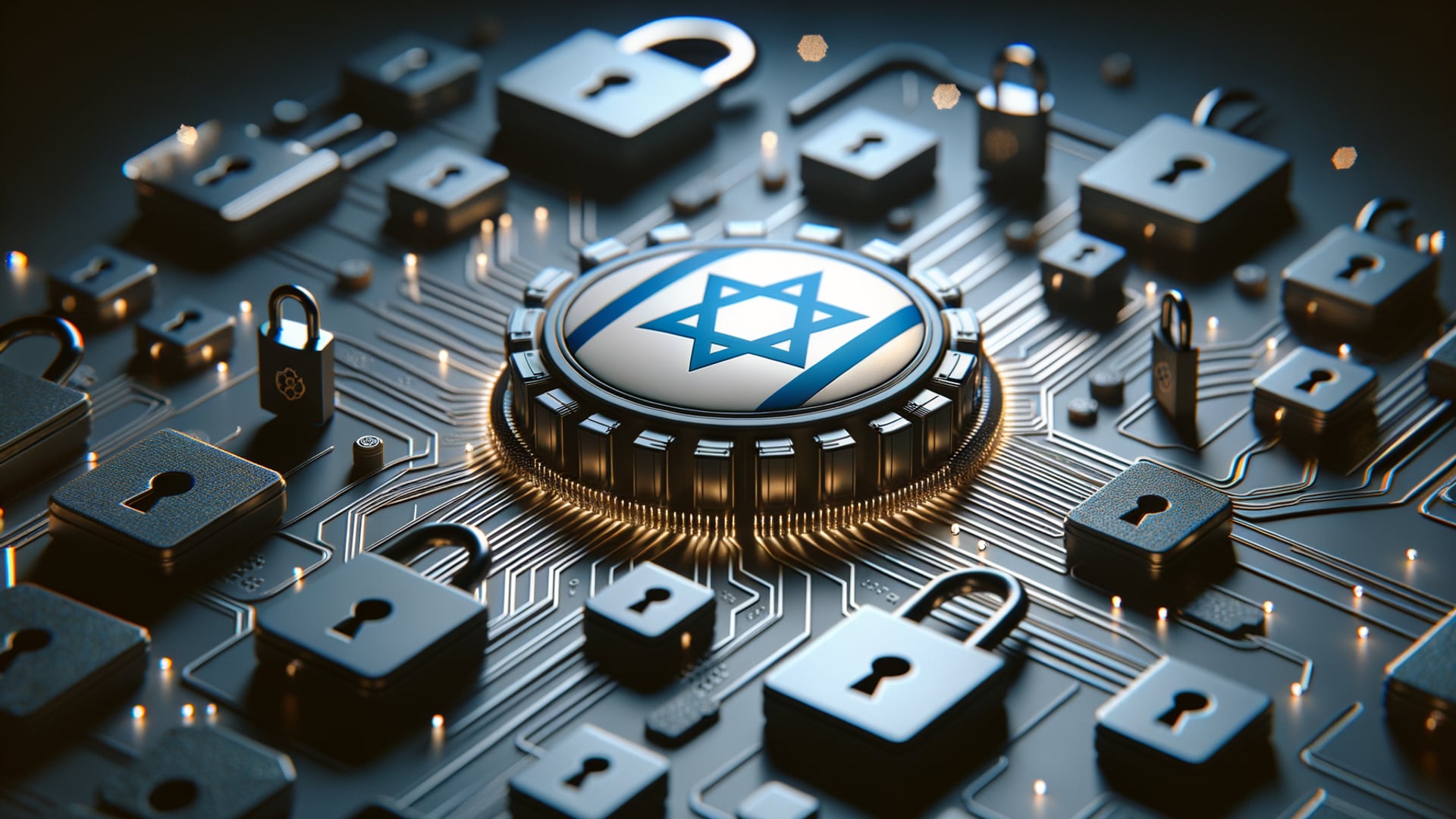
As the world becomes increasingly interconnected, the landscape of cybersecurity is undergoing profound changes. From ransomware attacks crippling major corporations to state-sponsored cyber espionage targeting critical infrastructure, the threats are manifold and ever-evolving. In this precarious environment, Israel stands out as a beacon of innovation and resilience in cybersecurity. Known for its robust tech ecosystem and military expertise, the country is not only addressing its own security needs but is also playing a pivotal role in shaping global cybersecurity standards.
The urgency to tackle cybersecurity threats has never been more pronounced, with the global cost of cybercrime projected to reach $10.5 trillion annually by 2025. The COVID-19 pandemic has further accelerated the adoption of digital technologies, creating a fertile ground for cybercriminals. As businesses and governments scramble to protect their data, Israeli companies are stepping up with cutting-edge solutions that blend advanced technology with innovative thinking. This blog post delves into Israel’s response to global cybersecurity threats, spotlighting key players, best practices, and government initiatives.
In this detailed exploration, we will examine the current global cybersecurity threats facing organizations today, highlight leading Israeli cybersecurity companies and their groundbreaking solutions, and provide actionable insights for startups looking to enhance their security posture. Moreover, we will discuss government initiatives that are fostering innovation in this critical sector. By understanding the landscape, tech professionals can better equip themselves against the rising tide of cyber threats.
Current Global Cybersecurity Threats
The cybersecurity landscape is rife with challenges, and staying ahead requires constant vigilance. Among the most pressing threats are ransomware attacks, where malicious actors encrypt a victim’s data and demand payment for its release. These attacks have grown in sophistication and frequency, often targeting critical infrastructure such as hospitals, schools, and municipal services. For instance, the Colonial Pipeline attack in the United States in 2021 showcased how vulnerable essential services can be to cyber threats, leading to fuel shortages across the East Coast.
Phishing remains a prevalent tactic employed by cybercriminals. Attackers trick users into divulging sensitive information by masquerading as trusted entities. According to the Anti-Phishing Working Group, phishing attacks surged by 220% between 2019 and 2021, highlighting the need for robust defenses against social engineering techniques. Organizations must educate their employees to recognize and report phishing attempts proactively.
Another significant threat is the rise of supply chain attacks. These attacks target less secure elements within a supply chain to compromise a larger organization. The SolarWinds incident, where hackers infiltrated the software supply chain of the IT management company, led to widespread breaches across numerous government and private sector organizations. This incident underscores the necessity for organizations to not only secure their own systems but also those of their vendors and partners.
Leading Israeli Cybersecurity Companies and Their Solutions
Israel has cultivated a thriving cybersecurity ecosystem, producing some of the world’s most innovative companies. Among them is Check Point Software Technologies, a pioneer in network security and threat prevention. Their solutions, including the Check Point Infinity architecture, provide comprehensive security across networks, endpoints, and cloud environments. Check Point has consistently been at the forefront of cybersecurity innovation, adapting to emerging threats with advanced technologies such as AI and machine learning.
CyberArk is another notable player in the Israeli cybersecurity landscape, specializing in privileged access management. With the increasing complexity of IT environments, securing privileged accounts has become paramount. CyberArk’s solutions are designed to protect against insider threats and external attacks by securing and monitoring privileged accounts, thus ensuring that organizations can maintain control over their sensitive data.
Furthermore, SentinelOne has made waves with its autonomous endpoint protection platform. Leveraging artificial intelligence, SentinelOne can detect and respond to threats in real-time, thus minimizing the impact of potential breaches. Their innovative approach has garnered significant attention, leading to partnerships with major corporations looking to bolster their cybersecurity defenses.
Best Practices for Startups to Enhance Security
For startups, implementing robust cybersecurity practices from the outset is critical. One fundamental step is to adopt a security-first culture. This involves educating employees about cybersecurity risks and incorporating security considerations into every aspect of the business. Regular training sessions can empower employees to recognize potential threats and understand their role in maintaining security.
Additionally, startups should consider leveraging cloud security solutions that offer scalability without compromising security. Many cloud providers, such as AWS and Azure, offer built-in security features. Startups can benefit from these tools to protect their data while focusing on scaling their business. Implementing multi-factor authentication (MFA) is another essential practice, adding an extra layer of security by requiring users to provide two or more verification factors to gain access.
Conducting regular security assessments is crucial for identifying vulnerabilities and ensuring compliance with industry standards. Startups should schedule periodic penetration tests to simulate attacks and evaluate their defenses. This proactive approach can help identify weaknesses before they are exploited by malicious actors.
Government Initiatives Supporting Cybersecurity Innovation
The Israeli government recognizes the importance of cybersecurity as a national priority and has implemented various initiatives to foster innovation in this field. The National Cyber Directorate (NCD), established in 2016, plays a pivotal role in coordinating efforts between government agencies, private sector entities, and academia. The NCD focuses on enhancing Israel’s cyber resilience and promoting research and development in cybersecurity technologies.
Additionally, the Israeli government offers funding and support for cybersecurity startups through programs such as the Innovation Authority. This initiative provides grants and incentives for startups developing advanced cybersecurity solutions, thereby nurturing the next generation of cybersecurity innovators. Such support has led to a flourishing landscape of startups, contributing to Israel's reputation as a global cybersecurity powerhouse.
Furthermore, Israel's military service, particularly in units like Unit 8200, has become a breeding ground for cybersecurity talent. Many veterans transition into the private sector, bringing with them invaluable skills and experience. This unique model of military-civilian transition has resulted in a rich pool of expertise that fuels innovation within the Israeli tech ecosystem.
Real-World Use Cases from the Israeli Tech Scene
To illustrate the impact of Israeli cybersecurity innovations, let’s look at some real-world use cases. An example is the collaboration between Check Point Software and large enterprises to implement zero-trust security models. By redefining access controls and continuously validating user identities, organizations have significantly reduced their risk exposure. This model has become a standard in sectors like finance and healthcare, where sensitive data is paramount.
Another compelling use case is the deployment of SentinelOne’s autonomous threat detection in a multinational corporation. Following its implementation, the organization reported a 90% reduction in incident response times, allowing IT teams to focus on strategic initiatives rather than being bogged down by manual threat detection processes. This efficiency not only improved security but also enhanced overall productivity.
CyberArk’s solutions have also made a notable impact in the retail sector, where companies face unique challenges in securing customer data. Retailers leveraging CyberArk’s privileged access management have successfully mitigated insider threats and reduced the risk of data breaches, thereby protecting their reputation and customer trust.
Moreover, the partnership between Israeli cybersecurity startups and global tech giants has led to the development of innovative solutions tailored to specific industry needs. For example, collaborations in the healthcare sector have resulted in advanced telemedicine security solutions that protect patient data while enabling remote access for healthcare professionals.
Best Practices and Tips
As the cybersecurity landscape continues to evolve, organizations must adopt best practices to stay ahead of emerging threats. First and foremost, it is essential to keep software and systems up to date. Regular updates patch vulnerabilities that could be exploited by cybercriminals, ensuring that systems remain secure.
Implementing a comprehensive incident response plan is also crucial. Organizations should prepare for potential breaches by defining roles and responsibilities, establishing communication protocols, and conducting regular drills. Being prepared can significantly reduce the impact of a breach and ensure a swift recovery.
Furthermore, organizations should consider employing threat intelligence solutions that provide insights into emerging threats. By staying informed about the latest attack vectors and tactics employed by cybercriminals, businesses can proactively adapt their defenses to counteract potential risks.
Actionable Insights and Takeaways
In conclusion, the need for robust cybersecurity solutions is more critical than ever. As organizations navigate an increasingly complex landscape of threats, the innovations emerging from Israel’s cybersecurity ecosystem offer valuable insights and solutions. By leveraging the expertise of leading Israeli companies and adopting best practices, organizations can better protect themselves against potential breaches.
Startups and established companies alike must prioritize cybersecurity as a fundamental aspect of their operations. By fostering a culture of security awareness, utilizing advanced technologies, and collaborating with industry leaders, organizations can enhance their resilience against cyber threats.
As we look toward the future, it is clear that cybersecurity will continue to be a dynamic field, requiring ongoing investment and innovation. For tech professionals, staying informed and adaptable will be key to navigating this ever-changing landscape. Embracing the spirit of innovation found in Israel's cybersecurity community can empower organizations to thrive in the face of adversity.
Conclusion and Call to Action
As we conclude this exploration of cybersecurity innovations in Israel, we encourage tech professionals, developers, and startup founders to take proactive steps in enhancing their security posture. By embracing the lessons learned from Israeli companies and implementing best practices, organizations can significantly reduce their vulnerability to cyber threats.
To stay ahead in this rapidly evolving field, consider engaging with local cybersecurity communities, attending industry conferences, and exploring partnerships with innovative startups. Together, we can forge a safer digital landscape for all.






Comments
💬 Share your thoughts