Navigating EU VAT Changes with Integrated Business Tools

Navigating EU VAT Changes with Integrated Business Tools
In recent years, the European Union (EU) has undergone significant changes in its Value Added Tax (VAT) regulations. These changes have been designed to address the challenges posed by the digital economy and have far-reaching implications for businesses operating within the EU, as well as for companies outside its borders that engage in trade with EU members. For business owners and managers, understanding and adapting to these changes is crucial for compliance and continued success.
The recent revisions to VAT regulations include the introduction of new digital reporting requirements, modifications to how goods and services are taxed across member states, and adjustments to the distance selling thresholds. These changes can create complexity, particularly for businesses that operate in multiple jurisdictions. Compliance with these new regulations demands a robust understanding of VAT calculations, reporting obligations, and the tools necessary to automate these processes.
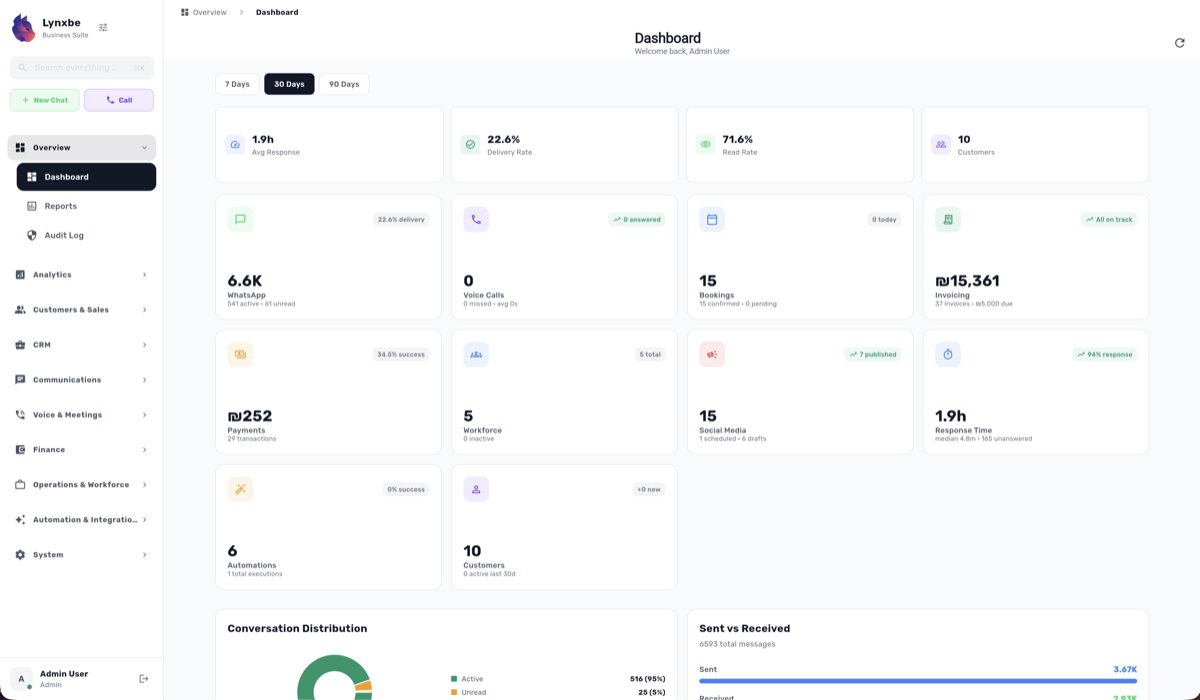
In this ever-evolving landscape, integrated business tools have become indispensable for ensuring compliance and easing the burden of VAT management. Lynxbe, an all-in-one business platform, provides a suite of modules designed to help businesses navigate these changes effectively. With features such as invoicing, CRM, and automated reporting, Lynxbe empowers businesses to streamline their operations and maintain compliance with VAT regulations.
This blog post will explore the latest EU VAT changes, the importance of automation in managing VAT compliance, and how Lynxbe’s invoicing module simplifies VAT calculations. Additionally, we will discuss the integration of invoicing with customer relationship management (CRM) systems for seamless tax reporting, illustrating how business owners can leverage these tools to their advantage.
Overview of the Latest EU VAT Changes and Their Impact on Businesses
The EU has recently implemented changes that significantly impact how VAT is collected and reported. One of the most notable changes is the introduction of the One-Stop Shop (OSS) scheme, which simplifies VAT compliance for e-commerce businesses selling across EU borders. Under this scheme, sellers can register in one EU member state and report VAT for all their sales across the union, rather than registering in each individual country. This is particularly beneficial for small and medium-sized enterprises (SMEs) that may find navigating multiple VAT systems overwhelming.
Additionally, the EU has established new rules regarding the taxation of digital services and goods. As of July 1, 2021, all businesses selling goods or services to EU consumers are required to charge VAT based on the customer’s location. This shift from the seller's country to the buyer's country has necessitated adjustments in pricing strategies and invoicing practices for many businesses.
These VAT changes also extend to distance selling thresholds, which have been abolished in favor of a unified threshold of €10,000 for cross-border sales. This means that once a seller exceeds this threshold, they must apply the VAT rate of the customer's country, further complicating compliance for international sellers.
In summary, the latest VAT changes in the EU introduce new compliance requirements that can be daunting for businesses, particularly those operating in multiple jurisdictions. Understanding these changes is essential for ensuring that businesses remain compliant and avoid potential penalties. This is where integrated business tools, like those offered by Lynxbe, come into play, providing the necessary support to navigate this complex landscape.
The Importance of Automation in Managing VAT Compliance
As the complexity of VAT regulations increases, the need for automation in tax compliance becomes more apparent. Manual processes for tracking VAT rates, calculating taxes, and filing returns are not only time-consuming but also prone to errors. Automation alleviates these challenges by streamlining VAT management, ensuring accurate calculations, and timely submissions.
One significant advantage of utilizing automated systems is the reduction of human error. Automated VAT solutions can quickly adapt to changing regulations and calculate VAT rates based on the latest information. This ensures that businesses remain compliant with the latest laws without having to constantly monitor changes themselves.
Moreover, automation enhances efficiency. By integrating VAT calculations into invoicing and accounting systems, businesses can generate accurate invoices instantly, reducing the time spent on manual data entry and reconciliation. This not only speeds up the invoicing process but also improves cash flow, as businesses can issue invoices and receive payments faster.
Additionally, automated systems can provide real-time insights into VAT liabilities, allowing businesses to make informed decisions about pricing, cash flow management, and financial forecasting. With the capability to analyze data across multiple jurisdictions, businesses can optimize their operations and ensure compliance without sacrificing efficiency.
How Lynxbe’s Invoicing Module Simplifies VAT Calculations
Lynxbe’s invoicing module is a powerful tool designed specifically to address the complexities of VAT compliance. By incorporating automated VAT calculations into its invoicing process, Lynxbe allows businesses to generate tax-compliant invoices with ease. This module not only calculates VAT based on the applicable rates for different jurisdictions but also ensures that invoices are formatted correctly for compliance.
When a business creates an invoice using Lynxbe, the user simply inputs the relevant details, including the customer's location and the nature of the goods or services sold. The invoicing module then automatically applies the correct VAT rate, ensuring accurate calculations without the need for manual intervention. This feature is particularly beneficial for businesses that operate across multiple EU countries, as it takes into account the varying VAT rates and regulations in each jurisdiction.
Furthermore, Lynxbe’s invoicing module provides features such as online payment links and subscription billing, which further streamline the invoicing process. Businesses can issue invoices that include direct payment links, making it easier for customers to settle their bills promptly. This enhanced user experience not only facilitates faster payments but also reduces the administrative burden on businesses.
Another notable feature is the expense tracking capability integrated into the invoicing module. Businesses can easily manage and categorize expenses, ensuring that all relevant costs are accounted for in their VAT calculations. This comprehensive approach to invoicing simplifies the often convoluted task of VAT compliance.
Integrating Invoicing with CRM for Seamless Tax Reporting
In addition to its invoicing capabilities, Lynxbe offers a robust CRM module that can seamlessly integrate with its invoicing system. This integration provides businesses with a holistic view of their sales and customer interactions while simplifying tax reporting processes.
By linking invoicing data with customer relationship management, businesses can easily track sales transactions, monitor customer interactions, and manage deals all in one platform. This unified approach allows for accurate record-keeping and aids in the preparation of VAT returns, as all relevant data is readily available in a single interface.
The integration of invoicing with CRM also enables businesses to categorize and tag transactions according to various criteria, such as customer type, product category, or sales channel. This categorization makes it easier to generate detailed reports for VAT compliance, providing valuable insights into sales performance and tax liabilities.
Furthermore, the activity timeline feature within the CRM allows businesses to track all interactions with customers, from initial inquiries to final payments. This historical data can be invaluable for understanding customer behavior, managing relationships, and ensuring compliance with VAT regulations.
Practical Examples and Real-World Use Cases
To illustrate the practical benefits of using Lynxbe for VAT compliance, consider the case of a small e-commerce business based in the UK that sells digital products across Europe. Prior to implementing Lynxbe, the business faced challenges with VAT compliance, particularly with managing different VAT rates for various EU countries.
After integrating Lynxbe’s invoicing module, the business was able to automate VAT calculations based on the customer's location. This not only ensured compliance but also reduced the time spent on manual invoicing processes. As a result, the business reported a 30% increase in invoicing efficiency and a significant reduction in the time spent on VAT-related tasks.
Another example is a marketing agency operating in multiple EU countries. The agency struggled to keep track of VAT reporting requirements for each jurisdiction, often leading to late submissions and penalties. By utilizing Lynxbe’s integrated CRM and invoicing solution, the agency was able to streamline its operations, ensuring that all invoices were compliant and submitted on time. This integration allowed the agency to focus on its core business activities while maintaining compliance effortlessly.
In the case of a US-based SaaS company selling subscriptions to European customers, compliance with the new EU VAT rules posed a significant challenge. By adopting Lynxbe’s invoicing module, the company could automatically apply the correct VAT rates based on the customer's location. This not only simplified the invoicing process but also provided the company with real-time insights into its VAT liabilities, enabling better cash flow management.
Best Practices and Tips for Navigating VAT Changes
To navigate the complexities of VAT changes effectively, businesses should consider adopting a few best practices. First and foremost, it is essential to stay informed about the latest VAT regulations and changes in each jurisdiction where the business operates. Regularly reviewing updates from tax authorities can help businesses anticipate changes and adjust their processes accordingly.
Utilizing integrated business tools like Lynxbe can greatly enhance compliance efforts. By automating VAT calculations and reporting, businesses can reduce the risk of errors and ensure timely submissions. This not only saves time but also allows businesses to focus on growth rather than administrative tasks.
Additionally, maintaining accurate records is crucial for VAT compliance. Businesses should implement a system for capturing all relevant transaction data, including invoices, receipts, and expense reports. This comprehensive record-keeping will simplify the VAT reporting process and provide valuable insights into financial performance.
Actionable Insights and Takeaways
As the landscape of VAT compliance continues to evolve, businesses must adapt and implement effective strategies. Embracing automation through integrated business tools like Lynxbe can enhance efficiency, reduce the risk of errors, and ensure compliance with the latest regulations.
By leveraging Lynxbe’s invoicing and CRM modules, businesses can streamline their operations, simplify tax reporting, and gain valuable insights into their financial performance. The ability to manage VAT calculations and customer interactions from a single platform empowers businesses to focus on growth while maintaining compliance.
Ultimately, staying proactive in understanding VAT changes and implementing effective tools will position businesses for success in a complex regulatory landscape. The right business solutions can make navigating VAT changes not only manageable but also an opportunity for efficiency and growth.
Conclusion and Call to Action
In conclusion, navigating the recent EU VAT changes requires a proactive approach and the right tools to ensure compliance. Integrated business solutions like Lynxbe empower businesses to automate VAT calculations, streamline invoicing, and maintain accurate records, all while providing valuable insights into financial performance.
For business owners and managers seeking to simplify VAT compliance, exploring Lynxbe’s modules is a vital next step. By leveraging the invoicing and CRM capabilities, businesses can enhance their operational efficiency and remain compliant in a complex regulatory environment.
To learn more about how Lynxbe can help your business navigate VAT changes and improve overall efficiency, visit our modules page at Lynxbe Modules or explore our pricing options at Lynxbe Pricing. Take the essential steps towards a compliant and efficient future today!



Comments
💬 Share your thoughts