Navigating Israeli Tax Changes with Integrated Business Tools
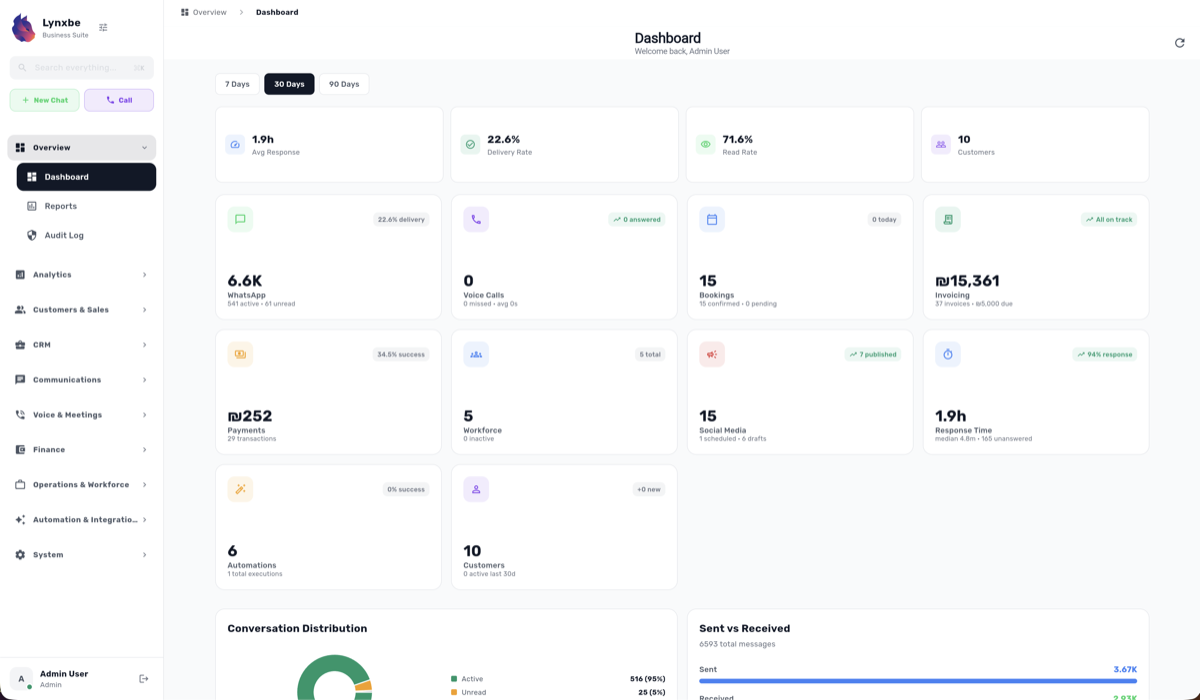
As the Israeli economy continues to evolve, so too do its tax regulations. The recent changes in tax legislation are particularly significant for small and medium-sized businesses (SMBs) operating within the tech ecosystem. For tech professionals, startup founders, and CTOs, understanding these tax changes is crucial not only for compliance but also for ensuring the sustainability and growth of their businesses. This blog post aims to equip you with the knowledge and tools necessary to navigate these changes effectively.
In recent years, the Israeli government has introduced several tax reforms aimed at enhancing revenue while fostering a more business-friendly environment. These reforms can feel overwhelming, especially for smaller enterprises that may lack dedicated financial teams. However, by leveraging integrated business tools, companies can streamline their tax compliance processes and maintain focus on innovation and growth.
With the dynamic nature of technology and the rapid pace of change in legislation, tech professionals must arm themselves with not only the latest tax knowledge but also the right tools to automate and simplify compliance. This blog post will delve into the latest tax regulations impacting SMBs, explore how integrated platforms can simplify compliance, outline steps to automate tax reporting processes, and share real-world examples of businesses that have successfully adapted to these changes.
By the end of this article, you will have actionable insights to navigate the complex landscape of Israeli tax regulations while maximizing the efficiency of your business operations. Let’s dive into the current tax landscape for SMBs in Israel.
Overview of the Latest Tax Regulations Impacting SMBs
In 2023, significant tax reforms were rolled out that directly affect SMBs, especially in the tech sector. One of the most notable changes is the adjustment in corporate tax rates, which now vary based on revenue thresholds. For instance, companies with revenues below a certain level benefit from a reduced corporate tax rate, encouraging growth and investment. Conversely, larger companies face higher rates, which may impact their decision-making regarding expansion and hiring.
Another important change is the introduction of stricter rules surrounding VAT (Value Added Tax) registration and reporting. The Israeli Tax Authority has emphasized the need for more accurate reporting, which means businesses must ensure that their invoicing and accounting systems are capable of handling these requirements. Compliance failures can lead to hefty fines, making it imperative for SMBs to adopt robust accounting solutions.
Moreover, the government has launched incentives for businesses engaging in R&D activities, particularly in the tech sector. These incentives include tax credits and grants for companies that invest in innovative technologies. However, the eligibility criteria can be complex, and businesses must keep meticulous records to substantiate their claims. This necessitates a comprehensive understanding of both the regulations and the tools available for compliance.
How Integrated Platforms Can Simplify Compliance
In the face of evolving tax regulations, integrated business tools have emerged as a vital resource for SMBs. These platforms combine accounting, payroll, and tax compliance functions into a single system, thereby reducing the complexity of managing disparate tools. By integrating these functions, businesses can ensure that their financial data is consistent and up-to-date, which is crucial for accurate tax reporting.
For example, platforms like Sapiens or Taldor offer integrated solutions that cater specifically to the needs of Israeli SMBs. These tools not only facilitate real-time data synchronization but also provide built-in compliance features that automatically update in accordance with the latest tax laws. This minimizes the risk of errors that could arise from manual data entry or outdated systems.
Furthermore, integrated platforms often come with reporting capabilities that allow businesses to generate tax reports with just a few clicks. By streamlining the reporting process, companies can save valuable time and resources, freeing them up to focus on core business activities. Such efficiencies can lead to improved cash flow management and better strategic planning.
Steps to Automate Tax Reporting Processes
Automating tax reporting processes is essential for modern businesses aiming to maintain compliance while optimizing their operations. The first step towards automation is selecting the right integrated business platform that aligns with your company’s needs. Consider factors such as scalability, user-friendliness, and specific features related to tax compliance.
Once an appropriate platform is chosen, the next step is to configure it to meet your business’s unique requirements. This may involve setting up automated invoicing, expense tracking, and payroll systems that adhere to Israeli tax laws. It’s crucial to ensure that all relevant financial data is accurately captured, as this will be essential for generating reliable tax reports.
Another key aspect of automation is the implementation of tax calculation features. Most integrated platforms offer real-time tax calculation based on the latest rates and regulations. By automating this process, businesses can reduce errors and ensure compliance without the need for constant manual oversight.
Additionally, regular training for employees on how to effectively use these platforms is vital. Investing in training ensures that team members are equipped to utilize the tools fully, maximizing their potential for improving compliance and operational efficiency.
# Example of automated tax calculation function

def calculate_tax(income, tax_rate):
    """Calculate the tax based on income and tax rate."""
    return income * tax_rate

# Example usage
income = 100000  # Example income
tax_rate = 0.25  # Example tax rate (25%)
tax_due = calculate_tax(income, tax_rate)

print(f'Tax Due: {tax_due}')  # Output the tax amount
Real-World Examples of Businesses Adapting Successfully
To illustrate the impact of integrated business tools on tax compliance, let’s explore a few real-world examples from the Israeli tech scene. One notable case is a Tel Aviv-based startup, CyberTech, which specializes in cybersecurity solutions. Previously, CyberTech faced challenges with tax compliance due to rapid growth and frequent changes in regulations.
After implementing an integrated business platform, CyberTech streamlined its tax reporting processes. The new system allowed them to automatically calculate VAT and corporate taxes, leading to a significant reduction in compliance-related errors. As a result, the company not only saved time but also avoided costly fines, ultimately freeing up resources for further product development.
Another example is a SaaS company, DataWise, which experienced difficulties managing its financial data across multiple systems. By transitioning to an integrated platform, they were able to centralize their operations, which included invoicing, payment processing, and tax reporting. This integration facilitated a seamless flow of information, enabling DataWise to respond swiftly to tax inquiries from the Israeli Tax Authority.
Additionally, a small e-commerce business, EcoGoods, leveraged automation in their tax reporting processes. With an integrated platform, they set up automated tax calculations based on their sales data, which not only simplified compliance but also improved cash flow forecasting. This allowed EcoGoods to focus more on their marketing strategies and customer engagement.
Best Practices and Tips
To maximize the benefits of integrated business tools for tax compliance, businesses should adopt several best practices. First, it’s essential to maintain accurate and up-to-date financial records. Regular audits and reconciliations can help identify discrepancies early, ensuring that your tax reporting is based on reliable data.
Second, businesses should stay informed about tax law changes. Subscribing to newsletters from the Israeli Tax Authority or engaging with local tax advisors can provide valuable insights into upcoming changes that may impact your operations. Staying ahead of the curve allows businesses to adapt their strategies proactively.
Finally, fostering a culture of compliance within your organization is crucial. Ensure that all employees understand the importance of accurate financial reporting and are aware of their responsibilities. Regular training sessions can help reinforce this culture and equip your team with the knowledge needed to navigate complex tax regulations.
Actionable Insights and Takeaways
In summary, the recent tax changes in Israel present both challenges and opportunities for SMBs in the tech sector. By leveraging integrated business tools, companies can simplify compliance and mitigate risks associated with tax reporting. The automation of tax processes not only saves time but also enhances accuracy, allowing businesses to focus on their core operations.
As seen through the examples of CyberTech, DataWise, and EcoGoods, successful adaptation to tax regulations is possible with the right strategies and tools. By implementing best practices, staying informed about regulatory changes, and fostering a culture of compliance, businesses can navigate the tax landscape with confidence.
As we move forward, it is essential for tech professionals and startup founders in Israel to remain vigilant and proactive in their approach to tax compliance. The right integrated solutions can make a significant difference in your business’s ability to thrive in a competitive market.
Conclusion with Call to Action
In conclusion, navigating the complexities of Israeli tax regulations can be daunting, but it is a necessary aspect of running a successful business. By utilizing integrated business tools, automating tax processes, and following best practices, you can ensure compliance while focusing on growth and innovation.
We encourage you to evaluate your current tax compliance strategies and consider how integrated solutions may enhance your operations. Take the first step today by exploring the various platforms available and engaging with tax professionals who can guide you through this journey.
Let’s embrace the future of business in Israel by turning challenges into opportunities. Together, we can build a more compliant and prosperous tech ecosystem.





Comments
💬 Share your thoughts