Navigating US Sales Tax Compliance in 2026: A Complete Guide

The intricate landscape of sales tax compliance in the United States is evolving rapidly, especially as we approach 2026. With numerous changes in regulations and enforcement practices, business owners are faced with the daunting task of keeping their operations compliant. The complexities of managing sales tax can be overwhelming, particularly for small to medium-sized businesses that may not have the resources or expertise to navigate this labyrinth effectively.
As the digital marketplace continues to flourish at an unprecedented pace, understanding how to navigate the nuances of US sales tax compliance has never been more critical. This comprehensive guide aims to demystify the current sales tax landscape, offering practical steps to ensure compliance and detailing the tools available to streamline the process. By the end of this post, you will be equipped with the knowledge to manage your business's sales tax obligations effectively and efficiently.
In 2026, the stakes are higher, and the consequences for non-compliance are more severe than ever. Business owners must stay informed about the latest changes in sales tax regulations, implement solid compliance procedures, and leverage cutting-edge automation tools to manage calculations and reporting. With platforms like Lynxbe offering built-in features for invoicing and tax compliance, the path to compliance can be significantly simplified, freeing up your time to focus on what matters: growing your business.
This guide will cover the recent changes in US sales tax regulations, practical steps for compliance, the benefits of automation tools, and how Lynxbe enhances invoicing and tax compliance. Let’s dive in!
In recent years, sales tax regulations in the United States have seen significant changes driven largely by the expansion of e-commerce. The landmark Supreme Court case, South Dakota v. Wayfair, Inc., in 2018, fundamentally changed the way sales tax is collected for online sales. Before this ruling, states could only require sales tax collection from sellers with a physical presence in the state. Now, states can impose tax obligations based on economic nexus, which means that if a business exceeds certain thresholds—such as sales revenue or transaction volume in a state—it must collect and remit sales tax.
As of 2026, many states have implemented varying thresholds, with some states requiring compliance with as little as $100,000 in sales or 200 transactions annually. This has led to confusion among business owners, especially those operating across state lines. Additionally, states are increasingly implementing more complex tax structures that differentiate between goods and services, necessitating a deeper understanding of local tax laws. Each state has its own rules regarding exemptions, tax rates, and filing requirements, making it crucial for businesses to stay informed and compliant.
To ensure compliance in this evolving landscape, business owners should take several proactive steps. First and foremost, understanding where your business has nexus is vital. This could be based on physical presence, economic activity, or even remote employee locations. Mapping out where you are required to collect sales tax will help you focus your compliance efforts effectively.
Once you've established where you have nexus, the next step is to familiarize yourself with the specific sales tax rates and regulations in those states. This involves researching the local tax laws, including any exemptions that may apply to your products or services. Maintaining accurate records of all transactions and tax collected is essential for compliance and can aid in future audits.
Another critical step is to implement a robust sales tax calculation process. This can be done manually, but as the volume of transactions grows, this method becomes increasingly impractical. Businesses should consider investing in sales tax automation tools that calculate the correct tax rates at the point of sale, reducing the risk of errors and ensuring compliance.
Automation tools are a game changer for sales tax management. They can streamline the calculation, reporting, and remittance processes, allowing business owners to focus on other critical aspects of their operations. Various solutions on the market can integrate with your existing accounting or e-commerce platforms, simplifying the management of sales tax compliance.
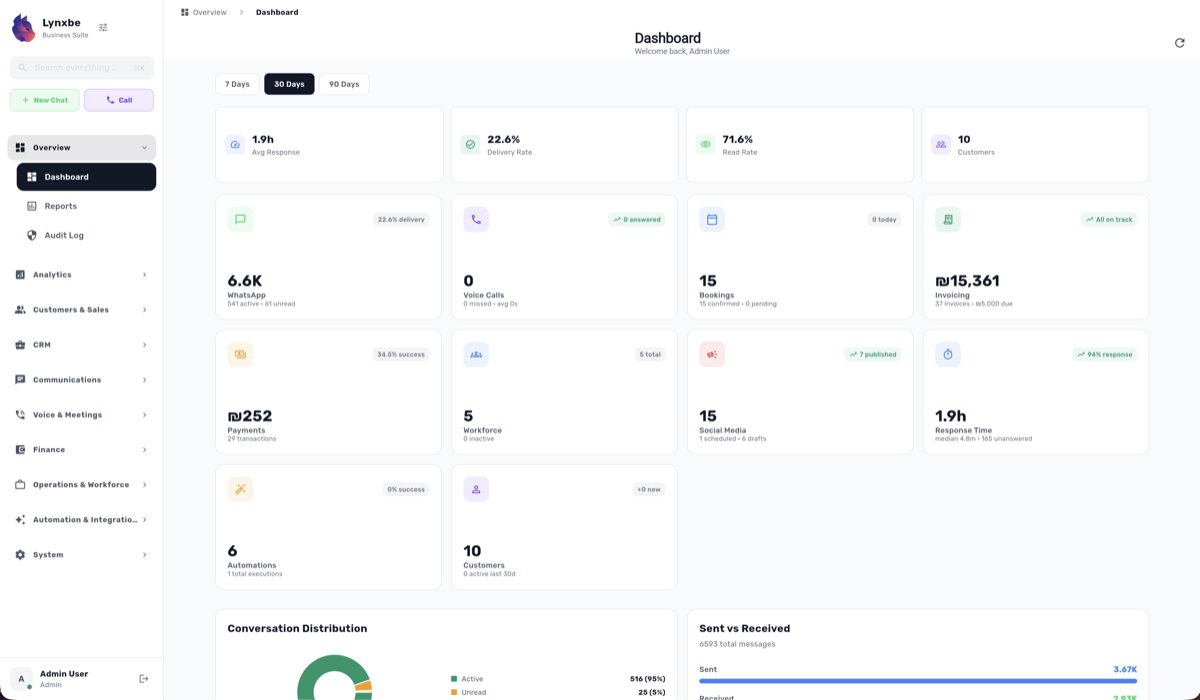
Lynxbe is one such platform that offers a comprehensive suite of features designed to simplify invoicing and tax compliance. With its robust invoicing module, businesses can easily issue tax invoices and receipts, accept customer payments, and track expenses. This ensures that your business remains compliant while providing a seamless experience for your customers.
Furthermore, Lynxbe's built-in analytics tools offer valuable insights into revenue and usage trends, allowing you to make informed decisions regarding your sales tax obligations. By consolidating multiple business functions into one platform, Lynxbe eliminates the need for disparate systems, reducing the likelihood of errors and promoting overall efficiency.
Let’s explore how to solve sales tax compliance challenges using the Lynxbe modules step by step.
Step-by-Step: Solving Sales Tax Compliance with Lynxbe
First, utilize the Invoicing & Payments module to issue accurate invoices that reflect the correct sales tax based on the customer’s location. This module allows you to create tax invoices that comply with the various sales tax regulations across states, ensuring that you are collecting the right amount of tax from the outset.
Next, take advantage of Lynxbe’s online payment links to facilitate seamless transactions. By integrating tax compliance features directly into your payment processes, you minimize the risk of errors and reduce the time spent managing payments.
Additionally, use the expense tracking feature to monitor all expenses related to sales tax compliance. This can include costs related to software, training, or consulting services, ensuring you have a clear picture of your total compliance costs.
Finally, leverage the analytics tools within Lynxbe to monitor your revenue and growth trends. These insights are invaluable for understanding how changes in your sales tax obligations may impact your business and can help you strategize accordingly.
Real-world businesses across the US and Europe are already reaping the benefits of improved sales tax compliance and efficiency through automation. For example, a small e-commerce retailer in California faced challenges with managing varying state tax rates, resulting in significant compliance issues. After implementing a sales tax automation tool, they were able to accurately calculate taxes at the point of sale, reducing the risk of audits and penalties.
Similarly, a UK-based software company that expanded into the US market found navigating sales tax compliance overwhelming. By utilizing Lynxbe's invoicing and analytics features, they streamlined their compliance processes, allowing them to focus on growth instead of being bogged down by regulatory requirements.
In another case, a European manufacturer selling goods online in multiple states managed to reduce their compliance costs by integrating Lynxbe into their systems. The comprehensive analytics dashboard provided them with insights into sales patterns and tax obligations, enabling them to make strategic decisions about their operations.
For businesses looking to remain compliant and efficient in their operations, best practices include regularly reviewing and updating your knowledge of state sales tax laws and utilizing technology to automate compliance processes. Consistently training staff on compliance issues and maintaining accurate records will also help fortify your compliance efforts.
Additionally, consider engaging with a tax professional or consultant who specializes in sales tax compliance. They can provide tailored advice based on your specific business circumstances, ensuring you are fully compliant and aware of any upcoming changes in regulations.
As we move towards 2026, the sales tax landscape will continue to evolve. Businesses must remain proactive and adaptable to stay compliant and thrive in this changing environment. By leveraging tools like Lynxbe for invoicing, payments, and analytics, you can simplify your compliance processes and focus on growing your business.
In summary, navigating US sales tax compliance in 2026 requires a comprehensive understanding of the current regulations and a strategic approach to managing your obligations. By utilizing automation tools and platforms like Lynxbe, you can streamline your processes and reduce the risk of errors, allowing you to focus on driving growth.
Take control of your sales tax compliance today. Explore the various modules of Lynxbe that can simplify invoicing and payments while ensuring you remain compliant with tax regulations. For further details, check out the modules at Lynxbe Platform Modules or view our pricing plans at Lynxbe Pricing.




Comments
💬 Share your thoughts