Smart Agriculture: How Israeli Tech is Feeding the Future
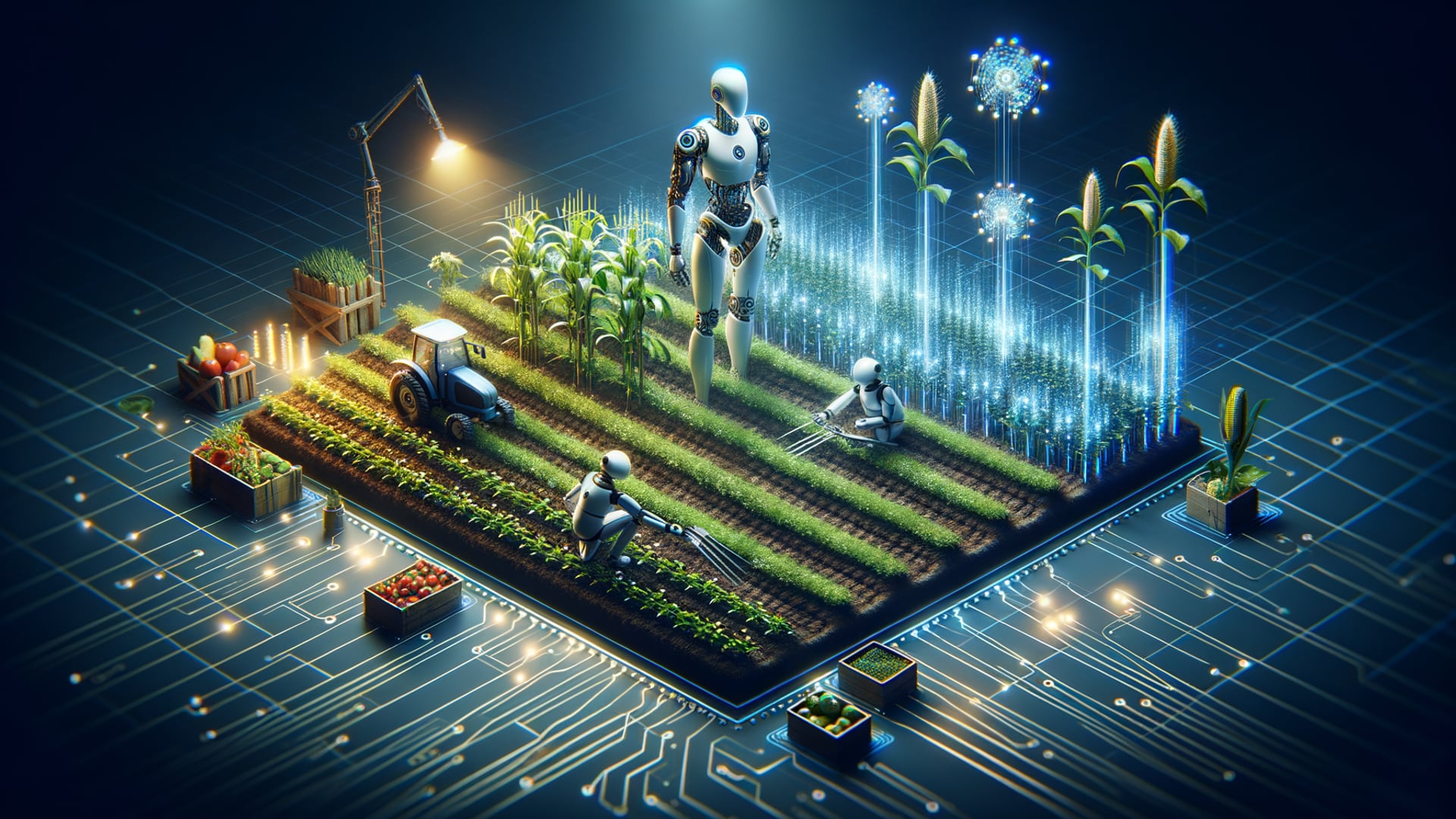
As the global population continues to rise, the need for innovative agricultural solutions has never been more pressing. This challenge is especially significant in regions where arable land is limited and water scarcity is a constant concern. Enter Israel, a country known for its pioneering spirit and technological advancements, particularly in the field of agriculture. Israeli agri-tech companies are at the forefront of developing smart agriculture solutions that promise to revolutionize how we grow food, conserve resources, and ensure sustainability.
The term “smart agriculture” refers to the integration of technology into farming practices to enhance productivity, efficiency, and sustainability. With its unique geographic and climatic challenges, Israel has become a hotbed for agri-tech innovation. From precision farming to vertical gardens, Israeli startups are leveraging advanced technologies such as IoT, AI, and big data analytics to redefine agriculture in an increasingly resource-constrained world.
In this blog post, we will explore the various innovative agri-tech solutions emerging from Israel, examine their impact on crop yield and sustainability, highlight real-world case studies from leading Israeli agri-tech companies, and provide actionable insights for farmers and stakeholders looking to adopt these technologies. Whether you are a tech professional, a startup founder, or a CTO in the agricultural sector, this comprehensive exploration will equip you with the knowledge to navigate the future of farming.
To truly appreciate the magnitude of Israel's contribution to smart agriculture, it is essential to delve into some of the innovative solutions that have emerged from this vibrant ecosystem. Technologies such as drip irrigation, which was developed in Israel, have transformed traditional farming practices. This method delivers water directly to the plant roots, minimizing evaporation and runoff, thus conserving precious water resources. Today, Israeli companies are building upon this legacy by incorporating cutting-edge technologies like sensors and automation into their irrigation systems.
One of the most exciting developments in Israeli agri-tech is the rise of precision agriculture. Utilizing data analytics and IoT devices, farmers can monitor soil moisture, weather conditions, and crop health in real-time. This data-driven approach allows for informed decision-making, reducing waste and optimizing resource use. For instance, companies like CropX have created soil sensors that provide insights on how much water and nutrients crops need, making it easier for farmers to deliver precise amounts of inputs to their fields.
Another significant innovation is vertical farming, which involves cultivating crops in vertically stacked layers. Given Israel's limited land availability, vertical farming represents a sustainable solution that maximizes space while minimizing water usage. Companies like Urban Crop Solutions are leading the charge with their automated vertical farming systems, which utilize hydroponics and controlled environment agriculture to produce high yields year-round. This method not only conserves water but also reduces the carbon footprint associated with transporting food over long distances.
Moreover, the integration of artificial intelligence in agriculture is transforming how farmers manage their operations. AI-powered tools can analyze vast amounts of data, identifying patterns and providing actionable insights to improve crop management. For instance, companies like Taranis use AI to analyze aerial imagery of fields, detecting crop diseases and pests early on. This proactive approach allows farmers to respond quickly, minimizing losses and ensuring healthier crops.
To illustrate the impact of these technologies, let's take a closer look at some successful case studies from Israeli agri-tech companies. One remarkable example is N-Drip, which has developed a revolutionary drip irrigation system that operates without the need for electricity or pumps. Their technology is particularly beneficial for smallholder farmers in developing regions where access to power is limited. By utilizing gravity to deliver water, N-Drip's system reduces operational costs and improves water efficiency, allowing farmers to cultivate crops in previously arid areas.
Another notable company is Netafim, a pioneer in drip irrigation technology. Netafim has expanded its offerings to include smart irrigation solutions that use real-time data to optimize water usage. Their systems are equipped with sensors and software that analyze environmental conditions, allowing farmers to adjust irrigation schedules based on actual crop needs. This not only enhances crop yield but also conserves water, contributing to environmental sustainability.
In the realm of livestock management, the company AfiMilk is making waves with its advanced monitoring solutions. AfiMilk's software and sensors track the health and productivity of dairy cows, providing farmers with insights to improve herd management. By analyzing data on milk production, feed intake, and animal health, farmers can make informed decisions that enhance efficiency and animal welfare.
For those considering the adoption of agri-tech solutions, it is essential to take a strategic approach. First and foremost, farmers should assess their specific needs and challenges. Identifying pain points, such as water scarcity or pest management, will help in selecting the most appropriate technologies that align with their goals.
Next, investment in training and education is crucial. Implementing new technologies often requires a shift in mindset and practices. Providing training sessions for farmers and staff on how to use these tools effectively will ensure a smoother transition and maximize the benefits of the technology.
Collaboration with agri-tech companies can also provide valuable insights and support. Many Israeli startups are open to partnerships and pilot programs with farmers. This not only allows farmers to test new solutions in their fields but also provides startups with practical feedback to refine their products.
Additionally, it is vital to stay informed about the latest developments in agri-tech. The field is evolving rapidly, with new innovations emerging regularly. By attending industry conferences, networking with peers, and following agri-tech publications, farmers can stay abreast of the latest trends and technologies that can enhance their operations.
As we consider the future of agriculture in Israel and beyond, it is essential to recognize the impact of technology on crop yield and sustainability. The combination of innovative solutions, data-driven decision-making, and sustainable practices can help address the pressing challenges posed by a growing global population and environmental concerns.
Furthermore, the adoption of agri-tech can lead to a more resilient food system. By leveraging technology, farmers can better withstand the impacts of climate change, ensure food security, and contribute to global sustainability efforts. As Israeli agri-tech continues to flourish, the potential for feeding the future is limitless.
In summary, smart agriculture is redefining the way we produce food, and Israel is leading the charge with its innovative agri-tech solutions. From precision farming to vertical gardens, the advancements in technology are helping farmers increase productivity while conserving valuable resources. By learning from successful case studies and implementing best practices, farmers can effectively navigate the complexities of modern agriculture.
As we conclude this exploration of smart agriculture, it is clear that embracing technology is no longer an option but a necessity for farmers looking to thrive in today's competitive landscape. The journey toward a sustainable and efficient agricultural future is underway, and Israeli agri-tech companies are at the forefront of this transformation.
For tech professionals, developers, and startup founders in Israel, the agri-tech sector presents a wealth of opportunities. By investing in innovative solutions and collaborating with farmers, you can contribute to the evolution of agriculture and make a lasting impact on food security and sustainability. The future of farming is bright, and it is time to seize the moment.






Comments
💬 Share your thoughts