Understanding New Israeli Tax Regulations for Digital Payments
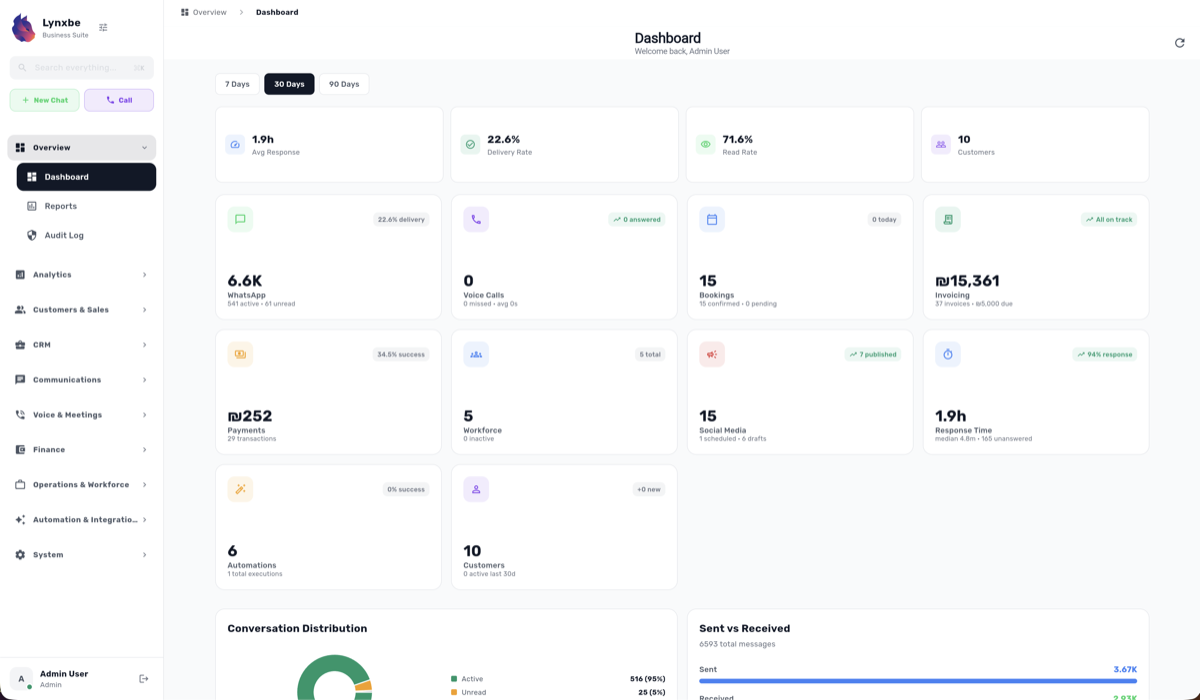
As the digital economy continues to flourish, Israel has taken significant steps to regulate digital payments more effectively. For tech professionals, developers, and startup founders, understanding the new tax regulations is crucial to ensure compliance and maintain operational efficiency. The Israeli tax authority's recent updates reflect a growing focus on transparency and accountability in digital transactions, making it essential for businesses to adapt swiftly.
The new tax regulations introduce specific guidelines surrounding digital payment processing and invoicing. By setting clear deadlines for compliance and laying out the consequences of non-adherence, the Israeli government aims to foster a more stable economic environment. As such, tech professionals must navigate these changes to not only comply with legal requirements but also protect their businesses from potential penalties.
In this blog post, we will explore the new tax regulations surrounding digital payments in Israel, delve into their impact on payment processing and invoicing, and offer practical tips for compliance. Additionally, we will look at real-world use cases from the Israeli tech scene, discussing how some companies are adapting to these regulations effectively. Ultimately, our goal is to equip you with actionable insights that can help your business thrive in this ever-evolving landscape.
Overview of New Tax Regulations and Deadlines
The new tax regulations introduced by the Israeli tax authority primarily focus on digital payment platforms, such as e-commerce sites, mobile payment apps, and fintech services. These regulations mandate that all digital payments be reported to the tax authority in a timely manner, ensuring that the government can track revenue streams accurately. This is a significant change from previous regulations, which were less stringent regarding the documentation and reporting of digital transactions.
One of the key components of the new regulations is the requirement for businesses to provide detailed invoices for all digital transactions. These invoices must include specific information, such as the payer's identification number, the nature of the transaction, and the applicable tax rates. Additionally, businesses are required to submit their sales reports electronically and within a specified timeframe, typically on a monthly or quarterly basis, depending on their revenue scale.
Failure to comply with these new regulations can lead to severe penalties, including fines and interest on unpaid taxes. Therefore, businesses must familiarize themselves with the new deadlines and requirements to avoid any potential disruptions to their operations. It's advisable for companies to establish a compliance calendar to keep track of these deadlines and ensure that all necessary documentation is submitted on time.
Impact on Digital Payment Processing and Invoicing
The implications of these new tax regulations on digital payment processing are profound. Businesses must now integrate tax compliance into their existing payment systems, which may require significant adjustments to their software and workflows. For instance, payment processors will need to ensure that they can generate the required invoices automatically, including all necessary details such as tax identification numbers and itemized charges.
This change will likely necessitate updates to both front-end and back-end systems. For tech startups, this could mean revising their payment gateway solutions to accommodate new invoicing requirements. For established firms, it may involve implementing new software solutions or upgrading existing systems to ensure compliance. The operational burden of these updates should not be underestimated, and companies may need to allocate additional resources to facilitate a smooth transition.
Furthermore, the new regulations may also impact customer experience. As businesses adapt their payment processing systems, customers could encounter delays or complications during transactions. It is vital for companies to communicate these changes clearly to their customers, ensuring they understand the reasons behind any adjustments to the payment process. Proactive communication can help mitigate customer frustration and maintain trust during this transition period.
Practical Tips for Compliance Without Disrupting Operations
To navigate the new tax regulations without disrupting daily operations, businesses should adopt a strategic approach. First and foremost, conducting a thorough audit of existing payment systems is essential. This audit will help identify gaps in compliance and highlight areas where upgrades are necessary. By understanding the current state of your payment processing infrastructure, you can create a roadmap for making the required changes.
Next, consider leveraging technology to automate compliance processes. Many software solutions are available that can streamline invoicing and reporting tasks, ensuring that all required information is captured accurately and submitted on time. By automating these processes, businesses can reduce the risk of human error while freeing up valuable resources to focus on core operations.
Moreover, investing in employee training is crucial. Ensure that your team is well-versed in the new regulations and understands how to implement them in daily operations. Hosting workshops or training sessions can empower your staff to take ownership of compliance tasks and foster a culture of accountability within the organization.
Resource List for Further Reading and Consultations
Staying informed about the latest tax regulations is vital for maintaining compliance. Here are some resources that can help you further your understanding of the new Israeli tax laws regarding digital payments:
- Israeli Tax Authority Official Website
- Israel Business Portal - Taxation Section
- Tax Insights Blog by Leading Tax Experts
- Fintech Israel - Industry News and Updates
- LinkedIn Groups for Tax Professionals
Real-World Use Cases from the Israeli Tech Scene
To illustrate how Israeli companies are coping with these new tax regulations, let's examine a few real-world use cases. One startup that has navigated this transition effectively is Payoneer, a global payment platform headquartered in Israel. Payoneer has proactively updated its invoicing system to comply with the new regulations, ensuring that all digital transactions are documented correctly and submitted in a timely manner.
By investing in software upgrades and employee training, Payoneer has minimized disruptions to its operations while maintaining high customer satisfaction levels. This proactive approach not only protects Payoneer from potential penalties but also positions the company as a leader in compliance within the fintech industry.
Another example is Wix, an Israeli website development platform. Wix incorporated tax compliance features into its payment processing system, allowing users to generate compliant invoices automatically. This innovation not only simplifies the compliance process for Wix but also enhances the overall user experience for its customers, who can now transact with confidence knowing that they are adhering to tax regulations.
Similarly, an emerging fintech startup, BlueVine, has taken a unique approach to ensure compliance. BlueVine has developed an integrated solution that combines invoicing, accounting, and payment processing, allowing small business owners to manage their finances seamlessly. By offering an all-in-one platform, they have mitigated the need for businesses to juggle multiple systems while ensuring that all tax-related tasks are handled efficiently.
Best Practices and Tips
As companies adapt to these new regulations, implementing best practices can help streamline the compliance process. First, consider establishing a dedicated compliance team responsible for monitoring changes in tax regulations and ensuring that your business remains compliant. This team can also serve as a point of contact for any questions or concerns regarding compliance.
Additionally, engage with tax professionals or consultants who specialize in digital payments and tax regulations. Their expertise can provide valuable insights into best practices and help your business navigate complex compliance issues. Furthermore, regular consultations can keep your team informed about upcoming changes, ensuring that your business is always ahead of the curve.
Finally, maintain an open line of communication with stakeholders, including customers and partners. Transparency about your compliance efforts can build trust and confidence in your brand. By sharing information about how you are adapting to these regulations, you can enhance your reputation and strengthen relationships within your industry.
Actionable Insights and Takeaways
In summary, the recent changes to Israeli tax regulations surrounding digital payments present both challenges and opportunities for tech professionals. By understanding the new requirements, businesses can adapt their operations to ensure compliance while enhancing their overall efficiency. The integration of technology and automation into payment processing systems can streamline compliance efforts, reducing the burden on staff and minimizing the risk of errors.
Furthermore, investing in employee training and fostering a culture of accountability can empower teams to take ownership of compliance tasks. By leveraging resources and engaging with industry experts, companies can stay informed about the latest developments in tax regulations and adapt accordingly. Embracing these changes not only positions your business for success but also establishes a strong foundation for future growth.
Conclusion with Call to Action
As Israeli businesses navigate the evolving landscape of digital payments and tax regulations, staying informed and proactive is crucial. The new tax regulations may seem daunting at first, but with the right approach and resources, compliance can be achieved without disrupting operations. Now is the time to take action—conduct an audit of your payment systems, invest in technology, and engage with experts to ensure your business is prepared.
By adapting to these regulations today, you not only safeguard your business from potential penalties but also position yourself as a leader in compliance within the tech industry. Let's embrace this challenge and turn it into an opportunity for growth and innovation. For more insights, resources, and discussions on this topic, feel free to reach out to us at Lynxbe, where we are committed to helping Israeli tech professionals succeed in the digital economy.


Comments
💬 Share your thoughts