Comparison of Payment Platforms for Businesses in Israel: Payoneer vs. PayPal
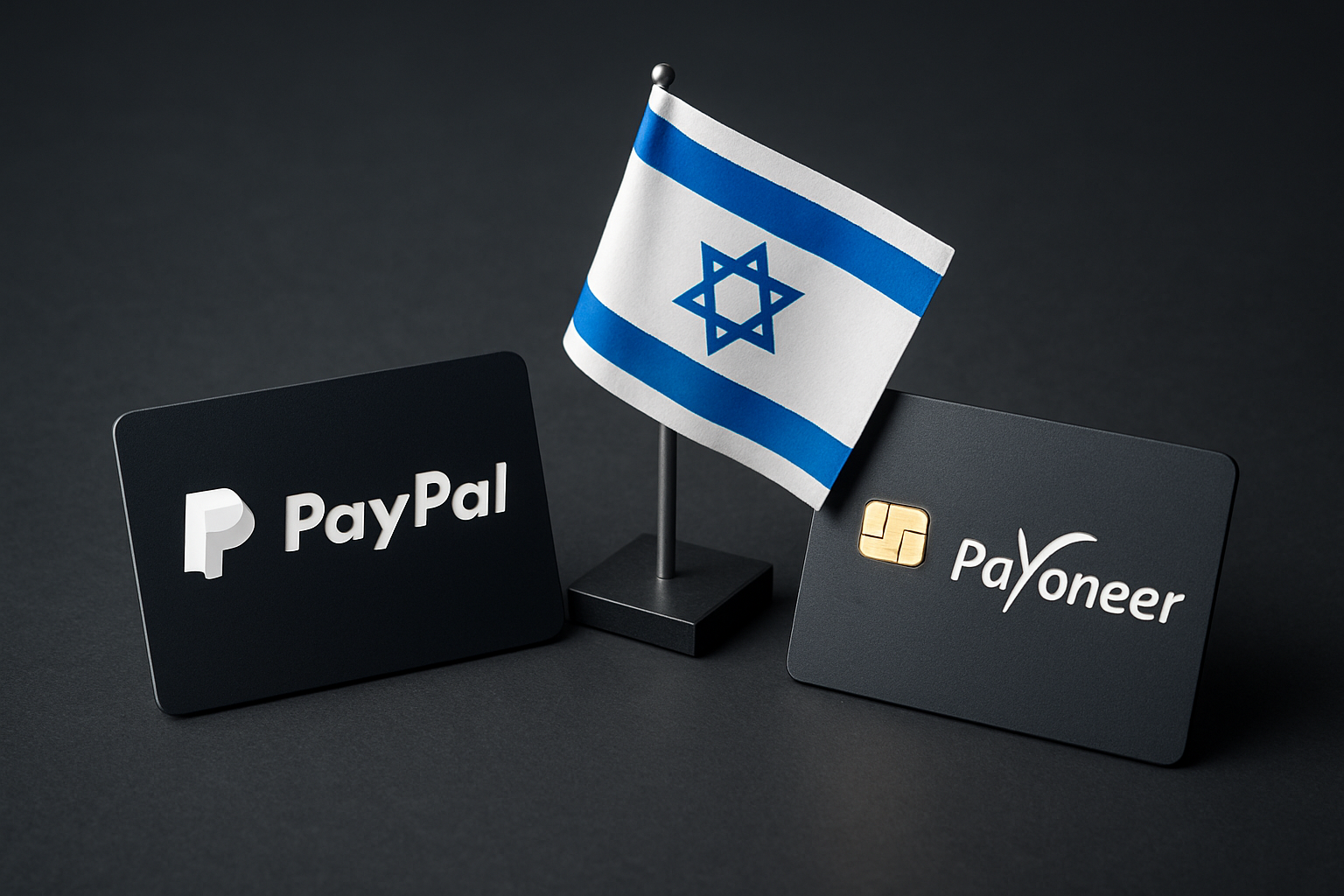
In today's digital age, Israeli businesses face new challenges regarding online payments. Platforms like Payoneer and PayPal have become an integral part of the business process. Over the past decade, Israel has made significant strides in the field of digital finance, particularly in payments. The choice between these platforms can be critical to your business's success, affecting payment processes, costs, ease of use, and even customer experience.
This article offers an in-depth comparison between Payoneer and PayPal, including the advantages and disadvantages of each platform, usage methods, payment process costs, recommendations for platforms based on business types, practical examples, real-life cases, and best practices. If you are a business owner, developer, or entrepreneur, this information may be crucial for your future decisions.
Let's take a moment to discuss the process of using payment platforms. Each platform offers a wide range of tools and features that can cater to different business needs. A detailed analysis of each platform will help you understand which one is more suitable for your needs. So let's get started.
Advantages and Disadvantages of Payoneer and PayPal
Payoneer and PayPal are two of the most popular platforms for online payments, but each offers different advantages and disadvantages.
Payoneer is a payment platform designed for businesses and freelancers. Its standout advantage is the ability to receive payments from a wide range of countries, both by transferring funds to an Israeli bank account and by receiving a prepaid card. Additionally, Payoneer offers particularly competitive fees for currency conversion, making it attractive for businesses dealing with clients abroad.
On the other hand, PayPal is a well-known and highly reliable payment platform, with a user-friendly and intuitive interface. Its significant advantage is the ability to make payments instantly, which makes it easier for businesses to manage their cash flow. Furthermore, PayPal offers additional services such as buyer and seller protection, which enhances user confidence.
However, PayPal charges relatively higher fees for international transactions, which may make it less attractive for small businesses or startups. Additionally, customers may experience glitches or delays in certain cases, which can affect the customer experience.
Usage Methods and Simple Setup for Each Platform
To start using Payoneer, you need to register on their website and provide personal information such as your name, address, phone number, and bank account details. After that, you can receive a Payoneer card that allows you to withdraw funds anywhere in the world. The process is relatively simple and takes a few minutes.
Additionally, Payoneer offers the option to connect to accounts on platforms like Fiverr, Upwork, and Amazon, so you can receive payments directly from these accounts. The setup process is intuitive and includes several simple steps.
In contrast, using PayPal is easier and more accessible. After registration, you can link your credit card or bank account and make payments instantly. PayPal also offers a convenient mobile app, so you can manage your account from anywhere at any time.
In this context, it's important to note that PayPal also offers a "Business Account" setup process, which allows businesses to manage their finances more professionally, including the ability to issue receipts and manage customer invoices.
Cost of the Payment Process on Each Platform
Regarding costs, there is a significant difference between Payoneer and PayPal. With Payoneer, the fees for currency conversion are relatively low, but attention should be paid to the fees for withdrawing funds. For example, withdrawing funds from a Payoneer account to an Israeli bank account incurs a fee of about 1% of the transferred amount.
On the other hand, PayPal charges higher fees, especially for international transactions. Fees can reach up to 4.4% of the transferred amount, depending on the country and currency. Additionally, PayPal also charges fees for currency conversion, which can be an additional burden on businesses.
Of course, every business needs to do a precise calculation of costs based on its cash flow and choose the platform that best suits it. For this purpose, it's advisable to check the terms and conditions of each platform and ensure that the fees align with your needs.
Recommendations for Platforms Based on Business Types
When it comes to choosing a payment platform, you should consider your business type. If you are a small business owner or a startup focusing on the local market, PayPal may be the right choice for you. The advantage is that your customers are already familiar with the system, making it easier for them to make purchases.
If you are involved in import or export, Payoneer may be a better choice. With lower fees for currency conversion and the ability to receive payments from a wide range of countries, it is particularly suitable for businesses conducting international transactions.
Additionally, businesses based on freelancers, such as graphic designers or developers, can benefit from the services of Payoneer, which allows connections to work platforms like Fiverr and Upwork. On the other hand, if you are engaged in e-commerce, PayPal offers advanced solutions like fast payments and buyer protection.
Real-Life Cases: Examples from the Israeli Tech Scene
When examining the tech scene in Israel, many examples can be found of the use of different payment platforms. For instance, Wix, one of the leading website building companies, uses PayPal to allow its customers to make payments quickly and easily.
Conversely, Fiverr, a freelance work platform, uses Payoneer to enable ninety thousand freelancers worldwide to receive payments easily and quickly. The Payoneer system allows them to withdraw funds to local bank accounts, helping them manage their finances conveniently.
Another example is Lemonade, a digital insurance company, which chose PayPal as part of its interface to offer customers a fast and convenient payment process. Choosing PayPal not only provided customers with an improved shopping experience but also allowed the company to manage its cash flow optimally.
Best Practices
To maximize the use of payment platforms, there are several best practices worth adopting. First, it is advisable to monitor fees and calculate payment costs to ensure you are getting the best deal.
Second, it is beneficial to utilize all the tools that the platforms offer, such as financial reports and management systems. This can help you gain insights into your cash flow and manage your finances better.
Finally, it's important to check the customer service options offered by the platforms. Good support can be critical in case of glitches or payment issues.
Insights and Conclusions
Choosing a payment platform is a significant decision that can impact your business's success. Payoneer and PayPal offer different advantages and disadvantages, so you should make your choice based on your business's specific needs.
If you're interested in managing international payments, Payoneer may be the right choice. Conversely, if you want a fast and easy payment process for your customers, PayPal may be the ideal solution.
As we've seen, there are many real-life examples from Israel that illustrate the impact of these platforms on businesses. It's essential to make the right choice, stay updated on market changes, and utilize the tools that the platforms offer to succeed.
Conclusion with a Call to Action
If you are running a business in Israel, consider the options of Payoneer and PayPal and evaluate your needs. Experiment with both platforms to understand which one suits you best and what advantages you can gain from them.
Remember, your success also depends on the choices you make in the payment domain. Don't hesitate to try and explore different options to find the ideal solution for your business. Good luck!



Comments
💬 Share your thoughts