Comparison of Payment Solutions: PayPal vs. Payoneer for Israeli Businesses
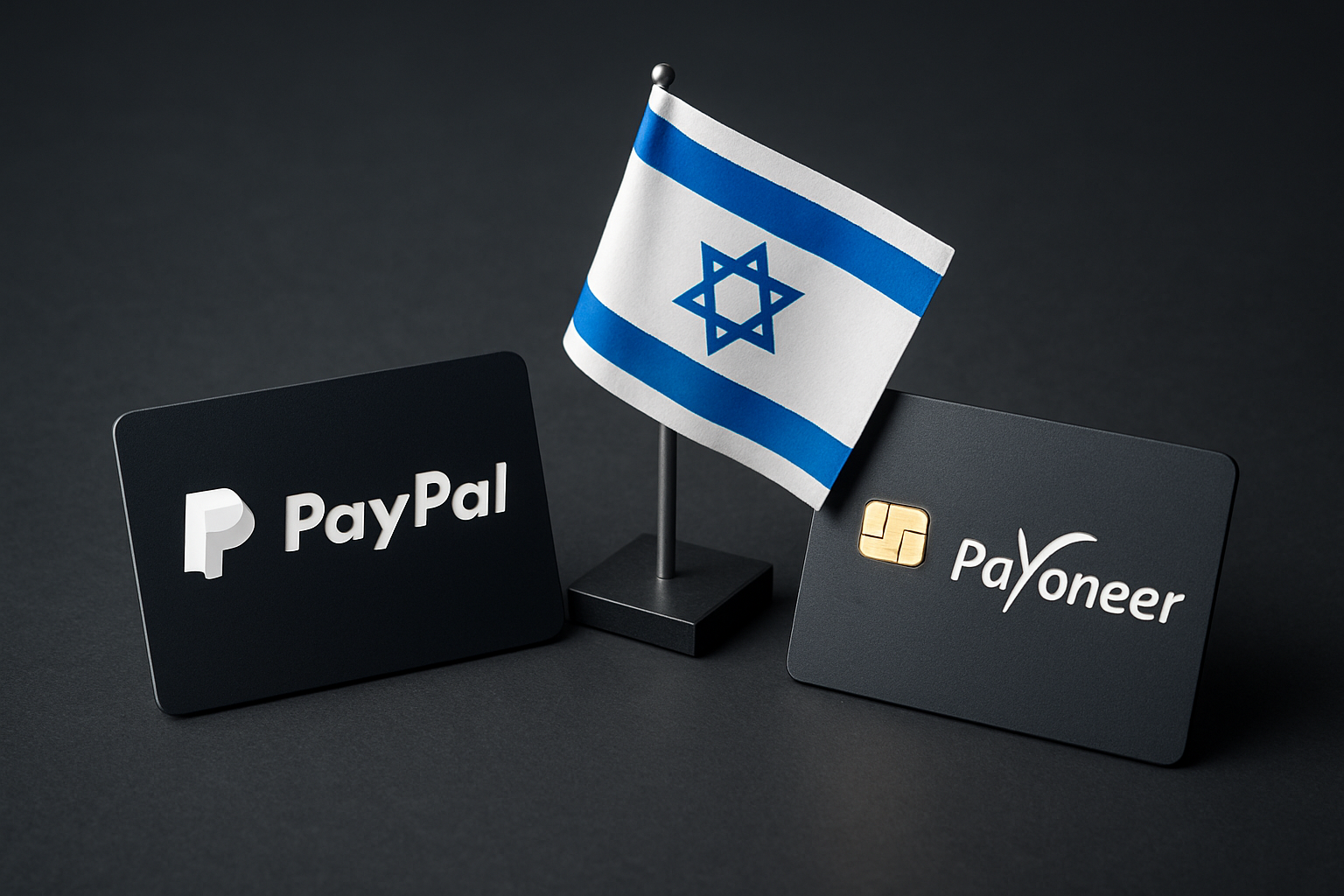
In today's digital age, online payment solutions have become an integral part of the business operations of many companies, especially in Israel. Whether you are a small startup or an established company, the ability to receive payments easily and quickly is critical to success. Two of the prominent names in the field are PayPal and Payoneer, each offering different advantages and disadvantages. In this article, we will conduct an in-depth comparison between the two platforms, examine their pros and cons, discuss costs, transfer speeds, legal and tax questions, and provide a guide for transitioning between the platforms.
Founded in 1998, PayPal has become one of the most popular platforms in the world for online payments. It offers a wide range of services, such as receiving payments, sending money, and transfers between users. Payoneer, established in 2005, primarily focuses on businesses and freelancers, providing convenient international payment solutions. Each platform offers different solutions that can cater to the varied needs of Israeli businesses.
The process of comparing PayPal and Payoneer is not straightforward, as each platform offers different advantages depending on the type of business, business model, and specific needs. We will examine the pros and cons of each platform, analyze their usage costs, and compare the speed of money transfers. We will also touch upon legal and tax questions and offer tips for a smooth transition between the platforms for Israeli businesses.
Advantages and Disadvantages of PayPal
PayPal offers many advantages that can be beneficial for Israeli businesses. First, it is very popular worldwide, making it easier to receive payments from customers in different countries. Its interface is user-friendly, allowing new users to get accustomed to the platform quickly. Additionally, the ability to easily integrate it with e-commerce sites like Shopify and WooCommerce makes PayPal an attractive choice for businesses looking to sell products online.
However, there are also disadvantages to using PayPal. Its fees can be relatively high, especially for international transactions. The fees typically range from 2.9% to 4.4% of the total transaction amount, depending on the country and currency. Furthermore, there are instances where PayPal accounts may be blocked or delayed, which can cause cash flow issues for businesses.
Advantages and Disadvantages of Payoneer
Payoneer offers significant advantages for Israeli businesses, especially when it comes to international transactions. The Payoneer platform focuses on providing payment solutions for businesses and freelancers, offering lower fees compared to PayPal. The fees for international transfers typically start at around 1%, making it a more cost-effective option for businesses conducting many transactions abroad.
In addition, Payoneer offers additional services such as a prepaid card that allows quick access to funds, and other services such as receiving payments through various partners. However, there are disadvantages to using Payoneer, such as limitations on the number of currencies that can be used, and a user interface that is not always as intuitive as that of PayPal. This may make it harder for new users to quickly adapt to the platform.
Cost Details and How to Compare
To understand the costs of using PayPal and Payoneer, one must examine the various fees imposed by each platform. For PayPal, the fees for local transactions are typically 2.9% + $0.30 per transaction. For international transactions, the fees may be higher, and there are often currency conversion fees as well. In contrast, Payoneer offers lower fees, especially for international transactions, and sometimes there is also the option to use services at no additional cost, such as receiving payments from various partners.
To make an accurate comparison between the two, it is important to consider the types of transactions you plan to carry out. If most of your payments are local, PayPal may be more cost-effective. However, if you are working with international clients, Payoneer may provide a more economical solution. Currency conversion costs, which are charged by both platforms, should also be taken into account, as they are often quite high.
Speed of Payment Processing and Transfers
Speed is a crucial factor in online transactions. With PayPal, the payment receipt process is typically fast, with transfers received almost immediately after payment confirmation. However, when it comes to bank transfers, the time may take between 3-5 business days, depending on the country to which the money is being sent.
Payoneer, on the other hand, also offers high speed in transfers. The payment receipt process here is quick as well, but when funds are transferred to a bank account, it may take between 2-5 business days. However, Payoneer offers the option to transfer money to a prepaid card, which provides quicker access to funds.
Legal and Tax Questions
When comparing payment solutions, it is also important to consider the legal and tax implications associated with using each platform. With PayPal, strict regulatory rules must be followed, and in some cases, you may need to provide additional documents to verify your identity. It is also important to know that all income received through PayPal must be reported to the tax authorities in Israel.
With Payoneer, the process is similar, but there are certain advantages regarding receiving payments from different countries. Payoneer offers services tailored to the tax laws of various countries, which may simplify the reporting process to tax authorities. However, you must be aware of the tax laws in every country where you operate and ensure that you comply with all legal requirements.
Guide for Transitioning Between Platforms
If you are considering switching from PayPal to Payoneer or vice versa, there are several steps you should take to ensure a smooth transition. First, make sure you have all the necessary information from your current platform, including invoices and documentation of all recent transactions. It is also advisable to check the fees and expected costs on each platform before making the switch.
Next, open a new account on the platform you are considering switching to. Be sure to fill in all the required information, including bank details and identification documents. Then, transfer all relevant information from your old platform to the new one, and make sure to inform your clients about the change to avoid payment delays.
Finally, after launching the new platform, it is important to monitor all transactions and ensure that everything is running smoothly. If you encounter any issues, do not hesitate to contact the support of your new platform for assistance.
Real Cases from the Technology Scene in Israel
In Israel, numerous examples of businesses that have used PayPal and Payoneer illustrate the advantages and disadvantages of each platform. For example, a company like Wix, which offers website building solutions, extensively uses PayPal to allow its customers to make payments easily and quickly. The company has benefited from PayPal's popularity among its clients, especially in Western countries.
On the other hand, there are companies like Fiverr, which allow freelancers to receive payments through Payoneer. Fiverr offers a payment solution that enables freelancers to receive funds easily and quickly, while saving on fees. Fiverr's business model is very well suited to the Payoneer platform, as it focuses on numerous international transactions.
Another company is monday.com, which uses PayPal services to receive payments from its clients in various countries. Using PayPal helps monday.com ensure a fast and convenient payment receipt process, allowing clients to pay anytime and easily.
Conversely, many technology companies in Israel choose Payoneer due to the lower fees and the possibility of international transfers. For example, a company developing technology applications may find itself preferring Payoneer, as it receives payments from clients around the world and wishes to minimize costs.
Best Practices and Tips
To maximize the advantages




Comments
💬 Share your thoughts