Comparison of Tools: CRM vs. Business Management Systems in Israel
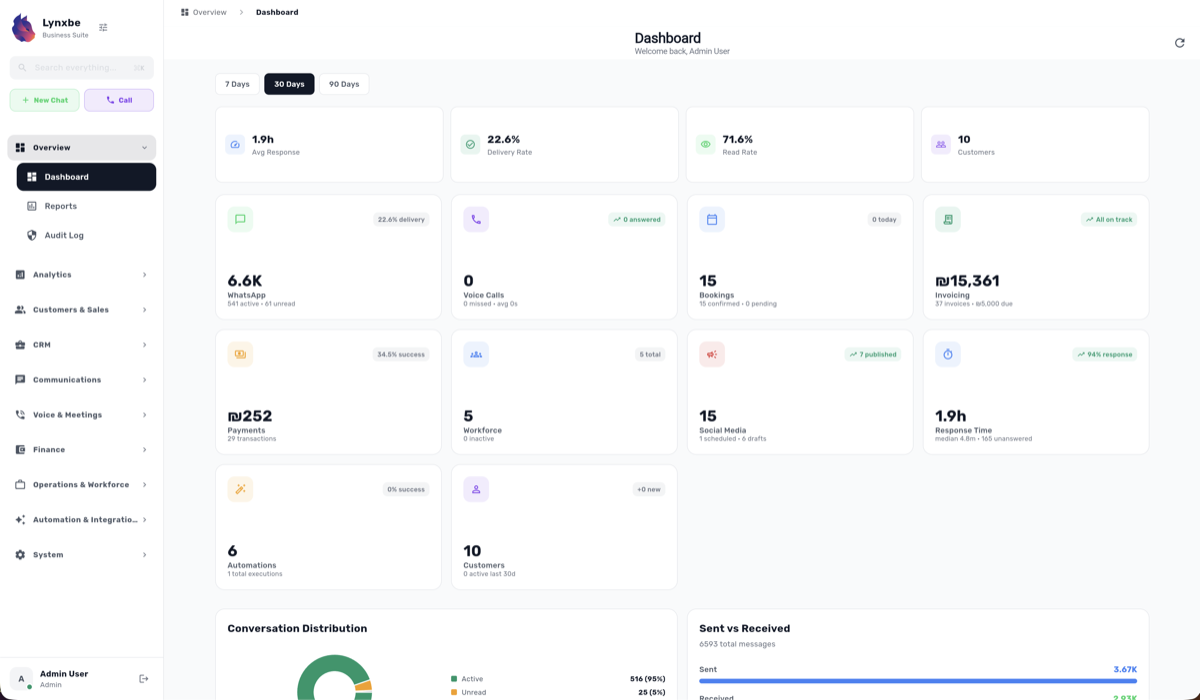
In today's digital age, the technological tools used by businesses, both small and large, have become essential for their success. When it comes to Customer Relationship Management (CRM) versus other business management systems, the question is not only what tools are available, but also how they impact business performance. In this article, we will examine the advantages and disadvantages of these tools, review the costs and benefits of each system, and provide real-world examples of Israeli businesses that have experienced using them.
One of the most important components of managing a business is managing relationships with customers. CRM, or Customer Relationship Management, is designed to help businesses manage their interactions with existing and potential customers. On the other hand, business management systems also include additional components such as project management, resource management, and financial management. The question is whether these tools provide the perfect solution for every business, or if there are advantages that can be gained specifically from using a combination of both.
We will conduct an in-depth comparison between CRM and business management systems, focusing on the impact of the tools on business performance, costs, and benefits, as well as providing practical examples from the Israeli industry. We will start with the advantages and disadvantages of each system, and then dive into the world of case studies from the real world.
Advantages and Disadvantages of CRM vs. Other Management Systems
Customer relationship management is a central component of any business, and CRM offers several clear advantages. First, it allows for accurate tracking of interactions with customers, which helps improve the customer experience. Through good management of relationships with customers, businesses can offer personalized service, leading to increased customer loyalty.
In addition, CRM systems provide important insights into customer behavior, allowing businesses to tailor the services and products they offer. For example, if a customer makes repeat purchases of a certain product, the business can offer them special promotions or complementary products, thereby increasing its sales.
However, there are also disadvantages to using CRM systems. One of the main issues is cost. Often, CRM systems require a high initial investment, and not every business can afford the associated costs. Additionally, some systems require specific training, which can take time and cause delays in the workflow.
On the other hand, business management systems offer a broader approach, as they include not only customer relationship management but also project management, employee management, and tracking of business processes. This allows businesses to manage all the different aspects of business activity in one place. However, the issues with working with such a system may include a lack of expertise in customer relationship management, leading to missed business opportunities.
The Impact of Tools on Business Performance
The impact of tools on business performance is critical. Companies that implement CRM can see a significant improvement in their teams' efficiency. For example, with CRM, sales representatives can quickly access customer information, allowing them to provide better services in less time. According to studies, businesses that use CRM report a 29% increase in sales due to better management of customer relationships.
While other management systems may offer advantages in internal management, such as resource and project management, they do not always provide the necessary tools to achieve good relationships with customers. Focusing on customer service can lead to improved customer experience and increased revenue.
There are many Israeli companies that can serve as excellent examples of the impact of tools on business performance. For instance, "Mobileye" managed to improve its service processes using an advanced CRM system, which led to a significant reduction in response times to customer inquiries.
Review of Costs and Benefits of Each System
When examining the costs of CRM systems versus other management systems, several factors must be considered. The cost of the system itself, training costs, and technical support after launch. CRM systems may be more expensive compared to other management systems, but there is a good reason for this - they provide data and statistics that can lead to increased sales.
In many cases, the cost of a CRM system may start at around 2,000 NIS per month for small businesses, but can rise to 10,000 NIS per month for larger companies with more users and more complex requirements. In contrast, other management systems may be cheaper, but may not always provide full value.
When considering the benefits, it is important to remember that investing in a CRM system can yield higher returns in the long run. For example, by improving service and customer loyalty, a business can easily increase its revenue. A recent report found that companies that invested in CRM experienced an average increase of 41% in sales in the first year.
Case Studies of Israeli Businesses that Experienced
Now let's examine several case studies of Israeli businesses that used CRM or business management systems, and what the results were. The company "Wix," for example, uses a CRM system to manage its relationships with customers. The use of this system led to a 30% increase in customer satisfaction, as well as a significant improvement in response times to inquiries.
The company "Teva," one of the largest companies in Israel, launched an internal CRM system to improve relationships with doctors and customers. Following the launch of the system, the company was able to increase its sales by 25% within a year. The main reason for the success was the ability to collect data on customers and provide them with personalized service.
Another case is "Pelephone," which used a business management system to streamline its work processes. Through the system, the company managed to save 15% on its operational costs, and additionally, improved its customer service processes.
Best Practices and Tips
To ensure that your investment in a CRM or business management system yields good results, there are several important points to consider. First, thorough training should be provided for all teams working with the system. Inadequate training can lead to inefficient use of the system and negatively impact results.
Second, it is important to examine the needs of your business before choosing the system. Not every system is suitable for every business, so it is essential to conduct comprehensive research on the solutions available in the market. You can compare different systems and seek recommendations from other businesses that have experienced using them.
Finally, it is important to ensure that the system is updated regularly. CRM software and business management systems are constantly updated with new features, so it is important to stay informed to take advantage of all the benefits that the systems offer.
Actionable Insights and Takeaways
The main conclusions from the article are that investing in a CRM system can yield many benefits, but you must consider the specific needs of your business. You should assess the costs versus the benefits and ensure that the system you choose fits your needs.
Additionally, the case studies we presented demonstrate how Israeli companies have managed to improve their performance through investment in CRM systems. It is important to remember that a proper investment can yield high returns in the long run, so comprehensive testing should be conducted.
In conclusion, do not forget that the technology field is constantly evolving. Stay updated on innovations and technological developments, and do not hesitate to upgrade your systems when they offer clear advantages.
Summary with a Call to Action
In the modern era, the choice between CRM and a business management system is not simple. Each system offers its own advantages and disadvantages, and the right decision depends on the specific needs of your business. We recommend conducting in-depth research, examining your team's needs, and investing in a system that can support your growth and business development.
Now that you have the necessary information, it's time to take action. You are invited to consult with experts in the field, review different software options, and choose the right solution for your business. The key to success lies in proper investment and smart use of the available tools.




Comments
💬 Share your thoughts