CRM vs. ERP: Which is Better for Israeli Retail Businesses?
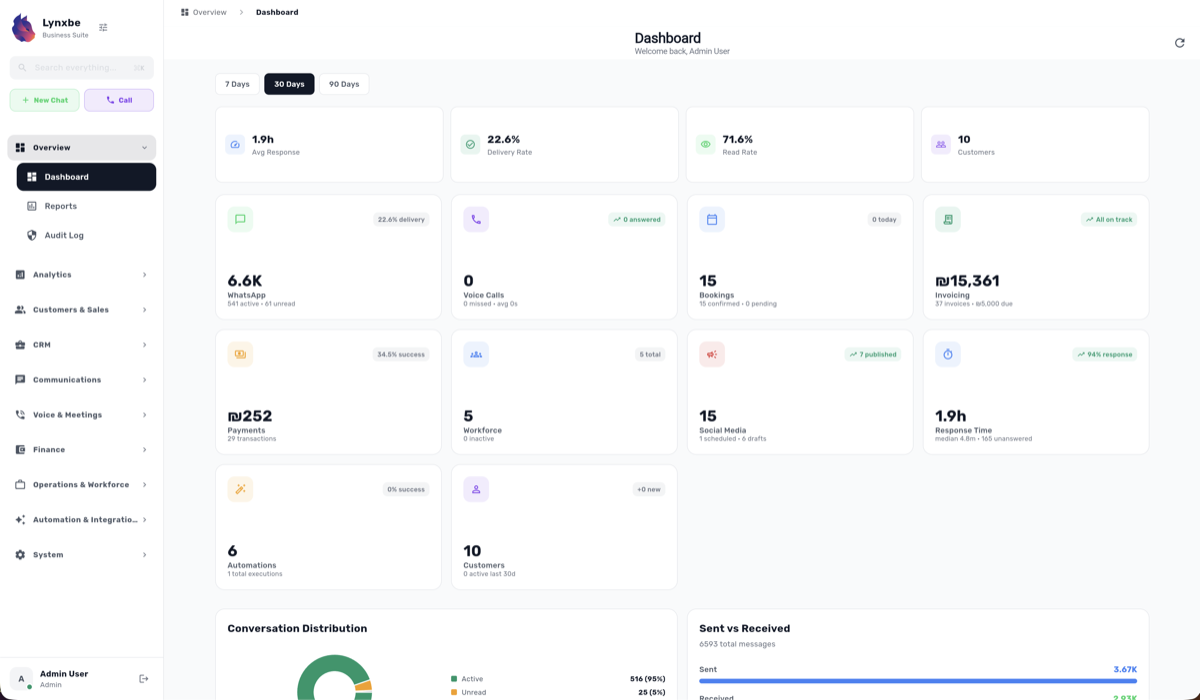
In today's digital age, retail businesses in Israel find themselves facing many challenges, especially when it comes to customer relationship management and internal processes. As the market evolves, the need for businesses to understand the technological tools that can benefit them increases. Among the most popular solutions on the market today are CRM systems (Customer Relationship Management) and ERP systems (Enterprise Resource Planning). Each system offers different advantages, but the question is: which one is more suitable for retail businesses in Israel?
In this article, we will examine the key differences between CRM and ERP systems, review the advantages and disadvantages of each system for retail businesses in Israel, present case studies from the local market, and offer tips for implementing the systems to yield the best results. If you are technology managers, developers, or business owners, this article is for you, and it will provide you with the necessary tools to decide which system might better suit your needs.
In today's reality, the ability to understand your customers and manage your resources efficiently is critical to success. A business that fails to manage its relationships with its customers or lacks control over its internal resources may encounter many difficulties. Therefore, understanding the advantages of each system is crucial for making the right decisions.
Let’s start by understanding the essence of the systems and how they operate.
Key Differences Between CRM and ERP
A CRM system, or Customer Relationship Management, primarily focuses on managing relationships with customers, marketing, sales, and customer service. The goal is to enhance the customer experience and maximize revenues by understanding the needs and desires of customers. This system provides tools for managing customer data, tracking interactions, analyzing data, and planning targeted marketing campaigns.
In contrast, an ERP system, or Enterprise Resource Planning, provides a comprehensive solution for managing all internal processes of the organization, including financial management, logistics, inventory, procurement, and human resources. The main goal of an ERP system is to improve operational efficiency and reduce costs by integrating all information and operations under one system.
These differences reflect the different focus of each system. While CRM focuses on the customer and their experience, ERP focuses on managing the internal processes of the organization. The choice between the two depends on the specific needs of the business and its overall strategy.
Advantages and Disadvantages of CRM for Retail Businesses in Israel
A CRM system offers many advantages for retail businesses. First, it allows for in-depth management of customer data, including purchase history, personal preferences, and responses to marketing campaigns. This enables businesses to create more personal connections with their customers, leading to increased satisfaction and customer loyalty.
Additionally, CRM systems offer tools for managing targeted marketing campaigns. For example, in a retail business that issues membership cards, a CRM system can analyze the purchasing habits of club members and send them special offers tailored specifically to them. This not only increases revenue but also fosters long-term relationships with customers.
However, there are also disadvantages to using CRM systems. First, there is a high investment required for the implementation and maintenance of the system. Moreover, if the information is not updated in real-time, it may lead to incorrect decisions. In retail businesses where inventory and prices change constantly, the information must be accurate and readily available.
Advantages and Disadvantages of ERP for Retail Businesses in Israel
An ERP system offers many advantages in managing the internal processes of the business. It provides integration between all different departments, which reduces errors and streamlines information flow. For example, when the sales department makes a sale, the information is automatically transferred to the inventory and shipping preparation department. This reduces the risk of excess or insufficient inventory.
Additionally, ERP systems offer advanced analytical capabilities, allowing business owners to make data-driven decisions. For example, a manager can analyze sales data and discover which products sell more during certain periods, aiding in future procurement planning.
However, there are also disadvantages to using ERP systems. The costs of implementation and maintenance are high, and thorough training of employees is necessary. Furthermore, if the system is not tailored to the specific needs of the business, it may lead to a poor user experience and frustration among employees.
Case Studies from the Israeli Market
To understand the impact of CRM and ERP systems, we will present some practical cases from retail businesses in Israel. One example is "Shufersal," the largest retail chain in Israel, which implemented an ERP system to optimize inventory management and its internal processes. With the system, it was able to reduce storage costs and improve delivery times to customers.
Another case is a small local business, "Yossi's Deli," which used a CRM system to manage its relationships with customers. Yossi was able to analyze his customers' purchasing habits and send them personalized offers, which boosted his sales in a short time. The ability to manage relationships with his customers in a focused manner led to a significant increase in satisfaction.
These cases illustrate the importance of each system and the value they can provide to retail businesses in Israel. The choice of the appropriate system depends on the specific needs of the business and its overall strategy.
Tips for Implementing the Systems
Whether you choose a CRM system or an ERP system, there are several tips that can help you ensure successful implementation. First, it is important to conduct thorough research on the existing solutions in the market and choose a system that fits the specific needs of your business. This includes understanding the required functions, budget, and the system's flexibility for future changes.
Second, it is important to allocate resources for training your team. A system that is not utilized properly will not deliver the desired value. Investing in training will ensure that your employees know how to leverage the advanced tools available to them.
Finally, it is advisable to regularly seek feedback from users of the system. This can help identify issues and make improvements that will lead to greater efficiency. A flexible system that responds to user needs will help enhance the overall productivity of the business.
Insights and Conclusions
In conclusion, the choice between a CRM system and an ERP system depends on the needs and goals of the business. If your goal is to improve customer relationships and increase revenue, a CRM system may be the right choice. On the other hand, if you are looking for a comprehensive solution for managing the internal resources of the business, an ERP system is the appropriate choice.
It is important to remember that it is possible to integrate both systems, and the integration between them can yield better results. By connecting CRM to ERP, comprehensive and holistic management of all operations in the organization can be achieved, from marketing to inventory management.
If you are considering implementing a CRM or ERP system, do not hesitate to reach out to experts in the field or technology companies that can guide you through the process. The investment of time and resources may yield impressive results and elevate your business to the next level.



Comments
💬 Share your thoughts