Cybersecurity Innovations: Israel's Role in Global Defense
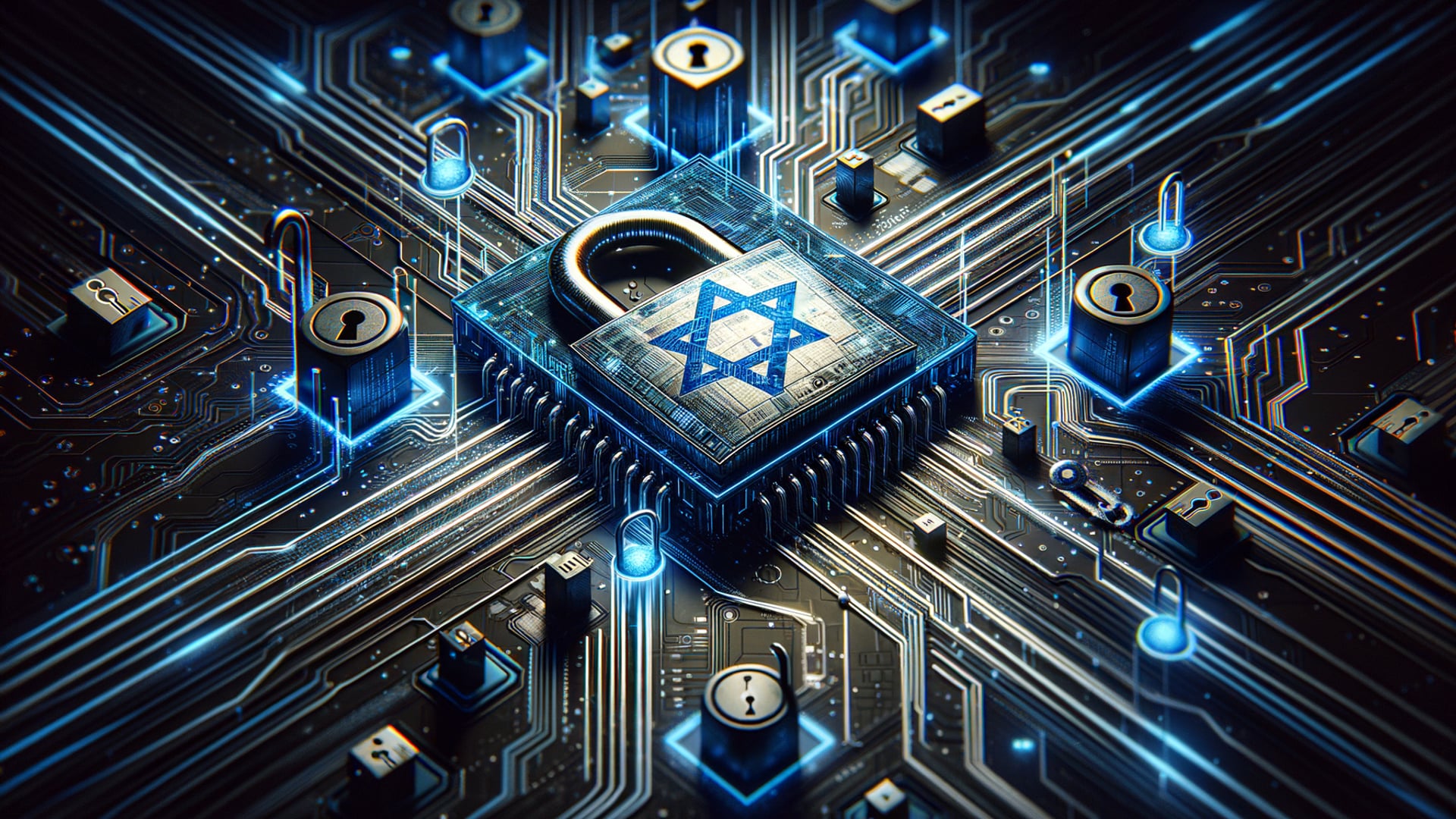
In a world where cyber threats have become omnipresent and increasingly sophisticated, cybersecurity innovations are no longer optional but essential. Israel has emerged as a powerhouse in this arena, showcasing its remarkable ability to not only defend against attacks but also to innovate and set global standards in cybersecurity practices. With its unique geopolitical landscape, Israel has developed a cybersecurity ecosystem that is both robust and dynamic, making significant contributions to global defense strategies.
The Israeli cybersecurity landscape is characterized by diverse players ranging from established firms to agile startups. The country is home to some of the most skilled information security professionals, many of whom have gained invaluable experience in the Israeli Defense Forces (IDF). This military background provides a unique perspective on threat assessment and response, which has been pivotal in shaping Israel's cybersecurity innovations.
As we explore the role of Israel in global cybersecurity, we will delve into the key players within its ecosystem, emerging technologies and tactics, regulatory changes, and best practices that startups can adopt to enhance their security posture. This comprehensive examination aims to equip tech professionals, developers, and startup founders with actionable insights that can be applied within their own organizations.
Key Players in the Israeli Cybersecurity Ecosystem
Israel's cybersecurity ecosystem is vibrant, featuring a mix of government agencies, private enterprises, and academic institutions that collaborate to advance security technologies. Notable players such as Check Point Software Technologies and CyberArk have established themselves as global leaders, continuously innovating and expanding their offerings to combat emerging threats. Check Point, for instance, has made significant strides in cloud security and threat prevention, demonstrating the importance of proactive defense measures.
In addition to these giants, a multitude of startups has emerged in recent years, focusing on niche areas of cybersecurity. Companies like SentinelOne and Cybereason have gained international recognition for their innovative approaches to endpoint protection and threat detection. These startups often leverage cutting-edge technologies such as artificial intelligence and machine learning to enhance their capabilities, providing solutions that are not only effective but also adaptive to the evolving threat landscape.
Furthermore, the Israeli government plays a crucial role in fostering cybersecurity innovation through initiatives such as the National Cyber Directorate. This agency not only develops national cybersecurity strategies but also collaborates with private sector entities to promote research and development. The synergy between government and private enterprises creates a fertile ground for innovation, enabling rapid responses to cyber threats.
Emerging Technologies and Tactics in Cybersecurity
As cyber threats evolve, so too must the technologies and tactics employed to counter them. Israel has been at the forefront of developing innovative solutions that incorporate artificial intelligence, machine learning, and blockchain technology. These advancements enable faster threat detection, improved response times, and enhanced security measures across various domains.
Artificial intelligence (AI) is revolutionizing the cybersecurity landscape. Israeli companies like Darktrace utilize AI to analyze vast amounts of data in real-time, identifying anomalies that could signify potential security breaches. By employing machine learning algorithms, these systems can adapt and improve over time, reducing the time it takes to identify and mitigate threats.
Additionally, the application of blockchain technology in cybersecurity is gaining traction. Blockchain's decentralized nature makes it inherently secure, providing a robust framework for data integrity and identity verification. Companies like QEDIT are leveraging blockchain to enhance privacy and security in transactions, showcasing how traditional cybersecurity measures can be strengthened through innovative technologies.
Regulatory Changes Impacting the Cybersecurity Landscape
The regulatory environment surrounding cybersecurity is continuously evolving, influenced by the increasing frequency and severity of cyber incidents. In Israel, regulations such as the Cyber Defense Regulation mandate that critical infrastructure sectors implement stringent cybersecurity measures. This regulatory framework not only enhances the security posture of organizations but also fosters a culture of resilience across industries.
Furthermore, the European Union’s General Data Protection Regulation (GDPR) has had a significant impact on Israeli companies that operate internationally. Compliance with these regulations often requires substantial investments in cybersecurity measures to protect personal data. Israeli firms have responded proactively, integrating privacy by design into their product offerings, thereby enhancing their market competitiveness.
The interplay between regulation and innovation is vital for the growth of the cybersecurity ecosystem. As regulatory bodies impose more stringent requirements, companies are encouraged to innovate and adopt advanced cybersecurity solutions. This creates a cycle of continual improvement, ensuring that organizations remain vigilant against emerging threats.
Best Practices for Startups to Enhance Their Security Posture
For startups navigating the complex cybersecurity landscape, adopting best practices is crucial for safeguarding their assets and reputation. One fundamental practice is conducting regular security assessments to identify vulnerabilities within their systems. This proactive approach allows organizations to address weaknesses before they can be exploited by malicious actors.
Implementing a robust security framework, such as the NIST Cybersecurity Framework, can provide startups with a structured approach to managing cybersecurity risks. This framework encompasses five core functions: Identify, Protect, Detect, Respond, and Recover. By systematically addressing each of these areas, startups can build resilience against cyber threats.
Furthermore, fostering a culture of cybersecurity awareness among employees is essential. Regular training sessions can equip staff with the knowledge to recognize phishing attempts and other malicious activities. Empowering employees to be the first line of defense can significantly reduce the likelihood of successful attacks.
Real-World Use Cases from the Israeli Tech Scene
To illustrate the effectiveness of Israel's cybersecurity innovations, consider the case of a prominent Israeli fintech startup that experienced a cyber attack targeting its customer data. By implementing advanced threat detection systems developed by a local cybersecurity firm, the startup was able to identify the breach within minutes and contain the damage before any sensitive information was compromised. This incident underscores the importance of leveraging local expertise and technology to enhance security measures.
Another compelling example can be found in the healthcare sector, where an Israeli health tech startup utilized machine learning algorithms to protect patient data. By analyzing access patterns and detecting anomalies, the startup successfully mitigated risks associated with unauthorized data access. This proactive threat detection not only protected patient information but also ensured compliance with stringent regulations.
Additionally, a major Israeli telecommunications company faced a Distributed Denial of Service (DDoS) attack that threatened to disrupt its services. By employing a multi-layered security approach that included traffic filtering and real-time monitoring, the company successfully thwarted the attack. This incident illustrates the effectiveness of implementing comprehensive security measures to defend against sophisticated threats.
Actionable Insights and Takeaways
The role of Israel in global cybersecurity defense is multifaceted and dynamic. By studying the key players, technologies, and regulatory changes within the Israeli cybersecurity ecosystem, tech professionals can glean valuable insights applicable to their own organizations. The emphasis on collaboration between government and private sectors fosters an environment ripe for innovation, setting a global benchmark in cybersecurity practices.
Startups, in particular, must prioritize cybersecurity from the outset. By adopting best practices such as regular security assessments and employee training, they can significantly enhance their security posture. Leveraging emerging technologies such as AI and blockchain can also provide a competitive edge in safeguarding against cyber threats.
As cyber threats continue to evolve, organizations must remain agile and responsive. Continuous investment in cybersecurity innovations and compliance with regulatory requirements will not only protect assets but also instill confidence among customers and stakeholders. The proactive adoption of these strategies can help shape a secure digital future for businesses across Israel and beyond.
Conclusion with Call to Action
In conclusion, Israel's significant contributions to global cybersecurity innovations cannot be overstated. The collaboration between government, academia, and industry has resulted in a robust cybersecurity ecosystem that sets a standard for the rest of the world. As threats become more complex, the importance of continuous innovation and strategic partnerships will only grow.
We encourage tech professionals and startups alike to engage with the local cybersecurity community, leverage the resources available, and stay informed about the latest trends and technologies. By doing so, organizations can enhance their security posture and contribute to Israel's ongoing legacy as a leader in cybersecurity.
Let us embrace the future of cybersecurity together and ensure that our digital landscape remains secure and resilient. Reach out to your peers, explore collaboration opportunities, and invest in the technologies that will safeguard our collective future.





Comments
💬 Share your thoughts