Guide to Transitioning to Digital Payments in Israel
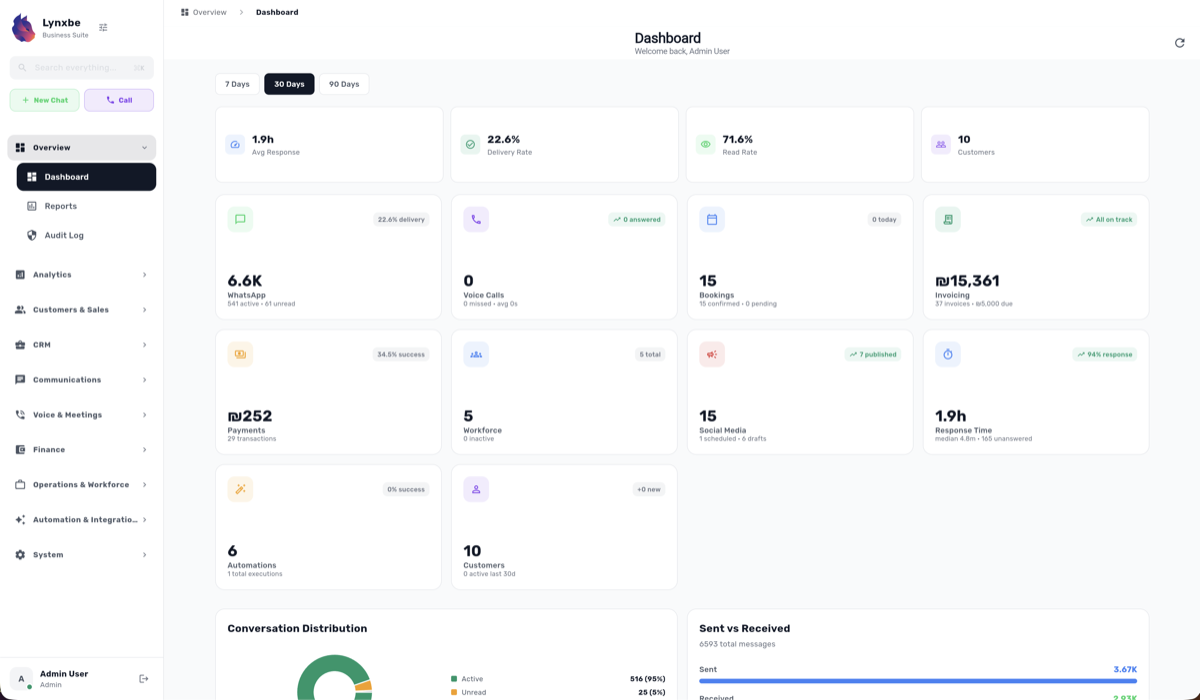
With the advancement of technology and the shift to digitalization, digital payments have become an integral part of our lives. In Israel, like in other countries, an increasing number of businesses and customers are adopting these new methods. When it comes to digital payments, there are many advantages, such as convenience, speed, and cost savings, but the transition can be a challenge for many.
This article provides a detailed guide for transitioning to digital payments in Israel, including practical steps, a list of recommended service providers, regulatory requirements, and an understanding of the most popular payment methods. Whether you are developers, technology managers, or entrepreneurs, this information is essential for you to succeed in the dynamic digital payments market.
In Israel, there is already an advanced technological infrastructure that allows for a seamless transition to digital payments. With the rising awareness of the importance of secure and efficient solutions, it is necessary to understand the process, the key players, and the regulations governing the field. The transition will not only improve the customer experience but can also increase business revenues.
So how do you get started? In this article, we will provide all the necessary information to make the transition smoothly and successfully. We will learn about the required steps, the tools that can help, and present examples from the field that will help understand the process better.
Steps for Transitioning to Digital Payments
The transition to digital payments requires careful and organized planning. The first step is to assess the current situation. It is important to understand how payments are currently being made, what solutions exist, and what the needs of the business are. You need to ask the right questions: Are there advanced management systems in place? Is there an appropriate technological infrastructure?
After the assessment, the next step is to choose the appropriate solutions. There are different types of digital payments, such as credit cards, payments via applications like Paybox, Bit, or platforms like PayPal. You need to research the various providers, understand the fees, and choose the solution that best fits the business needs.
Next, technological implementation is necessary. This is a critical step where the appropriate systems must be established, the chosen solutions must be integrated, and it must be ensured that they operate smoothly. In many cases, there is a need to upgrade or replace existing systems. It is important to carry out this process in collaboration with a professional technology team.
As part of the transition, it is essential to ensure staff training. Employees must be trained on how to use the new systems, understand the benefits, and provide quality customer service. Proper training will help minimize problems and issues during use.
List of Recommended Service Providers
To ensure a smooth transition to digital payments, it is important to choose quality service providers. In Israel, there are several prominent providers in the field that offer various solutions for businesses. Among the recommended providers are:
1. **PayU** - An international payment service provider offering advanced solutions for digital payments, including credit card payments and processing solutions.
2. **Paybox** - A popular payment application in Israel that allows users to make quick payments, send money to friends, and make online purchases.
3. **Bitt** - An application that facilitates payments between users, emphasizing convenience and security, popular among young people.
4. **Zahav** - A payment platform designed for businesses, with solutions including online processing and account management.
5. **Square** - An international solution offering processing services, with a user-friendly interface and advanced options.
Regulatory Requirements in Israel
In Israel, the transition to digital payments must be conducted in accordance with regulations that establish the legal framework for operation. The Capital Market Authority and the Central Bank set the rules and requirements for financial institutions and service providers in the payments field.
One of the main requirements is compliance with information security regulations. Every service provider is required to offer secure solutions, including data encryption and protection of user privacy. Additionally, it must be ensured that the system complies with PCI DSS standards, the international standard for credit card information security.
Another requirement is licensing. Every payment service provider must be registered and supervised by the Capital Market Authority. This process is designed to ensure the reliability of providers and the safety of payments.
Moreover, there are additional laws related to payment reporting, taxes, and legal conditions. Businesses must be aware of all these aspects to avoid future issues.
What are the Most Popular Payments?
There are several types of digital payments that are popular in Israel. Credit card payments are among the most common, with many businesses offering customers the option to pay with credit cards online and in stores.
Payments via applications like Bit and Paybox are gaining significant popularity, especially among young people. These applications allow for easy and quick payments, and recently have even become an accepted payment method in restaurants and stores.
Another popular solution is online processing, which allows businesses to receive payments for purchases made online. These solutions need to be fast and secure to ensure a good user experience.
Finally, there are additional solutions like payments via QR codes, which allow for immediate payment through code scanning. This solution is becoming more common, especially in small businesses and on-site sales.
Practical Cases from the Israeli Field
For example, take the company **Wolt**, which provides delivery services in Israel. The company adopted digital payment solutions to streamline its customers' payment process. Through the Wolt app, users can pay easily and quickly, which has increased customer satisfaction and led to increased revenues.
Another example is **Gett**, a taxi service that offered digital payment solutions from day one. Customers can pay via credit card or through the app, making the user experience simple and convenient. The digital solutions improved service efficiency and increased the number of satisfied customers.
Even **eBay** Israel offers advanced payment solutions, allowing sellers and customers to conduct transactions securely. The system is based on advanced technologies that ensure privacy and security for all parties in the transaction.
Additionally, **Mango** - an online shopping platform that started using a digital payment system, saw a significant increase in sales. The use of digital payments allowed customers to make purchases quickly, which increased conversion rates.
Best Practices
To succeed in the transition to digital payments, several best practices should be followed. First, it is important to conduct thorough market research on the various service providers and choose the solution that best fits the business needs.
Second, ensure information security. Investing in information security will help prevent future problems and provide customers with a sense of security. Make sure that the system complies with all required standards.
Third, invest in training and support for employees. Proper training will help the team understand the new systems and provide quality service to customers. Technical support will also help in cases of technical issues.
Insights and Recommendations
In conclusion, transitioning to digital payments is a fundamental move for businesses in Israel. It requires precise planning, the right choices of providers, and a deep understanding of regulation.
Businesses that choose to invest in this transition can expect significant improvements in customer experience and business outcomes. Using advanced technologies not only streamlines processes but also provides a competitive advantage in the market.
If you are considering transitioning to digital payments, do not hesitate to reach out to professional service providers who can guide you through the process. A proper investment can yield high profits in the future.
Summary
The transition to digital payments in Israel is not just a trend, but a real necessity in the modern era. With technological advancement, your businesses can benefit from advanced solutions that will lead to positive outcomes.
Do not forget to keep up with market trends, learn from the experiences of others, and choose the solutions that best fit your needs. Good luck with the transition!






Comments
💬 Share your thoughts