Guide to Transitioning to WhatsApp Cloud API for Businesses in Israel
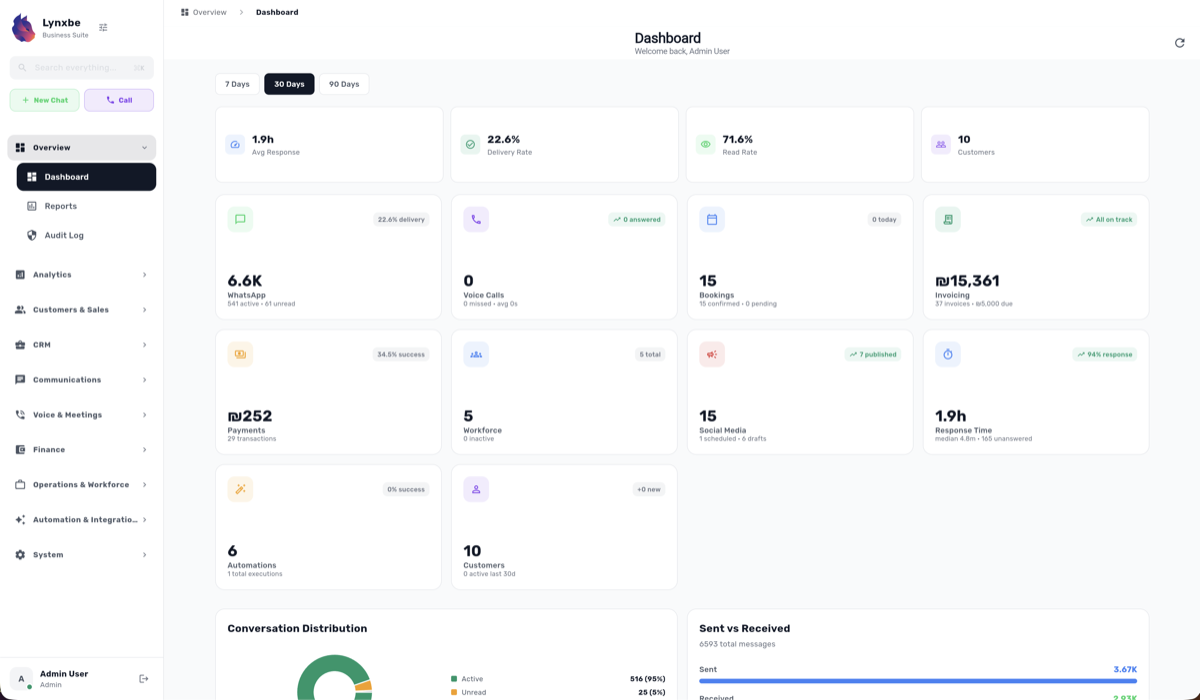
In the last decade, WhatsApp has become one of the leading platforms in the world of communication, especially among businesses. With its enormous user base and the growing popularity of instant messaging, businesses in Israel have started to realize the potential in the services offered by WhatsApp. One of the advanced tools recently added is the WhatsApp Cloud API, which provides new and advanced solutions for businesses.
In this article, we will explore the WhatsApp Cloud API, understand how it works, review the steps required to transition from the WhatsApp Business API to the Cloud API, and present significant benefits that this service can bring to your business. Additionally, we will analyze common mistakes that businesses make during the transition and which best practices should be adopted.
To successfully transition to cloud services, it is important to understand the differences between the WhatsApp Business API and the Cloud API. Furthermore, we will present real-world examples from the technology sector in Israel, from which lessons can be learned about the advantages of moving to the cloud.
What is WhatsApp Cloud API and How Does It Work?
WhatsApp Cloud API is a solution that allows businesses to communicate with their customers via WhatsApp in a more convenient, easy, and flexible way. Instead of building a server infrastructure to support the WhatsApp Business API services, businesses can leverage WhatsApp's cloud solution, which is available 24/7 and provided by Meta.
The service operates on an API basis, meaning the business can easily integrate it with existing systems such as CRM, customer management systems, or even custom applications. All you need to do is register for the service, set up your account, and integrate it with your existing systems.
WhatsApp Cloud API offers a wide range of features, including sending text messages, images, files, and media, as well as support for bots and automated systems. Businesses can plan conversations with customers, send important updates, and provide real-time technical support—all without the need for managing physical infrastructures or incurring additional costs.
Steps to Transition from WhatsApp Business API to Cloud API
The transition from WhatsApp Business API to Cloud API is a relatively simple process, but it requires proper planning. The first step is to register for the WhatsApp Cloud API through the Meta portal. Here you will need to provide basic information about your business, such as the business name and the phone number you wish to use.
Once your account is approved, you can start setting up the API. Meta provides extensive documentation explaining how to establish your environment, including how to set up automated messages, integrate with CRM systems, and even options for performance tracking.
During the setup process, it is important to pay attention to several things. First, ensure that your number is not in use by another account. Second, consider security settings, and use API keys properly to prevent unauthorized access.
Benefits of Using Cloud in Your Business
Using WhatsApp Cloud API offers significant advantages for businesses. One of the most notable benefits is simplicity and convenience. Businesses can start working with the service almost immediately, without the need for investment in expensive infrastructures. All that is needed is an internet connection.
Another advantage is the ability to easily scale the service. If your business is expanding and needs to support more customers, additional users and agencies can be added easily. All this is done without the need for physical upgrades or complex processes.
Additionally, WhatsApp Cloud API offers high performance and protection for your data. Meta invests significant resources to ensure that its services are secure and efficient. This provides businesses with peace of mind when using the service.
Mistakes to Avoid During the Transition
When transitioning to WhatsApp Cloud API, there are several common mistakes that may occur. One of them is insufficient preparation. Many businesses start the transition without understanding all the required steps, which can lead to delays and technical problems.
It is also important to check all settings before launch. Often, businesses skip this step and experience issues after the service is already operational. Ensure that all settings are correct and that the system is functioning as it should.
Another mistake is the lack of team training. Using WhatsApp Cloud API requires certain skills, and to avoid future issues, it is important to provide training to your team. This training can include using the system, troubleshooting, and even customer management.
Practical Examples with Code Snippets
To illustrate the use of WhatsApp Cloud API, here is a simple example of sending a message using the API. Let's say you have a CRM system and you want to send a message to a customer after making a purchase.
First, you will need to set up your API with the correct key. Here is an example using Python to send a message:
import requests

# Define parameters
url = "https://graph.facebook.com/v13.0/YOUR_PHONE_NUMBER_ID/messages"
headers = {
    "Authorization": "Bearer YOUR_ACCESS_TOKEN",
    "Content-Type": "application/json"
}

# Message body
data = {
    "messaging_product": "whatsapp",
    "to": "RECIPIENT_PHONE_NUMBER",
    "type": "text",
    "text": {
        "body": "Thank you for your purchase!"
    }
}

# Send the request
response = requests.post(url, headers=headers, json=data)

# Check if the message was sent successfully
if response.status_code == 200:
    print("Message sent successfully!")
else:
    print("Error sending message:", response.text)
In this example, you can see how to send a message relatively easily using the WhatsApp Cloud API. Of course, this code can be extended to include additional logic, such as error handling or sending personalized messages.
Real-World Use Cases from the Israeli Tech Scene
In Israel, many companies have already adopted the WhatsApp Cloud API to improve their communication with customers. For example, IKEA in Israel uses the service to provide support to customers, send messages about new promotions, and even confirm orders.
Mobileye, a leader in the autonomous vehicle sector, uses WhatsApp Cloud API to communicate with drivers and provide real-time updates on road conditions and the system. Conversations are automated, reducing the burden on call centers.
Even startups like Rafael are using WhatsApp Cloud API to communicate with their customers quickly and efficiently. With the platform, they manage to send important updates about services as well as manage feedback from customers.
The use of WhatsApp Cloud API is not limited to large companies. Small businesses like restaurants or local shops are also using the service to enhance customer experience. For example, a restaurant can send real-time order confirmations to customers, reducing inconvenience and increasing satisfaction.
Best Practices and Tips
When planning the transition to WhatsApp Cloud API, it is advisable to consider several best practices. First, it is recommended to establish a clear process for managing messages. This includes defining who is responsible for responses, how to handle repeated inquiries, and which messages should be sent automatically.
Secondly, it is important to monitor the performance of your messages. Using the tools provided by Meta, you can analyze how many messages were sent, how many were opened, and which messages received the best responses. This data can improve your strategies in the future.
Finally, make sure to stay updated on changes and innovations offered by WhatsApp. Over time, the company launches new features, and it is always good to be informed to take advantage of these new tools for your business.




Comments
💬 Share your thoughts