Harnessing AI for Cybersecurity: Israeli Innovations Unveiled
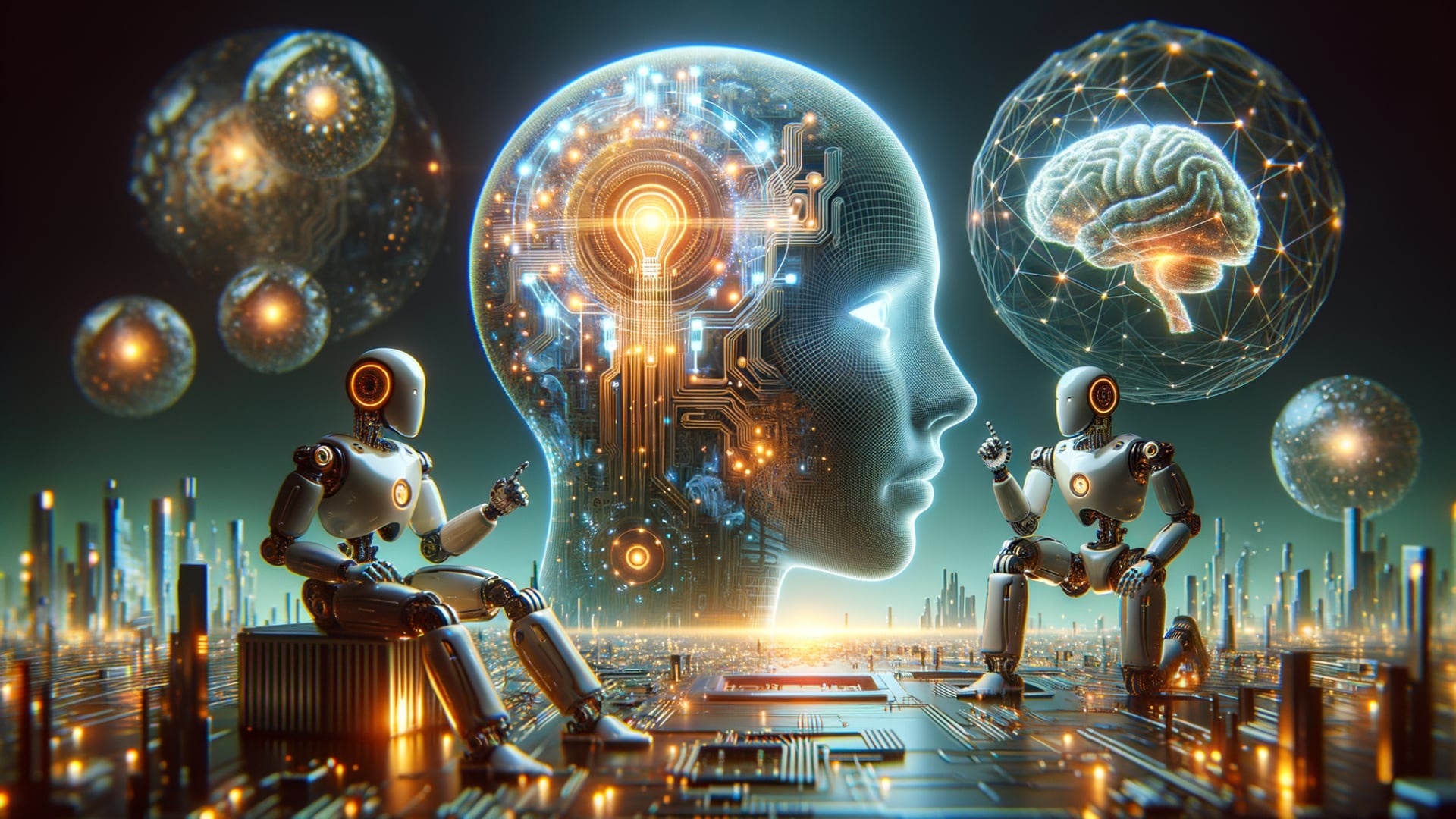
In an era where digital threats are evolving at an unprecedented pace, the integration of artificial intelligence (AI) into cybersecurity has become not just advantageous but essential. As organizations grapple with the complexities of safeguarding their digital assets, AI presents a transformative solution capable of detecting anomalies, predicting threats, and automating responses. With Israel's reputation as a global technology hub, the country has emerged as a beacon of innovation in AI-driven cybersecurity solutions.
The convergence of AI and cybersecurity is timely. According to recent studies, cybercrime is expected to cost the world $10.5 trillion annually by 2025. This staggering figure underlines the urgent need for improved defense mechanisms. Israeli startups and established companies are actively contributing to this arena, bringing forth cutting-edge technologies that leverage machine learning, deep learning, and advanced analytics to enhance security postures.
As we delve deeper into the landscape of AI in cybersecurity, it’s important to examine current trends, the key players in the Israeli scene, practical tools that facilitate threat detection, and real-world examples of successful implementations. The following exploration aims to provide tech professionals with valuable insights into how AI can be harnessed to bolster cybersecurity frameworks.
Current AI trends in cybersecurity reflect a paradigm shift. The integration of AI allows for proactive threat hunting, where systems can autonomously seek out vulnerabilities and indicators of compromise. This capability is increasingly powered by machine learning algorithms that can analyze vast quantities of data to identify unusual patterns that may signal a breach. Moreover, deep learning models are being utilized to enhance detection and response times, minimizing the window of opportunity for attackers.
Another significant trend is the adoption of AI-driven automation in incident response. Security Operations Centers (SOCs) are overwhelmed with alerts, many of which may be false positives. AI can significantly reduce the noise by prioritizing alerts based on risk factors, allowing cybersecurity teams to focus on genuine threats. This not only improves efficiency but also enhances the overall security posture of organizations.
Leading the charge in this innovative landscape are several Israeli companies that have made significant strides in AI for cybersecurity. For instance, companies like SentinelOne and Cybereason have developed platforms that utilize machine learning algorithms to detect and respond to threats in real-time. Their technologies not only automate responses but also provide comprehensive insights into the nature of threats, enabling organizations to improve their defenses continuously.
SentinelOne, for example, employs a unique behavioral AI engine that monitors endpoints for malicious activities. By analyzing patterns of behavior rather than relying solely on signature-based detection, SentinelOne can identify novel threats that traditional antivirus solutions might miss. This approach has proven particularly effective against advanced persistent threats and zero-day attacks.
Another notable player, Cybereason, offers a platform that combines AI with advanced analytics to empower organizations to understand their security incidents deeply. Their technology provides a holistic view of the threat landscape, allowing security teams to visualize attack paths and respond effectively. Such capabilities are invaluable in today’s complex threat environment where attackers are increasingly sophisticated.
As we explore practical AI tools for threat detection, it’s essential to recognize the role of platforms that employ machine learning algorithms to analyze data from various sources. These tools can be integrated into existing security frameworks to enhance their capabilities significantly. For instance, SIEM (Security Information and Event Management) tools that incorporate AI can analyze logs and alerts in real-time, providing actionable insights that can thwart potential breaches before they escalate.
A specific example of an AI tool that excels in threat detection is Darktrace. Utilizing a unique approach termed 'Self-Learning AI,' Darktrace continuously learns the normal behavior of users and devices within an organization. This model empowers it to detect deviations that could indicate a security threat. By deploying a combination of unsupervised and supervised machine learning, Darktrace can adapt to evolving threats in real-time, making it an essential tool for cybersecurity professionals.
Incorporating AI in cybersecurity is not without its challenges, and organizations must approach implementation with a clear strategy. Best practices include starting with a robust data collection framework, as the efficacy of AI models is heavily dependent on the quality and volume of data they are trained on. Organizations should ensure that they have comprehensive logging and monitoring in place, enabling AI systems to learn effectively from historical data.
Moreover, security teams must be adequately trained to interpret AI-generated insights. While AI can automate many processes, human oversight remains crucial for contextualizing findings and making informed decisions. Regular training sessions and simulations can help teams stay abreast of the latest threats and understand how to leverage AI tools effectively.
Real-world use cases from the Israeli tech scene highlight the effectiveness of AI-driven cybersecurity solutions. One notable case involves a major Israeli bank that faced increasing threats from sophisticated cybercriminals. By implementing an AI-based threat detection solution, the bank was able to reduce its incident response time by over 50%. The AI system continuously monitored network traffic, identifying anomalies that human analysts might overlook, thus significantly enhancing the bank's security posture.
Another compelling example comes from a leading Israeli telecommunications company that integrated machine learning algorithms into its security operations. The company reported a dramatic decrease in false positives, allowing its security team to focus on genuine threats. By leveraging AI to prioritize alerts based on risk assessment, the company not only improved its operational efficiency but also fortified its defenses against potential breaches.
Furthermore, a notable Israeli startup specializing in AI-driven threat hunting has developed a tool that automates the analysis of security incidents. This tool utilizes natural language processing (NLP) to sift through vast amounts of unstructured data, identifying potential threats hidden in plain sight. In a pilot study, the startup reported a 70% increase in threat detection rates, illustrating the power of AI in enhancing cybersecurity measures.
Best practices for implementing AI in cybersecurity include the following actionable tips. First, organizations should adopt a phased approach, starting with pilot programs to validate AI solutions before full-scale deployment. This strategy allows for fine-tuning and adaptation based on real-world performance metrics.
Second, collaboration between AI developers and cybersecurity experts is crucial. By fostering an interdisciplinary approach, organizations can ensure that AI solutions are tailored to meet specific security needs and can effectively address the nuances of different threat landscapes.
Third, ongoing monitoring and evaluation of AI systems are essential. As cyber threats evolve, so must the AI models designed to combat them. Regular updates and training of machine learning models can help maintain their efficacy and ensure they remain relevant in the face of emerging threats.
As we conclude this exploration of AI in cybersecurity, several actionable insights emerge. First, the integration of AI is not merely an enhancement but a necessity in today’s threat landscape. Organizations that leverage AI tools can achieve a more proactive and efficient security posture, minimizing the impact of potential breaches.
Moreover, staying informed about the latest trends and innovations in the field is crucial. The dynamic nature of cybersecurity means that what works today might not be effective tomorrow. Continuous learning and adaptation are key to thriving in this ever-evolving landscape.
Finally, collaboration and knowledge sharing within the cybersecurity community can accelerate the development of more robust solutions. By working together, organizations can foster an environment where innovation flourishes, and collective defenses are strengthened.
In summary, the marriage of AI and cybersecurity is reshaping how organizations protect themselves against ever-growing threats. The advancements made by Israeli companies in this domain serve as a beacon for tech professionals looking to enhance their security frameworks. It is imperative for organizations to embrace these innovations and harness the power of AI to stay one step ahead of cyber adversaries.
As you consider your next steps, evaluate your current cybersecurity posture and explore how AI can fit into your strategy. Whether through partnerships with innovative startups or investing in AI-driven tools, the journey toward a more secure digital environment begins now. The time to act is not tomorrow; it is today.


Comments
💬 Share your thoughts