Harnessing AI for Cybersecurity: Israel's Leading Innovations
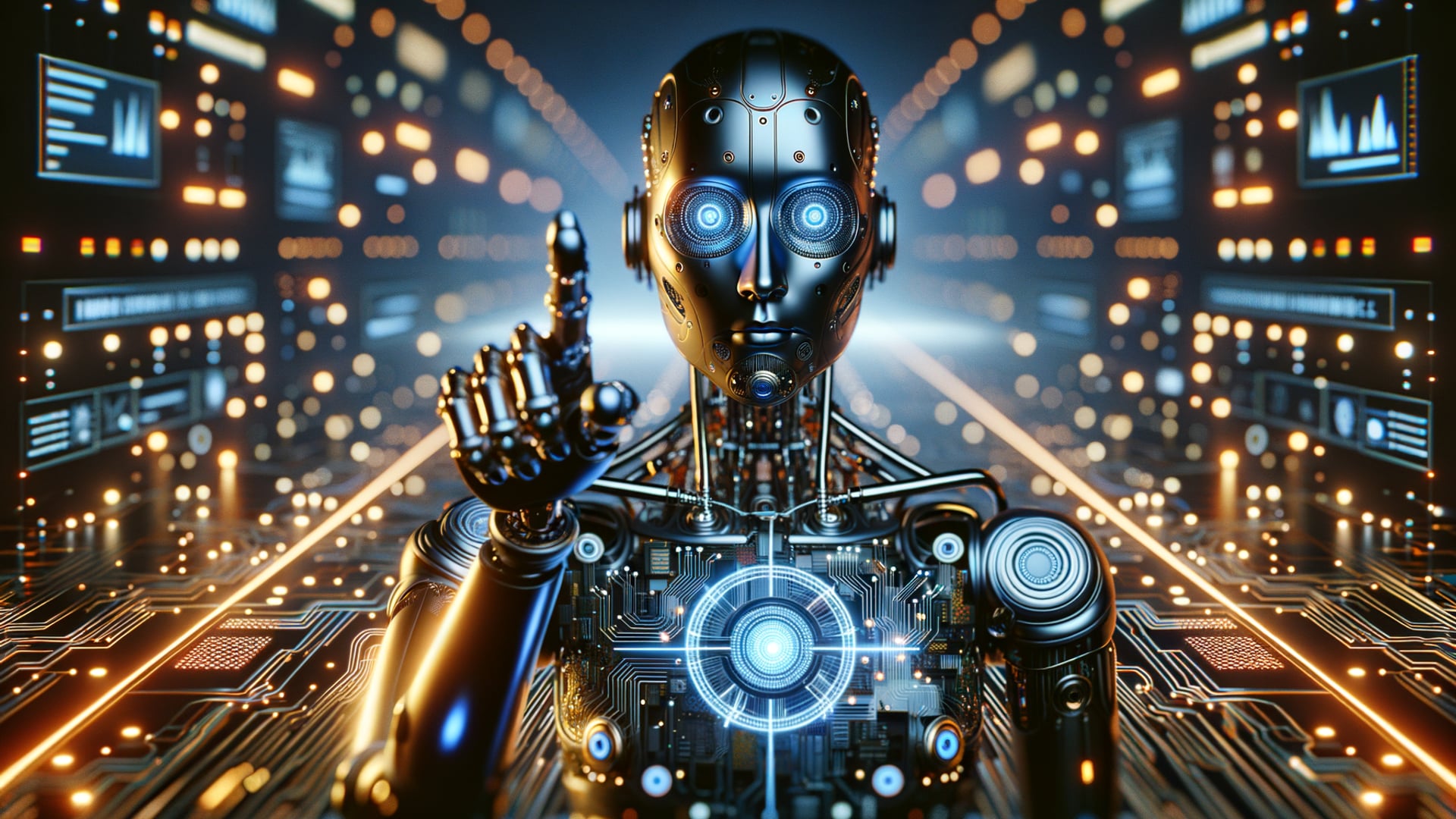
In a world where cyber threats are becoming increasingly sophisticated, the demand for innovative cybersecurity solutions has never been higher. With the rise of artificial intelligence (AI), the landscape of cybersecurity is evolving rapidly, and Israel stands at the forefront of this technological revolution. Known for its vibrant tech ecosystem and strong emphasis on cybersecurity, Israeli startups and established companies are leveraging AI to create cutting-edge solutions that protect against an array of cyber threats.
The intersection of AI and cybersecurity not only enhances the capabilities of security systems but also introduces a paradigm shift in how organizations approach their security strategies. By employing machine learning algorithms, predictive analytics, and automated response systems, companies can now respond to threats in real time, minimizing potential damage. This blog post will explore the top Israeli cybersecurity startups harnessing AI, present successful case studies, discuss best practices for integrating AI into existing security frameworks, and forecast future trends from Israeli innovators.
As we delve into this exciting topic, tech professionals, developers, startup founders, and CTOs alike will find valuable insights into the practical applications of AI in cybersecurity. From understanding the latest innovations to implementing best practices, this exploration will equip you with the knowledge to navigate the future of cybersecurity in an AI-driven landscape.
Overview of Top Israeli Cybersecurity Startups Leveraging AI
Israel is home to a plethora of innovative cybersecurity startups that are pushing the boundaries of what is possible with AI. One notable example is SentinelOne, which has developed an AI-driven endpoint protection platform that autonomously detects, responds to, and mitigates cyber threats. By employing machine learning algorithms, SentinelOne can analyze behavioral patterns and identify anomalies in real-time, providing businesses with robust protection against malware and ransomware attacks.
Another prominent player is Cybereason, which focuses on endpoint detection and response (EDR) solutions powered by AI. Their platform utilizes advanced machine learning techniques to offer predictive threat detection and automated response capabilities. This not only helps organizations to identify threats before they escalate but also allows for a swift response to incidents, minimizing downtime and potential losses.
Additionally, Check Point Software Technologies, a globally recognized leader in cybersecurity, has integrated AI into its threat prevention architecture. Their approach combines traditional signature-based detection with AI-driven heuristics to enhance the accuracy of threat identification. This dual approach significantly reduces false positives, allowing security teams to focus on genuine threats rather than spending time sifting through alerts.
Case Studies of Successful AI Implementations in Cybersecurity
To illustrate the real-world effectiveness of AI in cybersecurity, let’s examine a few case studies of Israeli companies that have successfully integrated AI into their security frameworks.
One compelling example is the collaboration between CyberArk and a major financial institution seeking to enhance its security. By deploying CyberArk's AI-powered Identity Security platform, the institution was able to significantly reduce the risk of insider threats. The platform leveraged machine learning to analyze user behavior and identify deviations from established patterns, enabling the organization to detect potential threats early and respond accordingly.
Another noteworthy case involves the Israeli startup Snyk, which specializes in open-source security. Snyk's platform uses AI to continuously monitor and analyze vulnerabilities in open-source components. By integrating AI-driven insights into their development lifecycle, companies can proactively identify and remediate security risks before they reach production. This has proven invaluable for organizations looking to maintain secure coding practices while leveraging open-source software.
In a different sector, the healthcare industry has also seen significant benefits from AI-driven cybersecurity solutions. For instance, Israeli company Armis specializes in IoT security, protecting connected devices in healthcare settings. By utilizing AI algorithms to monitor device behavior, Armis can quickly identify anomalies that may indicate a cyber attack, ensuring the safety and security of sensitive patient data.
Best Practices for Integrating AI into Existing Security Frameworks
Integrating AI into your existing cybersecurity framework can be a transformative experience, but it requires careful planning and execution. Here are some best practices to consider when embarking on this journey.
Firstly, it is essential to start with a thorough assessment of your current security posture. Understanding existing vulnerabilities, risk factors, and the overall threat landscape will enable you to identify where AI can add the most value. This assessment should include a review of existing tools, processes, and the skillsets of your security team.
Secondly, when selecting AI solutions, prioritize those that seamlessly integrate with your existing systems. Compatibility is crucial for ensuring that the new AI tools enhance rather than complicate your security operations. Look for platforms that offer APIs or pre-built integrations to facilitate this process.
Moreover, it is vital to invest in training your cybersecurity team on AI technologies. This includes understanding how AI algorithms work, how to interpret their outputs, and how to respond effectively to AI-generated alerts. Providing ongoing education ensures that your team remains adept at leveraging AI's capabilities and can make informed decisions based on its insights.
Future Trends in AI and Cybersecurity from Israeli Innovators
As we look forward, several trends are emerging in the realm of AI and cybersecurity, particularly among Israeli innovators. One notable trend is the increasing focus on automated threat response systems. As AI technologies continue to evolve, we can expect to see more sophisticated systems that can autonomously respond to threats with minimal human intervention.
Another trend is the application of AI in threat intelligence. Startups are developing platforms that utilize machine learning to analyze vast amounts of data from various sources, providing security teams with actionable insights about emerging threats. This proactive approach allows organizations to stay ahead of cybercriminals and better protect their assets.
Furthermore, the integration of AI with other technologies, such as blockchain, is gaining traction. Israeli companies are exploring how blockchain’s immutable ledger can enhance the security of AI systems, making them less susceptible to manipulation and ensuring data integrity. This convergence could lead to more secure and reliable AI-driven solutions.
Finally, the rise of explainable AI (XAI) is a significant trend to watch. As organizations increasingly rely on AI for decision-making, the need for transparency in AI processes becomes paramount. Israeli innovators are leading the charge in developing XAI systems that provide insights into how AI algorithms arrive at their conclusions, thereby fostering trust among security professionals.
Real-World Use Cases from the Israeli Tech Scene
To further illustrate the impact of AI on cybersecurity, let’s explore some real-world use cases from the thriving tech scene in Israel.
One significant instance is the use of AI by the Israeli Defense Forces (IDF) to bolster national security. The IDF utilizes AI systems to monitor network traffic and detect cyber threats targeting military infrastructure. By analyzing patterns and behaviors, these systems can identify potential attacks in real-time, ensuring the protection of sensitive data and operational capabilities.
In the financial sector, Israeli banks are increasingly adopting AI-driven fraud detection systems. Companies like Forter are at the forefront of this innovation, providing banks with solutions that use machine learning to analyze transaction data and identify fraudulent activity. This proactive approach not only enhances security but also improves the customer experience by reducing false declines.
Moreover, the telecommunications industry in Israel has seen significant advancements in AI-powered security solutions. Companies like Radware offer DDoS protection services that leverage AI to identify and mitigate malicious traffic in real-time. This capability is crucial for maintaining service availability and protecting the integrity of communication networks.
Lastly, the startup Illusive Networks has made waves with its deception-based security approach, utilizing AI to create deceptive environments that confuse and trap attackers. By mimicking legitimate assets, the platform can mislead cybercriminals, allowing organizations to detect intrusions early and respond effectively.
Actionable Insights and Takeaways
As the cybersecurity landscape continues to evolve, integrating AI into your security strategy is not just an option; it’s a necessity. The insights gleaned from Israeli innovators highlight the transformative potential of AI in enhancing cybersecurity capabilities.
First, organizations must remain vigilant about the evolving threat landscape and be proactive in adopting AI technologies that align with their specific needs. By leveraging AI-driven insights, companies can gain a competitive edge in threat detection and response.
Furthermore, fostering a culture of continuous learning and adaptation within your cybersecurity team is crucial. As AI technologies advance, keeping your team informed and skilled will ensure that they are equipped to handle the complexities of modern cyber threats.
Lastly, collaboration within the tech ecosystem can drive innovation and improve security outcomes. Engaging with Israeli startups and tech companies can provide organizations with access to cutting-edge solutions and best practices that can be tailored to their security frameworks.
Conclusion and Call to Action
In conclusion, the fusion of AI and cybersecurity presents a unique opportunity for organizations to enhance their security posture in an increasingly complex threat landscape. Israel's vibrant tech ecosystem is leading the charge in this innovation, with startups and established companies alike developing solutions that harness the power of AI.
As tech professionals, developers, and leaders in the industry, now is the time to explore how AI can be integrated into your cybersecurity strategies. Embrace the potential of AI-driven solutions, invest in your team's skills, and engage with the innovative Israeli tech scene to stay ahead of cyber threats.
Take action today by assessing your current cybersecurity framework and considering how AI can address your specific needs. The future of cybersecurity is here, and with the right approach, you can be at the forefront of this exciting transformation.


Comments
💬 Share your thoughts