Harnessing AI for Cybersecurity: Israel's Leading Edge
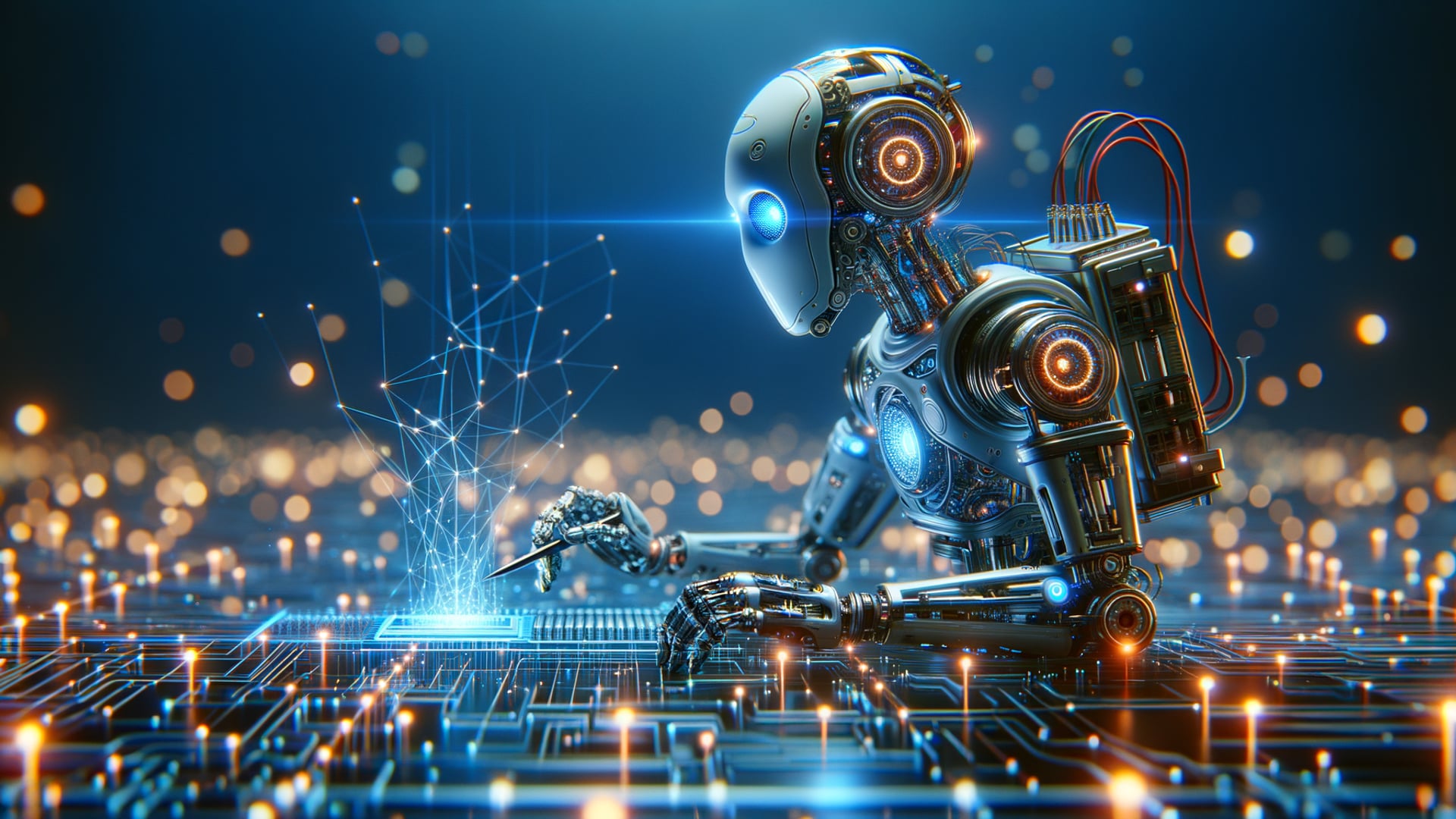
The integration of Artificial Intelligence (AI) into cybersecurity has transformed the landscape of digital security, particularly in Israel, a nation recognized for its prowess in technology and innovation. As cyber threats become more sophisticated, the urgency for advanced security measures has never been greater. Israeli cybersecurity firms are at the forefront of this revolution, leveraging AI to bolster defenses, streamline operations, and enhance threat detection capabilities.
From machine learning algorithms that can predict potential vulnerabilities to automated response systems that react in real-time to breaches, AI is reshaping how organizations protect their data. This blog post will dive deep into the innovative AI solutions being developed by Israeli cybersecurity firms, showcasing real-world case studies and practical examples that underline the successful implementation of AI in security frameworks. As we explore these developments, we'll also outline best practices for integrating AI into existing security infrastructures and discuss future trends that could redefine the cybersecurity landscape.
Israel's cybersecurity ecosystem is often considered a global powerhouse, with a multitude of startups and established companies pioneering cutting-edge technologies. The country's unique combination of military experience, entrepreneurial spirit, and advanced research capabilities has led to an explosion of startups focusing on AI-driven security solutions. As a result, Israel is not just responding to cyber threats; it is actively anticipating and neutralizing them before they can cause damage.
In this blog, we will uncover how AI innovations in Israeli cybersecurity firms are making a significant impact. We will provide case studies of successful implementations, best practices for integrating AI into existing security frameworks, and examine future trends in AI-driven cybersecurity solutions. This comprehensive exploration aims to equip tech professionals, developers, startup founders, and CTOs with actionable insights that can be leveraged in their organizations.
Overview of AI Innovations in Israeli Cybersecurity Firms
Israeli cybersecurity firms are pioneering various AI innovations that address a range of challenges in the cyber landscape. One of the most notable advancements is in the realm of threat intelligence, where AI systems are employed to analyze vast amounts of data from multiple sources. By doing so, these systems can identify patterns and anomalies that may indicate a security threat, allowing organizations to react swiftly and effectively.
For instance, companies like Cybereason utilize machine learning algorithms to detect sophisticated cyber threats that traditional security measures may overlook. Their platform analyzes user behavior and network traffic in real-time, pinpointing deviations that could signify a breach. This proactive approach ensures that security teams are not just reacting to threats but are equipped to anticipate them.
Moreover, AI is playing a pivotal role in automating incident response processes. Traditional methods often require significant human intervention, which can slow down reaction times during critical events. AI-driven solutions can automate threat detection, assessment, and response, enabling organizations to respond to incidents in real-time and minimizing potential damage. Firms like SentinelOne have developed autonomous response capabilities, where the system can isolate affected devices and initiate remediation processes without waiting for human input.
Another area where Israeli cybersecurity companies excel is in vulnerability management. By employing AI to assess the security posture of an organization, companies can identify weaknesses that could be exploited by attackers. This is particularly relevant for organizations with complex IT environments, where manual assessments can be labor-intensive and prone to oversight. Firms like QualiTech utilize AI to streamline vulnerability assessments, ensuring that organizations maintain a robust security posture.
Case Studies of Successful Implementations
Real-world implementations of AI in cybersecurity are not just theoretical; many Israeli firms have successfully integrated these technologies into their operations, resulting in enhanced security outcomes. One such example is the partnership between Check Point Software Technologies and a major financial institution, where AI was used to bolster the bank's defenses against rising cyber threats.
In this case, Check Point deployed an AI-driven security solution that monitored network traffic and user behavior. The AI system was trained on historical attack data, allowing it to recognize patterns indicative of potential threats. Within months of implementation, the bank reported a significant decrease in successful phishing attempts and malware infections, demonstrating the effectiveness of AI in real-time threat mitigation.
Another compelling example is the deployment of AI in the healthcare sector by a Tel Aviv-based startup, CyberMDX. Faced with the challenge of securing medical devices connected to hospital networks, CyberMDX implemented an AI-driven solution that continuously monitored device behavior. By analyzing data from connected medical devices, the system identified anomalies that could signal security breaches or operational failures. As a result, hospitals using CyberMDX reported improved patient safety and reduced downtime of critical medical equipment.
Additionally, an Israeli cybersecurity firm named Votiro has made waves with its innovative use of AI for content disarm and reconstruction (CDR). The firm developed an AI solution that inspects incoming files for potential malware while maintaining the integrity of the original content. This technology has been successfully implemented in various organizations, allowing them to safely process files from untrusted sources while minimizing the risk of cyber threats.
Best Practices for Integrating AI into Existing Security Frameworks
Integrating AI into existing security frameworks is not a straightforward task; it requires careful planning and execution. Organizations should start by defining clear objectives for what they hope to achieve with AI. This involves assessing current security measures, identifying gaps, and determining how AI can fill those gaps effectively.
Moreover, it is crucial to ensure that the AI systems being implemented are compatible with existing security infrastructure. This may involve working with vendors to customize solutions or even developing in-house capabilities that can seamlessly integrate with current tools. Testing these systems in a controlled environment before full deployment is essential to identify potential issues and mitigate risks.
Another best practice is to continuously train AI systems with diverse datasets. Cyber threats are constantly evolving, and AI models must adapt to recognize new attack vectors. Organizations should consider implementing a feedback loop where security teams can provide input on false positives and negatives, allowing the AI to learn and improve over time.
Additionally, fostering a culture of collaboration between IT and security teams can enhance the effectiveness of AI integration. Security professionals must be trained to understand the capabilities and limitations of AI systems, ensuring they can effectively leverage these tools in their daily operations.
Future Trends in AI-Driven Cybersecurity Solutions
The future of AI-driven cybersecurity solutions is poised for remarkable growth, with several trends emerging that will shape the landscape in the coming years. One significant trend is the increasing emphasis on predictive analytics, where AI not only detects threats but also anticipates them before they occur. This proactive stance will enable organizations to strengthen their defenses and reduce the likelihood of breaches.
Another trend to watch is the development of AI-driven security orchestration platforms. These systems will integrate multiple security tools and automate workflows to streamline incident response. By leveraging AI to correlate data from various sources, organizations can enhance situational awareness and reduce response times during security incidents.
Moreover, as organizations increasingly shift to cloud-based environments, AI will play a critical role in securing these infrastructures. Cloud security solutions powered by AI will provide real-time monitoring, automated compliance checks, and advanced threat detection tailored to the unique challenges posed by cloud environments.
Finally, ethical considerations surrounding AI in cybersecurity will become more prominent. As AI systems become more autonomous, ensuring transparency and accountability in their decision-making processes will be essential. Organizations will need to establish guidelines and frameworks to govern the ethical use of AI in cybersecurity, addressing concerns about bias, privacy, and security.
Practical Examples with Code Snippets
To illustrate how AI can be integrated into cybersecurity solutions, let’s consider a simple example of using a machine learning model to detect anomalies in network traffic. Below is a Python code snippet that demonstrates how to use the Scikit-learn library to train a model on network traffic data.
# Import necessary libraries
import pandas as pd
from sklearn.ensemble import IsolationForest

# Load network traffic data
data = pd.read_csv('network_traffic.csv')

# Select features for the model
features = data[['feature1', 'feature2', 'feature3']]

# Initialize the Isolation Forest model
model = IsolationForest(contamination=0.1)

# Fit the model to the data
model.fit(features)

# Predict anomalies
data['anomaly'] = model.predict(features)

# Flag anomalies for review
anomalies = data[data['anomaly'] == -1]
print(anomalies)
This code snippet demonstrates a basic approach to anomaly detection in network traffic data using the Isolation Forest algorithm. By training the model on historical traffic data, organizations can identify unusual patterns that may indicate a security threat.
Another practical example is implementing a simple automated response mechanism using AI to isolate an infected device on a network. Below is a conceptual example using Python and pseudo-code to illustrate how an AI system might respond to a detected threat.
# Function to isolate a compromised device
def isolate_device(device_ip):
    # Command to isolate the device from the network
    command = f"ifconfig {device_ip} down"
    os.system(command)  # Execute the command
    print(f"Device {device_ip} has been isolated.")

# Simulate threat detection
detected_threat = True
compromised_device_ip = '192.168.1.10'

if detected_threat:
    isolate_device(compromised_device_ip)
This example showcases a simple mechanism where, upon detecting a threat, the system automatically executes a command to isolate the compromised device, thereby preventing further damage. Such automated responses are crucial in minimizing the impact of security incidents.
Real-World Use Cases from Israeli Tech Scene
The Israeli tech scene is rife with successful implementations of AI-driven cybersecurity solutions. One notable case is that of Guardicore, which specializes in micro-segmentation and threat detection. The company successfully implemented its AI-based solution in a large retail organization, significantly reducing the attack surface by isolating sensitive data and applications.
Guardicore's platform uses AI to analyze application behavior and network traffic patterns, allowing it to automatically enforce security policies. The implementation resulted in a 90% reduction in lateral movement within the network, showcasing the effectiveness of AI in enhancing security measures.
Another compelling example is the work done by Argus Cyber Security, which focuses on protecting connected vehicles. By utilizing AI, Argus developed a solution that continuously monitors vehicle systems for anomalies. When a potential threat is detected, the system can automatically initiate countermeasures, such as alerting the driver or disabling certain functions to ensure safety.
Furthermore, the Israeli startup, Perimeter 81, has integrated AI into its cloud security solutions. Their platform utilizes AI to assess user behavior and dynamically adapt access controls based on risk levels. This innovative approach has proven effective in securing remote access for organizations, particularly in the wake of the COVID-19 pandemic, where remote work has become the norm.
Lastly, the collaboration between the Israel Defense Forces (IDF) and private cybersecurity firms has led to the development of innovative AI solutions for national security. The IDF has implemented AI-driven threat intelligence systems that analyze data from various sources, including social media and dark web forums, to predict potential security threats. This proactive stance has enhanced Israel's national cybersecurity posture significantly.
Actionable Insights and Takeaways
As we navigate the complex landscape of cybersecurity, leveraging AI presents a unique opportunity for organizations to enhance their security measures. The key insights from this exploration include the importance of defining clear objectives for AI integration, ensuring compatibility with existing infrastructures, and fostering collaboration among teams.
Moreover, continuous training and adaptation of AI systems are essential to keep pace with the evolving threat landscape. Organizations must implement feedback loops to allow security teams to provide input on the performance of AI-driven tools, ensuring they remain effective and relevant.
In addition, staying informed about emerging trends in AI-driven cybersecurity, such as predictive analytics and automated incident response, will be crucial for organizations looking to maintain a competitive edge. As the cybersecurity landscape continues to evolve, embracing AI will be vital for organizations seeking to safeguard their digital assets.
Conclusion and Call to Action
In conclusion, AI is revolutionizing the cybersecurity landscape in Israel and beyond. With innovations emerging from Israeli firms, organizations now have access to powerful tools that can enhance threat detection, automate responses, and fortify their defenses against an ever-evolving array of cyber threats.
As tech professionals, developers, and startup founders, the time to embrace AI in cybersecurity is now. By leveraging the insights and best practices outlined in this blog, organizations can position themselves to effectively integrate AI into their security frameworks and stay ahead of potential threats.
We encourage you to explore AI-driven solutions for your organization, engage with the vibrant Israeli tech community, and consider how you can contribute to shaping the future of cybersecurity. The journey towards a more secure digital landscape begins with informed decisions and proactive measures—let's harness the power of AI together.


Comments
💬 Share your thoughts