Leveraging AI Chatbots for Israeli SMBs: A How-To Guide
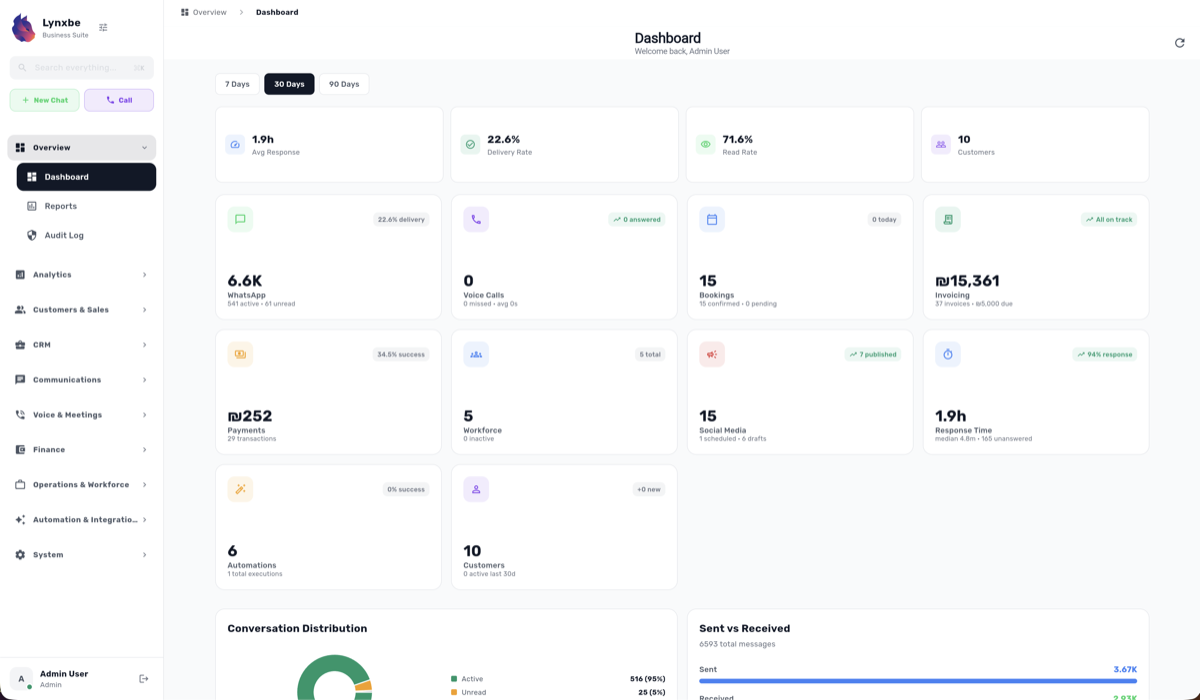
In the fast-paced world of technology, Israeli small and medium-sized businesses (SMBs) are constantly seeking innovative solutions to improve customer engagement and operational efficiency. One of the most transformative tools available today is the AI chatbot, particularly when integrated with platforms like WhatsApp Business API. By leveraging these technologies, SMBs can not only enhance their customer interaction but also streamline their internal processes.
The digital landscape in Israel is vibrant, with a plethora of startups and established companies harnessing the power of AI to stay competitive. The integration of AI chatbots allows businesses to provide instant responses to customer inquiries, manage bookings, and even handle complaints—all while maintaining a human touch. This guide aims to walk you through the fundamental steps of integrating AI chatbots with WhatsApp, share best practices for customer engagement, and highlight successful case studies from Israeli SMBs.
As we delve into this guide, our goal is to equip you with practical insights and actionable strategies that can be implemented right away. Whether you are a tech professional, a developer, or a startup founder, understanding how to effectively utilize AI chatbots can dramatically enhance your business operations and customer satisfaction.
Step-by-Step Guide to Integrating AI Chatbots with WhatsApp Business API
To begin your journey in leveraging AI chatbots, the first step is to understand the WhatsApp Business API. This API is designed for medium and large businesses, allowing them to communicate with their customers at scale. Here's a step-by-step guide to help you get started with integration.
First, you need to apply for access to the WhatsApp Business API. This involves creating a Facebook Business Manager account if you don't already have one. Once your account is set up, you can request API access. During this process, you'll need to provide details about your business and how you plan to use the API.
After gaining access, the next step is to set up a server to host your chatbot. You can do this using cloud providers like AWS, Google Cloud, or even locally if you prefer. Your server must be able to handle HTTPS requests, as WhatsApp requires secure connections. Here's an example of a basic server setup using Flask, a popular Python web framework:
from flask import Flask, request

app = Flask(__name__)

@app.route('/webhook', methods=['POST'])
def webhook():
    data = request.json
    print(data)  # Log incoming messages
    return '', 200

if __name__ == '__main__':
    app.run(debug=True, port=5000)
In the code above, we create a simple Flask application that listens for incoming POST requests on the '/webhook' endpoint. This is where WhatsApp will send messages directed to your business. You can expand this server to include functions that will process messages and respond accordingly.
The next step is to link your chatbot to a messaging service provider. Several companies offer platforms that facilitate the integration of AI chatbots with WhatsApp. Services like Twilio or MessageBird can be used to manage the messaging flow and handle the API calls. After registering with a provider, you'll obtain an API key that you can use to connect your server to WhatsApp.
Once you have your server and messaging service set up, you can begin developing your chatbot's intelligence. You can use NLP (Natural Language Processing) libraries such as Rasa, Dialogflow, or Microsoft Bot Framework to create a conversational agent that understands and responds to user queries. These platforms allow you to train your bot using predefined intents and entities specific to your business context.
Best Practices for Customer Engagement Using AI
Customer engagement is pivotal for any business aiming to thrive in the digital age. With AI chatbots, the ability to engage effectively can elevate customer satisfaction and loyalty. Here are some best practices to consider when deploying AI chatbots.
Firstly, ensure that your chatbot provides immediate responses. Customers expect quick answers to their queries, and any delay can lead to frustration. Implementing a well-structured FAQ can help your chatbot answer common questions promptly. For instance, if you run a retail business, your chatbot can automatically respond with product availability and pricing information.
Secondly, maintain a human-like conversational tone. While chatbots are automated, they should not feel robotic to users. Utilizing natural language processing can help your bot understand user intent better and respond in a way that feels personal. This can include using the customer's name and adapting the conversation based on past interactions.
Additionally, always provide an option for users to connect with a human agent. There will be instances where the chatbot may not have the answer or where the user prefers to speak with a human. Incorporating a seamless transition to a live chat agent can enhance user experience and prevent frustration.
Another key practice is to continuously analyze and improve your chatbot's performance. Use analytics tools to track interactions and identify areas where your bot may be falling short. Regularly updating your chatbot based on user feedback will help maintain its relevance and efficiency.
Case Studies from Israeli SMBs Successfully Using Chatbots
The success stories of Israeli SMBs leveraging AI chatbots are numerous and inspiring. One notable example is a Tel Aviv-based startup, "Gett," which utilizes a chatbot to manage customer inquiries about their ride-hailing service. By integrating their chatbot with WhatsApp, Gett was able to provide real-time updates about ride availability and pricing, significantly improving response times and customer satisfaction.
Another example is "Wolt," a food delivery service that has effectively used chatbots to streamline order management. Wolt's chatbot assists customers in placing orders, tracking deliveries, and resolving issues. By automating these processes, Wolt has seen a reduction in customer support workload and increased order accuracy.
Moreover, “MyHeritage,” a genealogy and DNA testing company based in Israel, has utilized chatbots to engage users with personalized messages. Their chatbot not only assists in customer onboarding but also provides tailored recommendations based on user preferences, leading to higher engagement and retention rates.
These case studies highlight the diverse applications of chatbots across different sectors in Israel. The common thread among them is the focus on enhancing user experience through automation and timely responses, which ultimately drives business growth.
Automation Strategies to Enhance Operational Efficiency
Integrating AI chatbots into your business operations can significantly enhance efficiency through automation. One effective strategy is to automate routine tasks such as appointment scheduling. By allowing customers to book appointments directly through the chatbot, businesses can reduce the administrative burden on their staff and minimize scheduling conflicts.
Another strategy is to use chatbots for customer feedback collection. Instead of relying on manual surveys, businesses can automate the feedback process by prompting customers to provide reviews after interactions. This not only saves time but also ensures that businesses receive timely insights into customer experiences.
Utilizing chatbots for internal operations can also drive efficiency. For example, companies can deploy chatbots to assist employees with HR-related queries, such as leave balances or policy information. This reduces the time HR staff spends answering repetitive questions and allows them to focus on more strategic tasks.
Finally, integrating chatbots with CRM (Customer Relationship Management) systems can provide a holistic view of customer interactions. By syncing chatbot data with CRM tools, businesses can track customer journeys and tailor their marketing efforts accordingly, leading to improved engagement and conversion rates.
Best Practices and Tips for Implementation
While implementing AI chatbots can be highly beneficial, there are several best practices to keep in mind to ensure a successful deployment. Firstly, start small and gradually expand your chatbot's capabilities. Begin with a focused use case, such as answering FAQs or handling basic inquiries, before introducing more complex functionalities.
Secondly, invest in training your chatbot with diverse datasets. The more varied the training data, the better your bot will perform in understanding different user intents and contexts. This is particularly important in a multi-lingual country like Israel, where users may communicate in Hebrew, Arabic, or English.
Moreover, ensure that your chatbot is available across multiple platforms, not just WhatsApp. This multi-channel approach allows users to engage with your business through their preferred communication method, enhancing overall accessibility and convenience.
Lastly, prioritize user privacy and data security. As you collect data through your chatbot, it's vital to comply with regulations such as GDPR and local data protection laws. Ensure that your users are aware of how their data will be used and provide them with options to manage their privacy settings.
Actionable Insights and Takeaways
The integration of AI chatbots into Israeli SMBs is not just a trend; it represents a vital shift in how businesses operate and interact with customers. By following the steps outlined in this guide, you can effectively implement chatbots within your organization, enhancing both customer engagement and operational efficiency.
Remember to start with a clear strategy, focusing on specific use cases that address your business needs. Utilize the insights gained from successful case studies to tailor your chatbot to your audience and industry. Regularly evaluate performance and make necessary adjustments based on user feedback and analytics.
Furthermore, consider the broader implications of chatbot technology on your business model. As customer expectations evolve, staying ahead of the curve by adopting AI-driven solutions will be key to maintaining a competitive edge.
Conclusion and Call to Action
In conclusion, AI chatbots present a unique opportunity for Israeli SMBs to enhance customer engagement and streamline operations. By leveraging the power of the WhatsApp Business API and following best practices for chatbot implementation, businesses can create a more efficient and responsive customer service experience.
As you consider integrating chatbots into your business, take the first step by assessing your specific needs and identifying a suitable platform for development. Engage with your team to brainstorm potential use cases, and don't hesitate to seek expert assistance if needed. The future of customer engagement is here, and now is the time to embrace it.
For additional resources, insights, and support, consider reaching out to Lynxbe, where we specialize in helping businesses like yours navigate the complexities of AI and software development. Together, we can drive your business towards a more innovative and efficient future.

Comments
💬 Share your thoughts