Mastering US Sales Tax Compliance for Small Businesses
In an increasingly interconnected world, small businesses are navigating the complexities of sales tax compliance with greater urgency. For entrepreneurs in the United States, understanding the nuances of sales tax laws has become a pivotal aspect of running a successful venture. The landscape has been evolving rapidly, especially following the Supreme Court's decision in South Dakota v. Wayfair, Inc., which fundamentally changed the rules governing sales tax collection on e-commerce transactions.
With the rise of online sales and cross-border transactions, ensuring compliance with these regulations is no longer just a matter of good business practice; it is essential to avoid financial penalties and maintain customer trust. As a business owner, understanding the recent changes in sales tax laws is crucial. This understanding will not only safeguard your business from potential legal issues but will also enhance your overall operational efficiency.
This blog post aims to provide a comprehensive guide on mastering sales tax compliance for small businesses in the United States. We will delve into recent changes in sales tax laws, explore best practices for automating sales tax calculations, and discuss how to integrate compliance into your invoicing system. Additionally, we will highlight real-world use cases and practical examples, ensuring that you leave with actionable insights that can be implemented in your business.
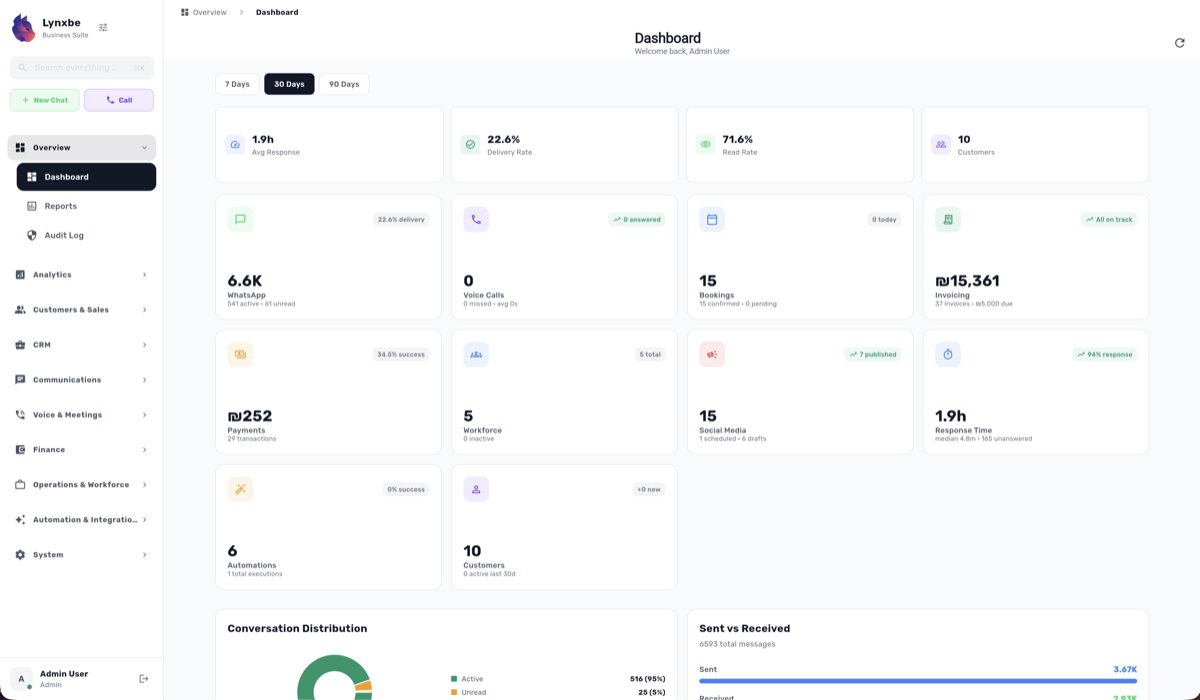
Moreover, we will spotlight Lynxbe, an all-in-one business platform that seamlessly integrates invoicing and payment solutions. By leveraging Lynxbe's features, you can automate your sales tax compliance processes, making it easier for you to focus on growing your business while staying compliant. Let’s embark on this journey to demystify sales tax compliance and empower your business for success.
In the wake of the Wayfair ruling, many small businesses found themselves grappling with new responsibilities regarding sales tax collection. The ruling allowed states to impose sales tax on out-of-state sellers based on their economic presence, fundamentally altering how sales tax is administered across the country. As a result, each state has the authority to establish its own nexus thresholds, complicating the compliance landscape for small businesses.
Additionally, the COVID-19 pandemic has accelerated e-commerce growth, further complicating sales tax compliance. Many states introduced temporary tax changes to adapt to the economic impact of the pandemic, creating an ever-shifting regulatory environment. For instance, states may have altered their tax rates or broadened their definitions of taxable goods and services. Understanding these changes is paramount for small business owners who wish to avoid costly mistakes.
To navigate this intricate landscape, business owners should stay informed about their state's sales tax laws and any recent changes. This may involve regularly checking state tax authority websites, subscribing to newsletters, or even consulting with tax professionals. Keeping abreast of these developments will empower you to make informed decisions and ensure compliance.
One of the most effective ways to manage sales tax compliance is through automation. Manual calculations can lead to errors and inefficiencies, especially as your business grows and the number of transactions increases. Implementing automated sales tax calculation software can save time, reduce errors, and ensure that you are consistently charging the correct sales tax rates.
When selecting an automation solution, look for features that allow for real-time calculations, integration with your existing sales platforms, and regular updates to tax rates based on the latest regulations. Lynxbe offers comprehensive solutions that simplify this process, allowing you to focus on what matters most: running your business.
Integrating sales tax compliance into your invoicing system is another critical step that can streamline operations. By incorporating sales tax calculations directly into your invoicing process, you not only ensure accuracy but also enhance your overall customer experience.
Lynxbe’s invoicing and payment feature enables you to issue tax invoices and receipts effortlessly. With this tool, you can automatically calculate taxes based on the customer’s location, ensuring that the correct rates are applied every time. Additionally, Lynxbe provides online payment links and subscription billing options, making it easier for your customers to complete transactions while you maintain compliance.
To illustrate how this works, let’s consider a practical example. Suppose you run an online retail store that sells furniture and home goods. You have customers across several states, each with different sales tax rates. By utilizing Lynxbe's invoicing and payment features, you can automatically calculate the sales tax for each customer based on their shipping address, ensuring compliance without manual intervention.
Now, let’s take a look at a real-world case study. A small e-commerce company specializing in handmade crafts faced challenges with sales tax compliance as its customer base expanded across state lines. Initially, the owner attempted to manage sales tax manually, leading to inconsistent calculations and missed filings. This approach not only consumed valuable time but also resulted in penalties from various states.
Upon implementing Lynxbe’s all-in-one platform, the business owner was able to automate sales tax calculations based on the customer's location. The invoicing feature automatically included the correct sales tax in each invoice, significantly reducing the risk of errors. As a result, the business not only improved its compliance rates but also saved time and resources that could be redirected toward growth initiatives.
Another example comes from a service-based business that operates in multiple states. The owner was uncertain about how to charge sales tax for services rendered, as regulations varied widely. By integrating Lynxbe’s invoicing system, the owner could easily navigate these complexities. The system provided guidance on which services were taxable in each state, allowing for accurate invoicing and improved customer satisfaction.
As we explore further, it becomes clear that small businesses can enhance their sales tax compliance through best practices. First and foremost, maintain organized records of all transactions, including invoices, receipts, and tax filings. This documentation is crucial for audits and can help you track your sales tax obligations more effectively.
Additionally, invest in ongoing education and training for yourself and your team. Understanding the intricacies of sales tax regulations can empower you to make informed decisions and adapt to changes more swiftly. Consider attending workshops, webinars, or industry conferences that focus on tax compliance and e-commerce best practices.
Another actionable tip is to regularly review your sales tax processes. As your business grows, so too will your sales tax obligations. Periodically assessing your compliance strategy will help identify any gaps or areas for improvement, ensuring that you remain compliant as regulations evolve.
Ultimately, adopting a proactive approach to sales tax compliance will save your business time, money, and potentially costly legal issues down the line. By leveraging technology like Lynxbe, you can automate complex processes, allowing for easy management of your sales tax obligations while focusing on your core business activities.
In summary, mastering sales tax compliance requires a multifaceted approach that includes understanding the latest regulations, automating calculations, and integrating compliance into your invoicing system. By staying informed and leveraging tools like Lynxbe, small business owners can navigate this complex landscape with confidence.
To effectively solve the challenges of sales tax compliance, follow these actionable steps utilizing Lynxbe:
Step-by-Step Guide to Solving Sales Tax Compliance with Lynxbe
First, begin by setting up your account in Lynxbe. Ensure you input your business details, including your location and the locations where you have nexus. This will provide a foundation for accurate tax calculations.
Next, utilize the invoicing feature to issue tax invoices and receipts. Lynxbe allows you to automatically calculate the appropriate sales tax based on customer location, ensuring compliance without manual calculations.
In addition, take advantage of the online payment links feature. This allows your customers to pay directly through the invoice, streamlining the payment process while ensuring that sales tax is correctly applied.
Lastly, use the expense tracking feature to monitor your sales tax obligations. This will help you stay organized and prepared for tax filings, providing an overview of your sales tax collected and due.
By following these steps with Lynxbe, you can simplify your sales tax compliance process and minimize the risk of errors, all while focusing on the growth and success of your business.
As we conclude this guide, it’s clear that sales tax compliance is a critical component of running a successful small business in the evolving landscape of e-commerce. By understanding the recent changes in sales tax laws, implementing best practices, and leveraging tools like Lynxbe, you can navigate these challenges with ease.
We encourage you to take action today. Explore the comprehensive modules offered by Lynxbe, including invoicing and payment solutions, to enhance your business operations. For more details on the features available, visit Lynxbe Modules or check out the various pricing plans at Lynxbe Pricing.




Comments
💬 Share your thoughts