Streamlining US Sales Tax Compliance for Small Businesses

The world of sales tax compliance is ever-evolving, especially for small businesses operating in the United States. As a business owner, staying abreast of the latest changes in sales tax laws can be an overwhelming task. With each state having its own set of rules and regulations, how can small businesses ensure they remain compliant while also focusing on growth? The answer lies in streamlining processes and leveraging technology to simplify sales tax compliance. In this article, we will explore how recent changes in US sales tax laws impact small businesses and offer practical solutions to streamline compliance.
Over the past few years, significant changes have occurred in the landscape of sales tax, particularly following the Supreme Court's 2018 decision in South Dakota v. Wayfair, Inc. This ruling allowed states to impose sales tax on out-of-state sellers, even if they had no physical presence in the state. Consequently, small businesses that sell products online must now navigate a complex web of state laws, potentially leading to compliance issues and unexpected costs. Understanding these changes is crucial for small businesses that wish to avoid costly penalties while maximizing their market reach.
In this blog post, we will delve into how small businesses can automate sales tax calculations within their invoicing systems, the benefits of adopting an integrated platform for tax compliance and reporting, and how analytics can be utilized to track sales tax obligations effectively. By the end of this article, you will be equipped with actionable insights to streamline your sales tax compliance process, making it less of a burden and more of a manageable task.
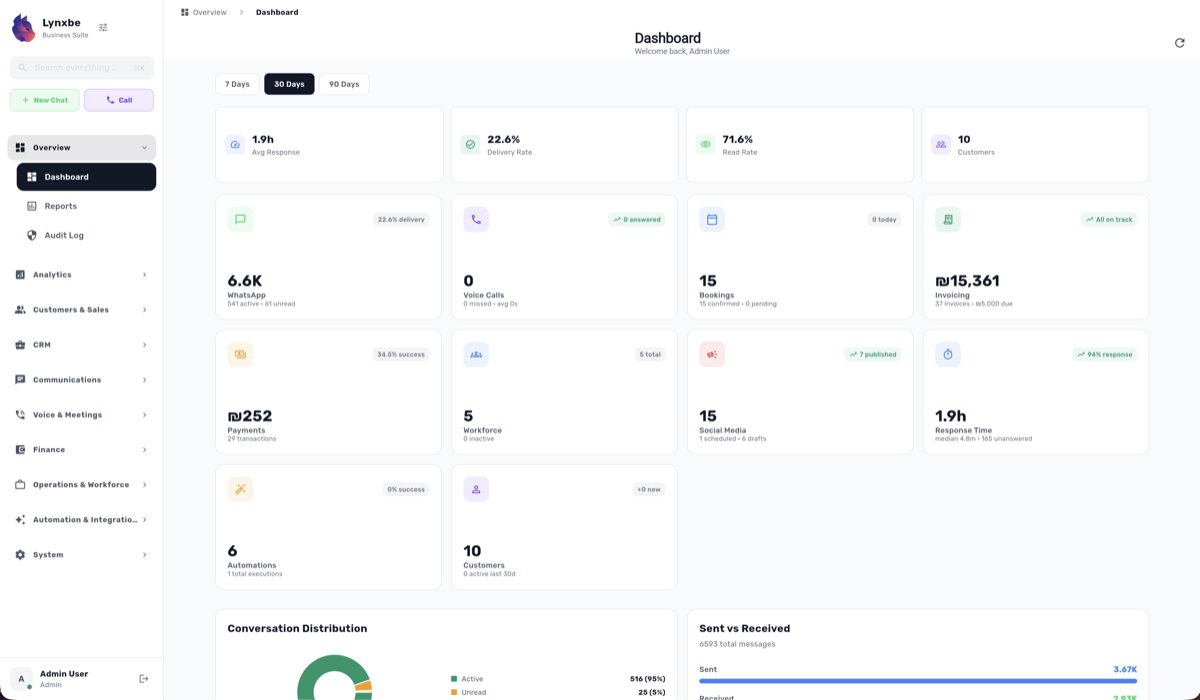
As we explore these topics, we will also introduce Lynxbe, an all-in-one business platform that offers tools to simplify invoicing, payments, analytics, and more. Lynxbe brings together various modules designed to help small businesses thrive in a competitive marketplace, making it easier to handle sales tax compliance and related tasks efficiently.
Understanding Recent Changes in US Sales Tax Laws
The Wayfair decision has led to a plethora of changes regarding sales tax compliance. States are now implementing economic nexus laws, which require businesses to collect sales tax based on sales revenue or the number of transactions in a state. This means that even if a business sells a small amount in a particular state, it may still have a sales tax obligation. As a result, small businesses must be vigilant in monitoring their sales across different states to determine where they have nexus.
Additionally, the complexity of sales tax rates has increased. Each state can set its own sales tax rate, and many local jurisdictions can impose additional taxes. This results in a myriad of rates that can change frequently, making it challenging for small business owners to keep track. For example, a small business selling clothing may find that the tax rate varies significantly depending on the state or even the city where the sale occurs.
To compound these challenges, many states have introduced marketplace facilitator laws, which require platforms like Amazon or eBay to collect and remit sales tax on behalf of sellers. While this eases the burden for some businesses, it can create confusion regarding who is responsible for compliance. Understanding these nuances is critical for small business owners who want to avoid legal pitfalls and ensure they remain compliant with the law.
Automating Sales Tax Calculations Within Your Invoicing System
One of the most effective ways to manage sales tax compliance is through automation. By integrating sales tax calculations directly into your invoicing system, you can eliminate the guesswork and manual calculations that often lead to errors. Automation minimizes the risk of human error, ensuring that the correct sales tax rates are applied to each transaction based on the customer's location.
With a platform like Lynxbe, small business owners can implement automated sales tax calculations seamlessly. When issuing an invoice, the system can automatically determine the applicable sales tax rate based on the delivery address entered by the customer. This not only saves time but also enhances accuracy in your invoicing processes.
For example, consider a business that sells handmade goods online. When a customer from California makes a purchase, Lynxbe's invoicing module can recognize the location and apply the correct state and local tax rates. The automated process ensures the business collects the appropriate sales tax and remits it to the state, significantly reducing the administrative burden on the owner.
Moreover, automation doesn't just stop at calculations; it extends to record-keeping as well. With Lynxbe, all transactions, including sales tax collected, are automatically recorded and organized. This makes it easier to generate reports for filing tax returns, ensuring compliance is both efficient and straightforward.
Benefits of an Integrated Platform for Tax Compliance and Reporting
Using an integrated platform like Lynxbe offers numerous benefits for small businesses when it comes to sales tax compliance. One of the most significant advantages is the ability to centralize all business operations within a single ecosystem. This means that invoicing, payments, customer relationship management, and analytics can all be managed from one place, reducing the need for multiple software solutions.
Having all the necessary tools in one platform streamlines communication and data sharing across different departments. For example, the sales team can easily access customer transaction histories, while the finance team can pull sales tax reports without needing to switch between applications. This seamless integration reduces the risk of miscommunication and ensures everyone is on the same page regarding sales tax obligations.
Additionally, an integrated platform can provide real-time updates regarding changes in sales tax laws. Lynxbe, for instance, can offer alerts when tax rates change or when new regulations are introduced in specific states. Keeping business owners informed allows them to adapt quickly and make necessary adjustments to their sales tax processes.
Moreover, having access to comprehensive reporting features can help businesses better understand their sales tax obligations. By analyzing sales trends and tax liabilities, small businesses can identify areas of improvement and ensure timely payments. This proactive approach to compliance can prevent costly fines and penalties, allowing businesses to focus on growth rather than compliance headaches.
Utilizing Analytics to Track Sales Tax Obligations and Compliance
In the digital age, data-driven decision-making has never been more crucial. Small businesses can leverage analytics to monitor their sales tax obligations effectively. With Lynxbe’s analytics module, business owners can access vital information regarding their sales performance, tax collected, and compliance status in real-time.
For instance, a small retailer can generate reports that show sales by state and the corresponding sales tax collected. This can help the business identify states where it may need to register for sales tax collection due to economic nexus laws. By analyzing this data, the retailer can take proactive steps to ensure compliance before it becomes an issue.
Moreover, Lynxbe’s analytics capabilities allow businesses to track growth trends over time. By understanding how sales fluctuate across different regions, business owners can anticipate changes in their tax obligations and plan accordingly. This foresight can help mitigate risks and ensure that businesses are prepared for any shifts in the regulatory landscape.
Additionally, analytics can provide insights into customer purchasing behavior, which can inform sales strategies. For example, if a business notices a surge in sales from a particular state, it may consider expanding its marketing efforts in that region to capitalize on the trend. This not only enhances sales potential but also ensures that the business remains compliant with sales tax regulations in those areas.
Real-World Use Cases from Businesses in the US, the UK, and Europe
To illustrate the impact of streamlined sales tax compliance processes, let’s look at some real-world use cases of businesses that have successfully navigated the complexities of sales tax regulations.
A small e-commerce retailer based in the US selling eco-friendly products faced challenges when navigating sales tax compliance after the Wayfair decision. By adopting Lynxbe’s all-in-one platform, they automated their sales tax calculations and invoicing processes. This integration allowed them to expand their customer base across several states without the fear of compliance issues, ultimately leading to a 25% increase in revenue within a year.
In another example, a UK-based subscription box service struggled with managing VAT compliance across Europe. By utilizing Lynxbe’s analytics module, they were able to track their sales by country and ensure they were charging the appropriate VAT rates. This proactive approach not only simplified their compliance but also helped them avoid penalties, saving them thousands of dollars annually.
A European software company recently transitioned to a remote-first model, expanding its customer base across multiple countries. With Lynxbe, they could effectively manage their invoicing and payments while ensuring compliance with various tax regulations. The integrated platform allowed them to adapt quickly to changes in tax laws, resulting in improved efficiency and less time spent on compliance-related tasks.
These examples highlight the importance of leveraging technology to streamline sales tax compliance. By automating processes and utilizing analytics, businesses can navigate the complexities of sales tax regulations and focus on growth instead of compliance worries.
Best Practices and Tips for Sales Tax Compliance
As you work to streamline your sales tax compliance processes, consider implementing the following best practices to enhance your efficiency:
Firstly, always stay informed about changes in sales tax laws. Subscribe to newsletters or join industry groups that provide updates regarding tax regulations specific to your state or country. Knowledge is power, and being proactive will help you avoid compliance issues.
Secondly, invest in an integrated platform like Lynxbe that offers comprehensive solutions for invoicing, payments, and analytics. This will not only simplify your processes but also provide you with the tools necessary to stay compliant and track your sales tax obligations effectively.
Lastly, regularly review your sales data to identify trends and shifts in your business. Utilize analytics to understand where you have nexus and make adjustments to your compliance strategies accordingly. This will ensure you are always prepared for any changes in the regulatory environment.
Actionable Insights and Takeaways
In conclusion, streamlining US sales tax compliance for small businesses is not just about avoiding penalties; it's about enabling growth and ensuring long-term sustainability. By understanding recent changes in sales tax regulations, automating calculations, and utilizing integrated platforms like Lynxbe, businesses can simplify their compliance processes.
Moreover, leveraging analytics allows business owners to track their obligations effectively and make informed decisions to boost their bottom line. The right tools and strategies will empower small businesses to navigate the complexities of sales tax with confidence and ease.
As you consider your next steps in enhancing your sales tax compliance, remember that Lynxbe offers a comprehensive suite of modules designed to help you manage invoicing, payments, and analytics all in one place. This integrated approach not only streamlines compliance but also positions your business for future growth.
Conclusion and Call to Action
As you embark on your journey to streamline sales tax compliance, take advantage of the resources available through Lynxbe. Explore our invoicing and payments module to automate your tax calculations and ensure accurate invoicing. Utilize our robust analytics capabilities to gain insights into your sales tax obligations and make data-driven decisions.
Ready to simplify your sales tax compliance and focus on growing your business? Visit Lynxbe Modules to discover how our platform can help. Check out our pricing plans at Lynxbe Pricing to find the right solution for your business needs. Together, we can navigate the complexities of sales tax compliance and drive your business forward.



Comments
💬 Share your thoughts