Maximizing WhatsApp Business API for Israeli SMBs
In the dynamic landscape of digital communication, WhatsApp has emerged as one of the most potent tools for businesses to connect with their customers. The WhatsApp Business API, in particular, provides a robust platform for small and medium-sized businesses (SMBs) to enhance their customer engagement strategies. For Israeli SMBs, the opportunity to leverage this powerful messaging platform cannot be overstated. As the startup nation, Israel is home to a burgeoning tech scene, making it crucial for local businesses to integrate innovative solutions like the WhatsApp Business API to stay competitive.
The WhatsApp Business API allows companies to communicate with their customers at scale, providing a way to automate responses, send notifications, and engage in personalized conversations. Given the high penetration of WhatsApp in Israel, where over 80% of the population uses the app, it is an invaluable tool for enhancing customer experience and driving sales. This blog will explore the features of the WhatsApp Cloud API, guide you through integrating it with your CRM systems, showcase real-world cases of successful implementations, and offer best practices for maximizing customer interactions.
As we delve deeper into the capabilities of the WhatsApp Business API, it is essential to understand its core features that set it apart from traditional communication tools. The API not only allows for two-way communication, enabling businesses to respond to customer inquiries seamlessly, but it also supports rich media formats. Businesses can send images, documents, and even audio files, creating a more engaging experience for customers. Furthermore, the API supports automated messaging, which is particularly useful for handling frequently asked questions or sending out promotional messages.
With a solid understanding of the WhatsApp Business API, let’s take a look at how Israeli SMBs can implement it effectively. The process begins with obtaining access to the WhatsApp Business API through a service provider or directly from Meta. Once you have access, integrating the API with your existing CRM system is crucial for ensuring a streamlined workflow. The integration process will be outlined step-by-step, allowing businesses to set up their WhatsApp messaging capabilities in no time.
Overview of WhatsApp Cloud API Features for Businesses
The WhatsApp Cloud API is packed with features designed to facilitate effective communication between businesses and their customers. One of the standout features is the ability to send and receive messages in real-time, allowing businesses to respond promptly to customer inquiries. This immediacy helps improve customer satisfaction and fosters a sense of reliability.
Another notable feature is the support for rich media. Businesses can engage customers not just through text, but also via images, videos, and documents. For example, a fashion retailer can send customers a lookbook or a discount coupon, while a travel agency can share brochures or destination guides directly through the app. This capability can enhance the shopping experience and provide customers with valuable information at their fingertips.
Additionally, the API supports interactive message templates. These templates allow businesses to create structured messages that can include buttons and quick replies, making it easier for customers to navigate through options or take action. For instance, a restaurant can send a menu with a button for making reservations, streamlining the customer’s journey.
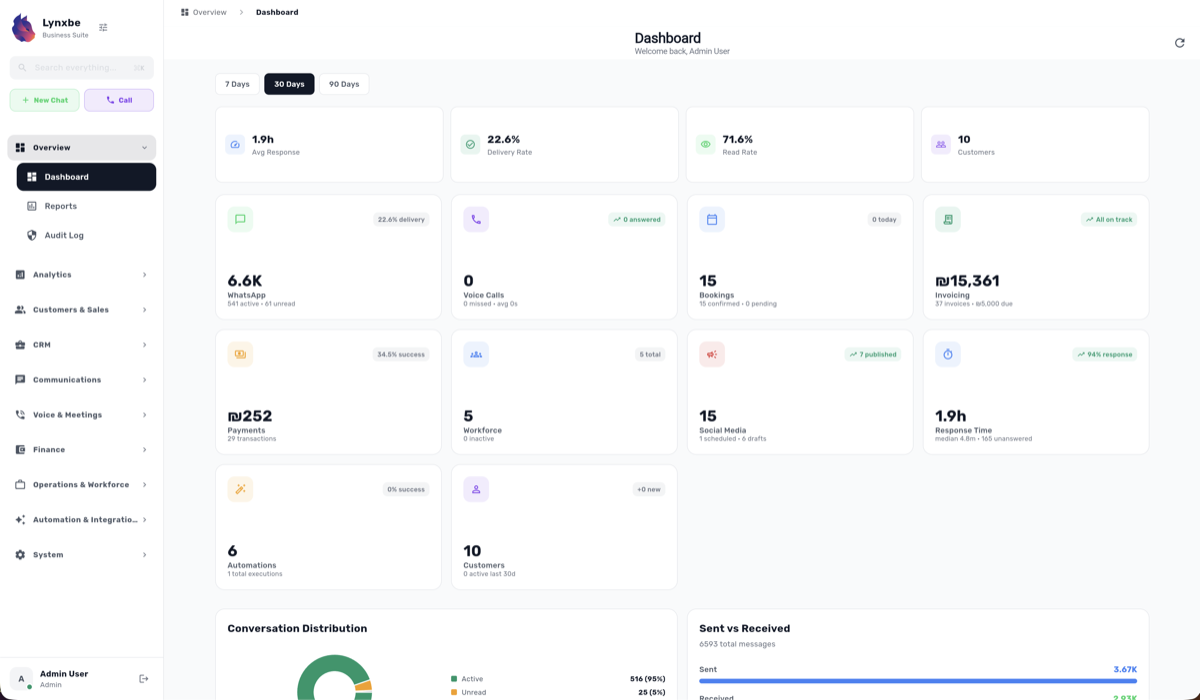
Moreover, the API provides businesses with analytics tools to track message delivery, read receipts, and response rates. These insights are invaluable for understanding customer behavior and optimizing communication strategies. By analyzing this data, businesses can tailor their messaging to better meet the needs of their audience, ensuring a higher engagement rate.
Step-by-Step Integration Guide for CRM Systems
Integrating the WhatsApp Business API with your CRM system can seem daunting, but with a systematic approach, it can be achieved smoothly. Here’s a step-by-step guide to get you started:
First, ensure you have access to the WhatsApp Business API. You can apply through WhatsApp’s official partners or directly via the Meta platform. Once you have access, you will receive an API key and a webhook URL, which are essential for connecting your CRM.
Next, you’ll want to set up a development environment. Choose a programming language that your team is comfortable with—many businesses opt for languages like Python or Node.js due to their robust libraries and frameworks. For this example, we’ll use Python.
To get started with integration, you’ll need to install the necessary libraries. Use pip to install the requests library, which will allow you to send HTTP requests to the WhatsApp API:
# Install requests library
pip install requests
Once you have the library installed, you can start writing the code to send messages. Here’s a basic example of how to send a message using the WhatsApp Business API:
import requests
import json

# Define your API endpoint and credentials
url = "https://graph.facebook.com/v13.0/YOUR_PHONE_NUMBER_ID/messages"
headers = {
    "Authorization": "Bearer YOUR_ACCESS_TOKEN",
    "Content-Type": "application/json"
}

# Create the message payload
data = {
    "messaging_product": "whatsapp",
    "to": "RECIPIENT_PHONE_NUMBER",
    "text": {"body": "Hello from your business!"}
}

# Send the message
response = requests.post(url, headers=headers, data=json.dumps(data))

# Check the response
if response.status_code == 200:
    print("Message sent successfully!")
else:
    print("Failed to send message:", response.text)
In this code, replace YOUR_PHONE_NUMBER_ID and YOUR_ACCESS_TOKEN with your actual WhatsApp Business API credentials. The RECIPIENT_PHONE_NUMBER should be the customer’s phone number. This simple script demonstrates how to send a basic text message.
After setting up the basic functionality, you can expand your integration to handle incoming messages. This is achieved by setting up webhooks that listen for messages sent to your business number. The webhook will receive a JSON object containing details about the incoming message, allowing your CRM to generate appropriate responses.
from flask import Flask, request

app = Flask(__name__)

@app.route('/webhook', methods=['POST'])
def webhook():
    data = request.json
    # Process incoming message
    print("Received message:", data)
    return "Message received", 200

if __name__ == '__main__':
    app.run(port=5000)
This Flask application sets up a simple webhook listener that will print any incoming message data to the console. You can further enhance this by adding logic to generate automated replies or escalate issues to human agents as necessary.
Case Studies Showcasing Successful Implementation
Several Israeli SMBs have successfully harnessed the power of the WhatsApp Business API to transform their customer engagement strategies. One such example is a local travel agency that leveraged the API to streamline its booking process.
Before implementing the WhatsApp Business API, the agency relied heavily on phone calls and emails to communicate with clients. This method was not only time-consuming but also resulted in missed opportunities due to delayed responses. After integrating the API, the agency was able to automate responses to frequently asked questions, such as inquiries about travel packages and availability.
Within the first month of implementation, the agency reported a 40% increase in customer inquiries being handled effectively. They utilized interactive message templates for booking confirmations and reminders, which significantly reduced no-show rates.
Another notable case is a food delivery startup that used the WhatsApp Business API to enhance its order management system. By integrating WhatsApp with their existing CRM, they could send order updates and delivery notifications directly to customers’ phones. This real-time communication helped build trust and transparency, leading to a 25% increase in repeat orders.
The food delivery company also utilized rich media capabilities to share images of their dishes, enticing customers to place more orders. By the end of their first quarter using the API, they had seen a substantial uptick in customer engagement, with many customers praising the ease of communication.
Best Practices for Customer Interaction and Messaging Strategies
To maximize the benefits of the WhatsApp Business API, businesses should adopt several best practices to enhance customer interaction. First and foremost, it's essential to maintain a human touch in communications. While automation can handle routine inquiries, customers appreciate personalized interactions, especially when discussing complex issues.
Next, businesses should leverage rich media to create engaging messages. Instead of sending plain text, incorporating images, videos, or documents can significantly enhance the customer experience. For example, a clothing retailer can send style guides through WhatsApp, allowing customers to visualize outfit combinations.
Another best practice is to utilize the API’s analytics tools effectively. Regularly reviewing message delivery rates, response times, and customer feedback can provide insights into how well your messaging strategy is performing. Adjusting your approach based on this data will help you stay relevant and responsive to customer needs.
Finally, businesses should ensure compliance with WhatsApp’s policies to avoid any disruptions to their services. This includes adhering to guidelines regarding promotional content and ensuring that customers opt-in before receiving messages. Respecting these rules not only protects your business but also builds trust with your audience.
Actionable Insights and Takeaways
The WhatsApp Business API presents a unique opportunity for Israeli SMBs to enhance customer communication and engagement. By understanding the core features of the API and following a structured integration process, businesses can unlock the full potential of this powerful tool.
Real-world examples demonstrate that companies embracing the WhatsApp Business API can experience significant improvements in customer satisfaction and engagement. Whether you’re in the travel sector, retail, or food delivery, the API offers capabilities that can streamline operations and boost sales.
As you implement the WhatsApp Business API, remember to maintain a balance between automation and personalized interaction. Leverage rich media to enhance your messaging, and continuously analyze your performance to optimize your strategy. By doing so, you’ll not only improve customer experience but also drive your business forward in an increasingly competitive landscape.
Conclusion with Call to Action
In conclusion, the WhatsApp Business API offers Israeli SMBs an unparalleled opportunity to connect with customers in a meaningful way. By integrating this powerful tool into your customer engagement strategy, you can significantly enhance your service delivery and boost customer loyalty.
If you are ready to take your business communication to the next level, start exploring the WhatsApp Business API today. Begin by assessing your current communication strategies and identifying areas where integration can make a meaningful impact. With the right approach, your business can thrive in the digital age, leveraging the power of WhatsApp to foster stronger relationships with your customers.
Don't wait to embrace this opportunity. Reach out to experts in API integration, and take the first steps toward maximizing your customer engagement through the WhatsApp Business API. Your customers are waiting to connect with you—make sure you’re ready to respond!





Comments
💬 Share your thoughts