Maximizing Your Business with WhatsApp Cloud API in 2026

As we venture into 2026, the landscape of business communication continues to evolve at a breakneck pace. One of the most significant players in this field is WhatsApp, which has transformed from a simple messaging app to a robust platform for business communication through its Cloud API. This evolution has opened new avenues for businesses, particularly in rapidly growing tech hubs like Israel. By leveraging the WhatsApp Cloud API, companies can not only enhance their customer engagement strategies but also streamline their operational processes.
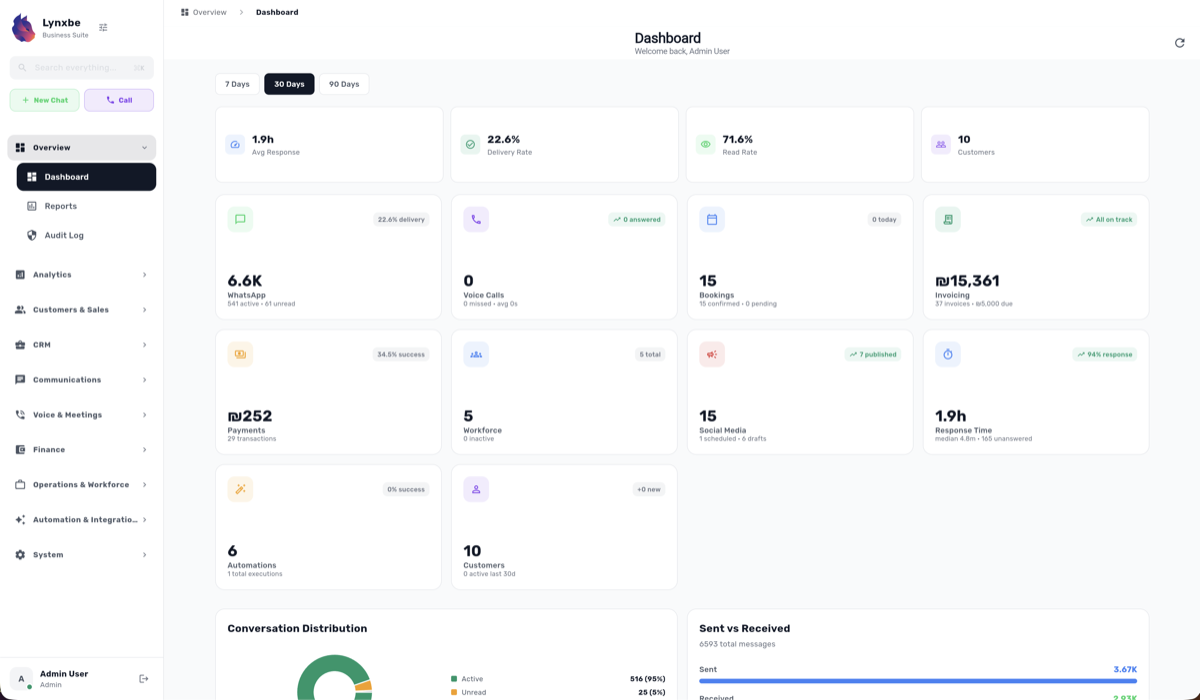
The WhatsApp Cloud API is more than just a messaging tool; it is a comprehensive platform that integrates seamlessly with existing business systems. The features it offers are tailored to meet the needs of modern businesses, enabling them to connect with customers on a platform they already use daily. By using this API, companies can automate responses, manage customer queries in real-time, and even send personalized updates—all while maintaining a human touch.
In this blog post, we will dive deep into how the WhatsApp Cloud API can be maximized for business success in 2026. We’ll explore its features, provide a step-by-step integration guide tailored for Israeli businesses, share real-world case studies, and outline best practices for effective customer communication. As we unfold this journey, you'll discover actionable insights that can help your business thrive in an increasingly competitive environment.
Overview of WhatsApp Cloud API Features and Benefits
The WhatsApp Cloud API comes packed with features designed to streamline communication and enhance customer experience. One of the most significant advantages is the ability to automate customer interactions. Businesses can set up automated responses for frequently asked questions, which can drastically reduce response time and improve customer satisfaction. By automating routine inquiries, your team can focus on more complex issues that require human intervention.
Another essential feature is the ability to send rich media messages, including images, videos, and documents. This allows businesses to create more engaging content that can capture customer attention and convey information more effectively. For example, a fashion retailer can send customers images of new arrivals, while a tech company can share product manuals in PDF format.
Additionally, the WhatsApp Cloud API supports two-way communication, enabling businesses to not only send messages but also receive and manage responses in real time. This feature is crucial for companies looking to engage customers in conversations, gather feedback, or conduct surveys. Real-time engagement can lead to more personalized experiences, which are increasingly important in today’s market.
Security is another cornerstone of the WhatsApp Cloud API. With end-to-end encryption, businesses can communicate with their customers securely, ensuring that sensitive information is protected. This is particularly important in industries such as finance and healthcare, where data privacy is paramount. WhatsApp’s commitment to security can be a significant selling point for businesses that prioritize user trust.
Step-by-Step Integration Guide for Israeli Businesses
Integrating the WhatsApp Cloud API into your business may seem daunting, but the process can be broken down into manageable steps. The first step is to set up a WhatsApp Business Account. This requires a valid business phone number and adherence to WhatsApp's policies and guidelines. Once your account is set up, you will need to apply for access to the WhatsApp Cloud API through the Meta for Developers platform.
After your application is approved, you will receive API credentials, including a token that will allow your application to authenticate with the WhatsApp servers. This token is essential for making API calls and should be kept secure to prevent unauthorized access.
The next step involves setting up a server to handle incoming and outgoing messages. You can choose to host this server on your infrastructure or use cloud services like AWS or Google Cloud. Once your server is running, you'll need to configure it to communicate with the WhatsApp Cloud API. This typically involves setting up webhooks to handle incoming messages and sending responses using the API.
Here’s a simple example of how to send a message using the WhatsApp Cloud API with Python:
import requests

# Replace with your WhatsApp Cloud API URL and token
url = 'https://graph.facebook.com/v12.0/YOUR_PHONE_NUMBER_ID/messages'
headers = {
    'Authorization': 'Bearer YOUR_ACCESS_TOKEN',
    'Content-Type': 'application/json',
}

# Message data
data = {
    'messaging_product': 'whatsapp',
    'to': 'RECIPIENT_PHONE_NUMBER',
    'text': {'body': 'Hello from Lynxbe!'},
}

# Sending the message
response = requests.post(url, headers=headers, json=data)

# Checking response
if response.status_code == 200:
    print('Message sent successfully!')
else:
    print('Failed to send message:', response.json())
In this example, we import the requests library to handle HTTP requests. We set the API URL and headers, including our access token for authentication. The message data is then formatted appropriately before being sent as a JSON payload. This is a simple yet effective way to initiate communication with your customers.
Case Studies of Successful WhatsApp Integration
To illustrate the effectiveness of the WhatsApp Cloud API, let’s look at some real-world case studies from the Israeli tech scene. One notable example is Wix, a web development platform that successfully integrated WhatsApp into its customer support strategy. By using the WhatsApp Cloud API, Wix was able to provide real-time support to its customers, significantly reducing the resolution time for queries.
Wix utilized automated responses for common questions, which allowed their support team to dedicate more time to complex issues. This not only improved customer satisfaction but also enhanced operational efficiency. The company reported a 30% increase in customer engagement within the first three months of implementing the WhatsApp integration.
Another successful case is that of Moovit, an Israeli mobility-as-a-service (MaaS) company. Moovit integrated WhatsApp to send real-time updates to users about public transportation schedules and delays. This feature proved to be invaluable, particularly during peak travel times or when unexpected disruptions occurred. By keeping users informed, Moovit enhanced its service quality and retained customer loyalty.
Moreover, a startup called MyHeritage leveraged the WhatsApp Cloud API for user engagement during its genealogical research services. It allowed users to receive updates about DNA test results and other important notifications via WhatsApp. This approach not only improved communication but also led to a notable increase in user satisfaction and retention rates.
Best Practices for Customer Communication via WhatsApp
Successful communication via WhatsApp hinges on a few best practices that businesses should adopt. First and foremost, it is essential to respect customer privacy. Always obtain consent before sending messages and provide users with an easy way to opt out. This builds trust and enhances your brand’s reputation.
Another best practice is to maintain a balance between automation and human interaction. While automated responses can save time, there are moments when a human touch is irreplaceable. Ensure that customers can easily escalate their queries to a human representative if their issues are not resolved promptly.
Furthermore, personalizing your communication can significantly improve customer engagement. Use customer data to tailor messages, offer personalized recommendations, and send targeted promotions. This approach can foster a deeper connection with your audience and enhance their overall experience.
Actionable Insights and Takeaways
As we reflect on the potential of the WhatsApp Cloud API, it is evident that this tool offers a myriad of opportunities for businesses poised to enhance their communication strategies. From automation to rich media sharing, the features of the API cater to the dynamic needs of modern consumers. For Israeli startups and tech companies, harnessing this potential can lead to increased customer satisfaction and loyalty.
Businesses should remember that successful integration is not merely about implementing the technology; it requires a strategic approach to customer engagement. By following best practices, such as respecting privacy and personalizing communication, companies can create meaningful interactions that resonate with their audience.
Ultimately, the WhatsApp Cloud API is a powerful tool that can drive business success in 2026 and beyond. Organizations that embrace this technology will not only improve their operational efficiency but also foster deeper relationships with their customers.
Conclusion and Call to Action
In conclusion, the WhatsApp Cloud API stands as a testament to the transformative power of technology in business communication. As we have explored, its rich feature set and integration capabilities present a unique opportunity for Israeli companies to engage with their customers effectively. Now is the time to take action and start leveraging this powerful tool to maximize your business potential.
If you’re ready to elevate your customer communication strategy, consider reaching out to experts who can assist you in implementing the WhatsApp Cloud API. With the right approach and tools, you can turn your business into a customer-centric powerhouse, positioning yourself for success in the competitive landscape of 2026.



Comments
💬 Share your thoughts