The guide to implementing the WhatsApp Business API for businesses in Israel
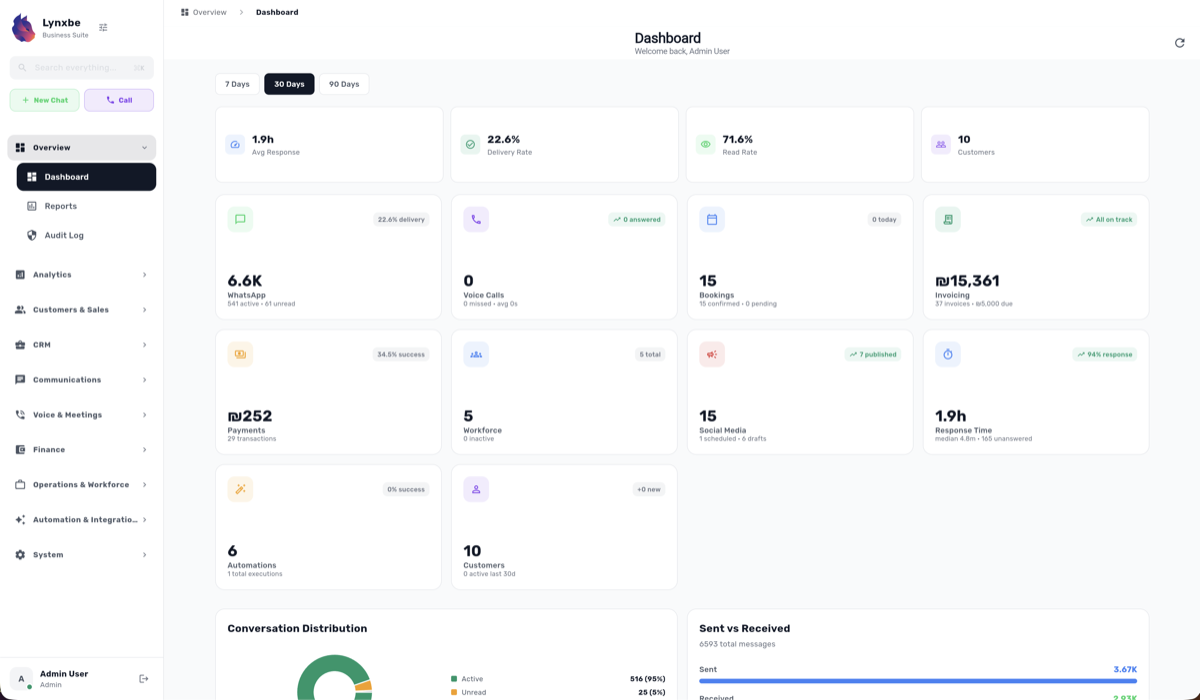
In recent years, WhatsApp has become a central communication platform for both businesses and customers, especially in Israel. With the development of the WhatsApp Business API technology, businesses can now enhance their customer experience and manage communication more professionally and efficiently. In this article, we will review the steps to implement the API in a business, examine the benefits of using the platform for customer service, and present case studies from successful Israeli businesses.
One of the most important questions that arise when businesses consider using the WhatsApp Business API is how to get started. The process may seem complex, but with the right information and appropriate guidance, any business can implement the solution smoothly. We will begin with an overview of the initial steps for implementation, continue with understanding the benefits of using WhatsApp for customer service, and integrate with existing CRM systems.
To illustrate the advantages of the API, we will present examples from Israeli businesses that have used it and seen significant improvements in customer service and communication efficiency. Each business is different, and therefore the use of the WhatsApp Business API should be tailored to the unique needs of each company. In this article, we will attempt to present the tools and strategies that can help any business succeed.
Steps to Implement the API in a Business
The steps to implement the WhatsApp Business API in a business include several important stages. The first stage is to register for the WhatsApp Business API service and complete the approval process. You must submit a request through an authorized WhatsApp service provider, who will review the request and approve your business.
After receiving approval, the next step is to set up the system. This includes installing the necessary software, connecting to existing systems such as CRM, and setting up your business profile on WhatsApp. It is important to ensure that the profile is professional, including a logo, business description, and operating hours.
One of the important aspects during the implementation is to define your WhatsApp messages. This includes automated messages, welcome messages, and responses to frequently asked questions. Each message should be tailored to your target audience and reflect the brand's values.
Benefits of Using WA for Customer Service
Customer service is one of the areas where the WhatsApp Business API excels. In the digital age, customers expect quick and efficient responses. With WhatsApp, businesses can provide immediate support through chat, thereby improving customer satisfaction.
Another advantage is the ability to send updates and promotional messages directly to customers. For example, businesses can send messages about promotions, discounts, or order updates. This allows them to maintain direct contact with customers and strengthen their market presence.
Additionally, the WhatsApp Business API offers advanced automation capabilities. Businesses can set up bots that can answer frequently asked questions, manage inquiries easily, and provide instant information to customers. This saves time and allows customer service teams to focus on more complex issues.
Integration with Existing CRM
One of the significant advantages of the WhatsApp Business API is the ability to integrate it with existing CRM systems. This allows businesses to manage communication with customers in an organized and orderly manner.
For instance, businesses can integrate WhatsApp with Salesforce or HubSpot, so that all messages and interactions with customers are documented in the CRM system. This provides a complete picture of each customer, including communication history, past issues, and customer preferences.
This integration not only improves service but also allows the business to analyze important data about customer relationships. Through data analysis, it is possible to understand which types of messages work best and make continuous improvements.
Case Studies from Successful Israeli Businesses
In Israel, there are several businesses that have successfully used the WhatsApp Business API to improve their customer service. One of the well-known examples is the website "Wolt," which uses WhatsApp to update customers on orders in real-time.
Wolt has managed to enhance the customer experience by sending immediate updates on order status, potential issues, and frequently asked questions. Customers appreciate the immediate information, leading to higher satisfaction.
Another example is "Shufersal," the largest supermarket chain in Israel, which has used the WhatsApp Business API to allow customers to order products directly through chat. They have significantly increased their sales by making the process more convenient and faster for customers.
Even small businesses like cosmetic shops and restaurants have started using the WhatsApp Business API to manage orders and customer inquiries. An example of this is the restaurant "Taizu" in Tel Aviv, which began using WhatsApp to coordinate orders and provide information about special menus.
Best Practices and Tips
To succeed in implementing the WhatsApp Business API, there are several tips and best practices to consider. First, it is advisable to ensure that your team is trained in using the various tools of the API. Proper training can improve performance and prevent issues.
Second, it is recommended to use statistics and data to analyze the effectiveness of communication with customers. This can include metrics such as response times, the number of messages sent, and customer satisfaction. Proper analysis can lead to significant improvements.
Finally, it is important to pay attention to the content of the messages. Maintain a professional and inviting tone, and tailor the content to your business goals. Marketing messages should be focused and useful, and not feel like spam.
Insights and Important Lessons
In today's digital age, fast and efficient communication with customers is critical to the success of any business. The WhatsApp Business API offers an excellent solution that helps improve the customer experience and streamline communication.
However, it is important to remember that success in implementation largely depends on understanding the unique needs of the business. Each business should be able to tailor the use of the API to its needs and goals.
Based on the case studies we presented, it can be seen that businesses that understand the potential of the WhatsApp Business API and implement it wisely succeed in improving their customer service and strengthening relationships with customers.
Summary with a Call to Action
Now, after learning about the steps to implement the WhatsApp Business API, the benefits of using it, and best practices, it is time to take action. If you manage a business in Israel and wish to improve your customer service, consider using the API.
A first step could be to contact an authorized WhatsApp service provider who can guide you through the implementation process. Do not hesitate to check examples from other businesses and learn from them. Investing in the implementation of the WhatsApp Business API may be the next step that brings your business success.




Comments
💬 Share your thoughts