WhatsApp Business API Updates: Enhance Customer Engagement

The landscape of customer communication is evolving rapidly, particularly with the advent of advanced messaging solutions. WhatsApp, a platform known for its user-friendly interface and widespread adoption, has introduced new features in its Business API that are set to redefine how businesses engage with customers. As we venture into 2026, these updates promise not only to streamline communication but also to enhance customer experience significantly. For tech professionals, developers, and startup founders, understanding these updates and how to integrate them into existing systems is crucial for staying competitive in today’s market.
WhatsApp has always been at the forefront of mobile communication, and its Business API is no exception. This powerful tool allows companies to interact with customers seamlessly, offering a channel that is preferred by millions worldwide. The enhancements rolled out in 2026 focus on improving automation, personalization, and analytics, thus making it an indispensable asset for modern businesses. In this blog post, we will explore these new features, discuss best practices for implementation, and provide real-world use cases that demonstrate the API's capabilities in action.
As we delve deeper into the WhatsApp Business API, it’s essential to highlight how these updates can integrate into your marketing strategies. The goal is not only to communicate more effectively but also to create meaningful interactions that foster brand loyalty. By leveraging the new functionalities, businesses can transform customer engagement into a two-way dialogue that is both informative and enjoyable. So, let’s explore these updates and see how they can be leveraged for maximum impact.
New Features Available for WhatsApp Business API in 2026
In 2026, WhatsApp introduced several new features to enhance the functionality of its Business API. One of the most significant updates is the enhanced support for chatbots, which now includes advanced natural language processing (NLP) capabilities. This allows businesses to create more sophisticated bots capable of understanding and responding to customer inquiries in a conversational manner. The integration of machine learning algorithms into these bots means they can learn from previous interactions, improving over time and providing more accurate responses.
Another noteworthy update is the introduction of rich media messages. Businesses can now send images, videos, and documents much more efficiently, allowing for a richer customer experience. For example, a retail company can send a video tutorial for a product, enhancing the customer’s understanding and engagement. Furthermore, this feature complements the existing text-based messages, providing a multi-faceted approach to communication.
WhatsApp also introduced message templates that can be customized for different scenarios. This means companies can create predefined responses for common inquiries, ensuring consistency and speeding up response times. This feature is particularly beneficial for businesses with high volumes of customer interactions, allowing them to maintain a high level of service without sacrificing personalization.
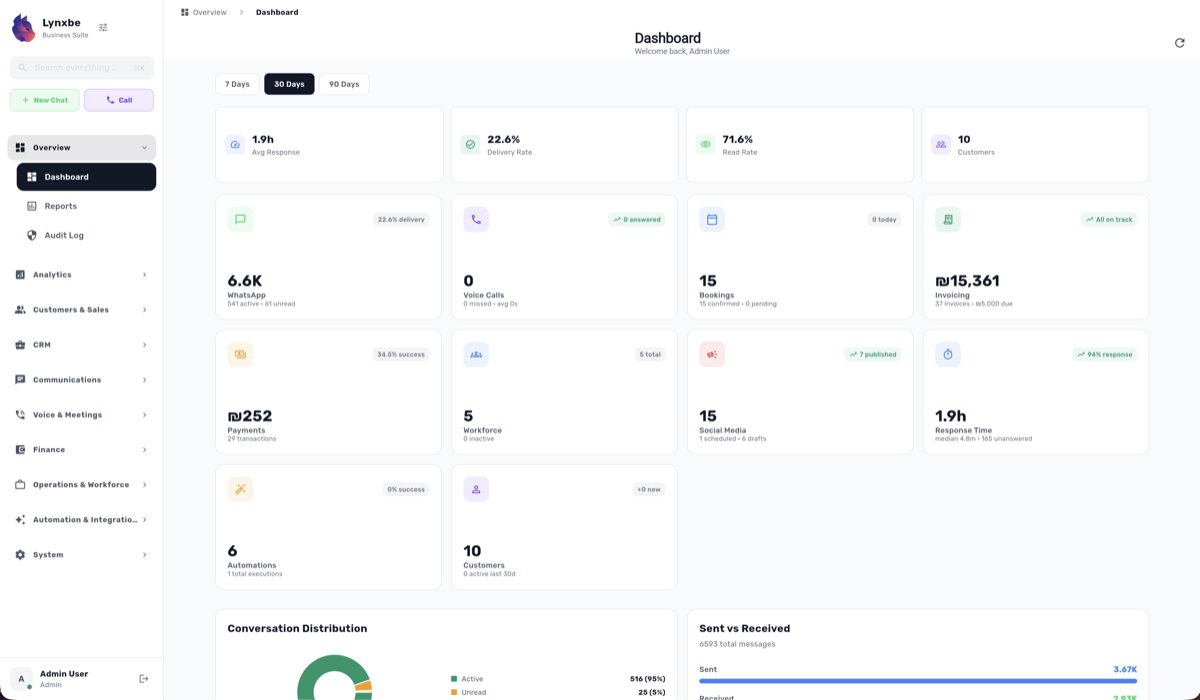
Additionally, the API now supports improved analytics features. Businesses can access insights into message delivery rates, read receipts, and customer engagement metrics. This data is invaluable for refining marketing strategies and understanding customer preferences. By leveraging these insights, businesses can tailor their communication strategies to better meet customer needs, ultimately driving higher engagement rates.
Best Practices for Implementing the API in Your Marketing Strategy
Implementing the WhatsApp Business API into your marketing strategy requires careful planning and execution. First and foremost, it is crucial to define clear objectives for your WhatsApp communications. Are you aiming to increase customer support efficiency, boost sales, or enhance brand loyalty? By establishing specific goals, you can tailor your strategy to meet these objectives effectively.
Another best practice is to ensure that you have a robust onboarding process for new customers. This could involve sending a welcome message upon their first interaction, which can include helpful resources and links to your website. A well-crafted onboarding message can set the tone for the customer’s experience and encourage further engagement.
It’s also essential to maintain a balance between automation and human interaction. While chatbots can handle a significant volume of inquiries, there are instances where human intervention is necessary. Providing customers with an option to connect with a human representative can enhance their experience and build trust in your brand.
Furthermore, consider segmenting your audience to deliver more targeted messages. By analyzing customer behavior and preferences, you can tailor your communications to specific segments. This kind of personalization makes customers feel valued and can significantly improve engagement rates.
Real-World Use Cases of Successful WhatsApp Campaigns
To illustrate the power of the WhatsApp Business API, let’s explore some real-world examples from the Israeli tech scene that have successfully leveraged this tool to enhance customer engagement. One notable case is that of a leading e-commerce platform, which utilized the API to automate order updates and delivery notifications. Customers received timely updates via WhatsApp, significantly reducing the volume of inquiries regarding order status.
Another example involves a popular travel agency that implemented personalized trip recommendations through WhatsApp. By utilizing the API's rich media capabilities, the agency sent potential travelers engaging video content showcasing destinations tailored to their interests. This approach not only increased customer engagement but also led to higher conversion rates.
A tech startup focused on health and wellness leveraged the WhatsApp Business API to enhance customer support. By integrating a chatbot capable of answering frequently asked questions about their products, they reduced response times dramatically. This freed up their support team to focus on more complex inquiries, improving overall service quality.
Additionally, a local restaurant chain employed the WhatsApp Business API to facilitate reservations and takeout orders. Customers could easily place orders or reserve tables directly through WhatsApp, streamlining the process and enhancing customer satisfaction. This use of the API not only increased order volume but also provided the restaurant with valuable customer data for future marketing efforts.
How to Integrate WhatsApp with CRM for Better Customer Insights
Integrating the WhatsApp Business API with your Customer Relationship Management (CRM) system can provide invaluable insights into customer behavior and preferences. This integration allows businesses to track conversations, analyze customer interactions, and gather data that can inform future marketing strategies.
To begin the integration process, choose a CRM platform that supports WhatsApp connectivity. Many leading CRM systems, such as Salesforce and HubSpot, offer plugins or APIs to facilitate this integration. Once connected, you can synchronize customer data from WhatsApp conversations into your CRM. This allows for a seamless flow of information and ensures that all customer interactions are logged and accessible.
For instance, when a customer initiates a conversation on WhatsApp, their details can be automatically pulled from the CRM, allowing the support team to have context before responding. This personalized approach not only improves response quality but also enhances customer satisfaction.
Furthermore, this integration enables businesses to segment their customers based on their interactions through WhatsApp. By analyzing chat histories and engagement metrics, companies can identify patterns and trends that inform their marketing efforts. For instance, if a particular segment shows higher engagement during promotional campaigns, businesses can tailor future messages accordingly.
Best Practices and Tips
As you implement the WhatsApp Business API, consider the following best practices to maximize its benefits. Firstly, ensure that your team is well-trained in using the API effectively. Familiarize them with the new features and best practices for engaging customers via WhatsApp to ensure a consistent and high-quality experience.
Secondly, regularly review and analyze the metrics provided by the WhatsApp Business API. This includes message delivery rates, customer engagement statistics, and response times. By continuously monitoring these metrics, you can gain insights into what is working and what needs improvement.
Additionally, encourage feedback from customers regarding their WhatsApp communication experiences. This feedback can provide valuable insights into areas for improvement and help you refine your approach to customer engagement.
Lastly, remain adaptable to changes in customer preferences and technology. The digital landscape is constantly evolving, and staying ahead of trends will enable you to leverage the WhatsApp Business API effectively.
Actionable Insights and Takeaways
In conclusion, the WhatsApp Business API is a powerful tool that can significantly enhance customer engagement when utilized effectively. The new features launched in 2026 offer businesses the opportunity to create more personalized and meaningful interactions with their customers. By implementing best practices and integrating the API with your CRM, you can gain valuable insights that inform your marketing strategies and improve customer satisfaction.
Real-world examples from the Israeli tech scene demonstrate the transformative potential of the WhatsApp Business API. Companies that have embraced this technology are not only improving their customer interactions but also setting themselves apart in a crowded marketplace.
As you explore the possibilities offered by the WhatsApp Business API, consider how you can integrate these insights into your marketing strategies. Whether through personalized messaging, automated responses, or enhanced analytics, the potential for improved customer engagement is immense.
Conclusion
As we move further into 2026, the importance of effective communication cannot be overstated. The WhatsApp Business API presents an opportunity for businesses to elevate their customer engagement strategies and enhance their overall service quality. By keeping abreast of the latest updates, implementing best practices, and analyzing customer data, you can position your business for success in an increasingly competitive landscape.
Take the first step in transforming your customer engagement today. Consider how you can implement the WhatsApp Business API into your marketing strategies and explore the possibilities it offers for creating meaningful connections with your customers.



Comments
💬 Share your thoughts