2026 WhatsApp Cloud API Changes: What SMBs Need to Know
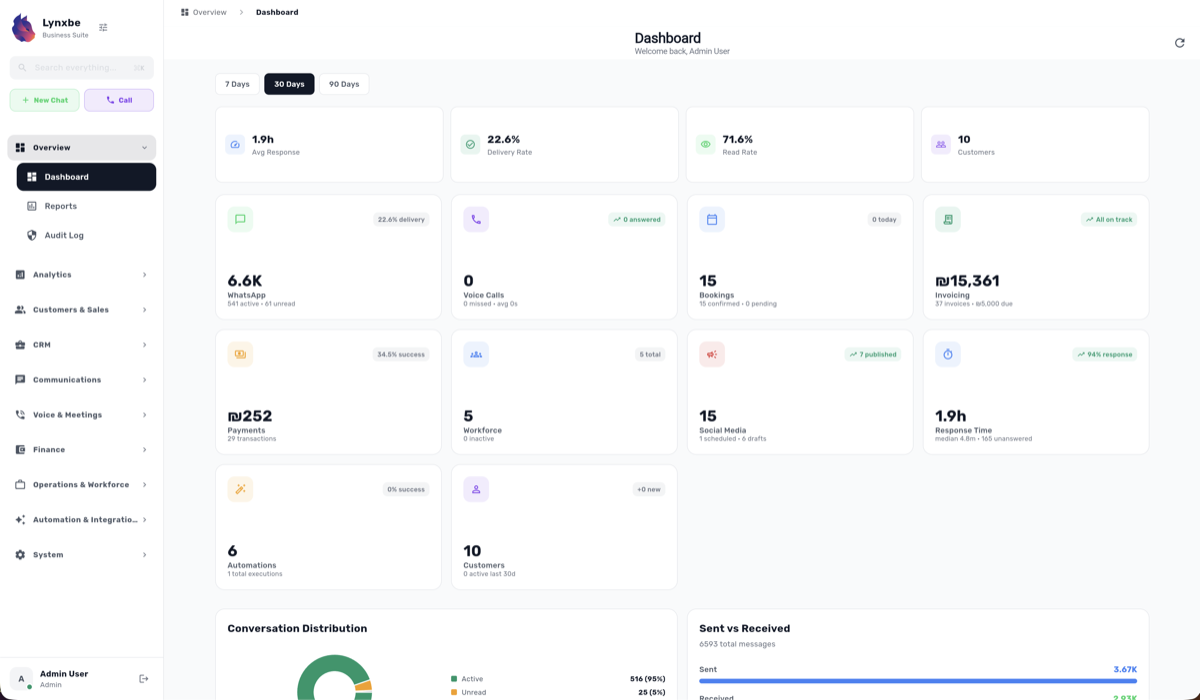
In recent years, WhatsApp has become one of the most popular platforms for business communication. With the advancement of technology and the growing need for small and medium-sized businesses (SMBs) to leverage digital communication tools, the WhatsApp Cloud API has become a preferred option for many. In 2026, WhatsApp plans several significant changes to its API that will affect how businesses communicate with their customers.
In this post, we will review the expected changes to the WhatsApp Cloud API, detail how to integrate the new features into existing systems, and examine practical use cases of Israeli businesses that have used these updates for success. We will also discuss the importance of maintaining user privacy in Israel and how businesses can ensure compliance with local privacy laws.
Additionally, we will address several tips and action steps to help businesses ensure they are maximizing the potential of the WhatsApp Cloud API effectively. At the end of the post, we will present key conclusions to help businesses understand the next steps they should take.
Overview of New Features in WhatsApp Cloud API
The WhatsApp Cloud API offers a wide range of new features that can enhance how small and medium-sized businesses communicate with their customers. Among the new features are improvements in customer service, process automation, and the ability to manage conversations with multiple customers simultaneously.
One significant change is the ability to send personalized messages based on data that the business collects about its customers. For example, if a business knows that a particular customer is celebrating a birthday, it can send a personalized message with a special offer.
In addition, WhatsApp plans to introduce improvements in conversation management, making it easier to track conversations, maintain conversation history, and respond quickly to frequently asked questions using bots. These improvements can save valuable time and enhance the customer experience.
Integrating New Features into Existing Systems
To take advantage of the new features of the WhatsApp Cloud API, businesses need to start the integration process with their existing systems. This process typically involves several steps. The first step is to register for the API service and obtain the necessary keys for access.
Next, a connection must be established between the API and the business's internal systems, such as CRM, customer management systems, and even inventory management systems. This connection can be made using platforms like Zapier or through custom development by developers.
To illustrate the integration process, let's examine a simple example of how to send a message to a customer using the new API. In this case, let's assume we have a CRM system that stores our customer details. Using the following code, we can send a message to a customer:
import requests

def send_whatsapp_message(phone_number, message):
    url = "https://graph.facebook.com/v13.0/YOUR_PHONE_NUMBER_ID/messages"

    headers = {
        'Authorization': 'Bearer YOUR_ACCESS_TOKEN',
        'Content-Type': 'application/json',
    }

    data = {
        "messaging_product": "whatsapp",
        "to": phone_number,
        "text": {"body": message}
    }

    response = requests.post(url, headers=headers, json=data)

    if response.status_code == 200:
        print("Message sent successfully!")
    else:
        print("Error sending message:", response.text)

# Example usage
send_whatsapp_message("0541234567", "Hello! How can I assist you today?")
In the above code snippet, we define a function that sends a message to a customer using the WhatsApp API. We need to replace YOUR_PHONE_NUMBER_ID and YOUR_ACCESS_TOKEN with our details.
Practical Use Cases from Businesses in Israel
Israeli businesses have already begun adopting the WhatsApp Cloud API, and its impact on communication with customers is significant. One example is "Leonardo," a company specializing in selling electronics. The company started using the WhatsApp Cloud API to send update messages to customers about the status of their orders.
During its use of the API, "Leonardo" managed to reduce the number of incoming calls to the service center by 30%, while improving the customer experience. Customers received real-time updates, leading to higher satisfaction.
Another example is "Shufersal," which used the WhatsApp Cloud API to enhance its customer service. With automated bots, the company was able to answer frequently asked questions in real-time and save resources. The bots answered over 50% of the questions asked, allowing the team to focus on more complex inquiries.
Best Practices for Compliance with Privacy Laws in Israel
When using new technologies like the WhatsApp Cloud API, it is essential to pay attention to user privacy. Israel has strict laws regarding this matter, and every business must ensure it complies. First, explicit consent must be obtained from customers before sending marketing messages or status updates.
Additionally, businesses must ensure that customer information is stored securely and managed according to privacy protection laws. It is important to delete unnecessary data and provide customers with clear information about how their data is used.
It is also crucial to offer customers the option to opt-out of receiving messages at any time, which helps maintain a good relationship with customers and prevent complaints.
Practical Tips for Using WhatsApp Cloud API
To get the most out of the WhatsApp Cloud API, businesses should adopt several tips. First, it is advisable to experiment with the new features before using them extensively. Small campaigns can help understand what works and what doesn’t.
Second, it is important to track usage data and make adjustments as needed. Success metrics like open rates and conversion rates can provide valuable insights into how customers are responding.
Finally, it is beneficial to invest in training the team on how to use the API effectively. Proper training can enhance the service that customers receive and ensure that the technology is integrated optimally into existing systems.
Insights and Conclusions
In conclusion, the expected changes to the WhatsApp Cloud API in 2026 offer many opportunities for small and medium-sized businesses in Israel. The new features can enhance the customer experience, improve service, and increase operational efficiency.
However, it is important to remember the challenges that come with new technologies, especially regarding data privacy. Businesses must ensure they operate in accordance with privacy laws and invest in systems that will protect data.
Therefore, if you are a small or medium-sized business owner, it is advisable to start planning the integration of the WhatsApp Cloud API now. The changes coming in 2026 could be your opportunity to lead your communication with your customers into a new era.
Summary and Call to Action
If you want to leverage the potential of the WhatsApp Cloud API, don’t hesitate to contact Lynxbe, a company specializing in developing customized software solutions. We can help you understand the necessary steps to get started and integrate the new features into your systems.
Don’t wait – start planning your transition to the WhatsApp Cloud API today. With the right tools, you can enhance your communication with customers and grow into more successful businesses.




Comments
💬 Share your thoughts