Navigating New WhatsApp Cloud API Changes for SMBs
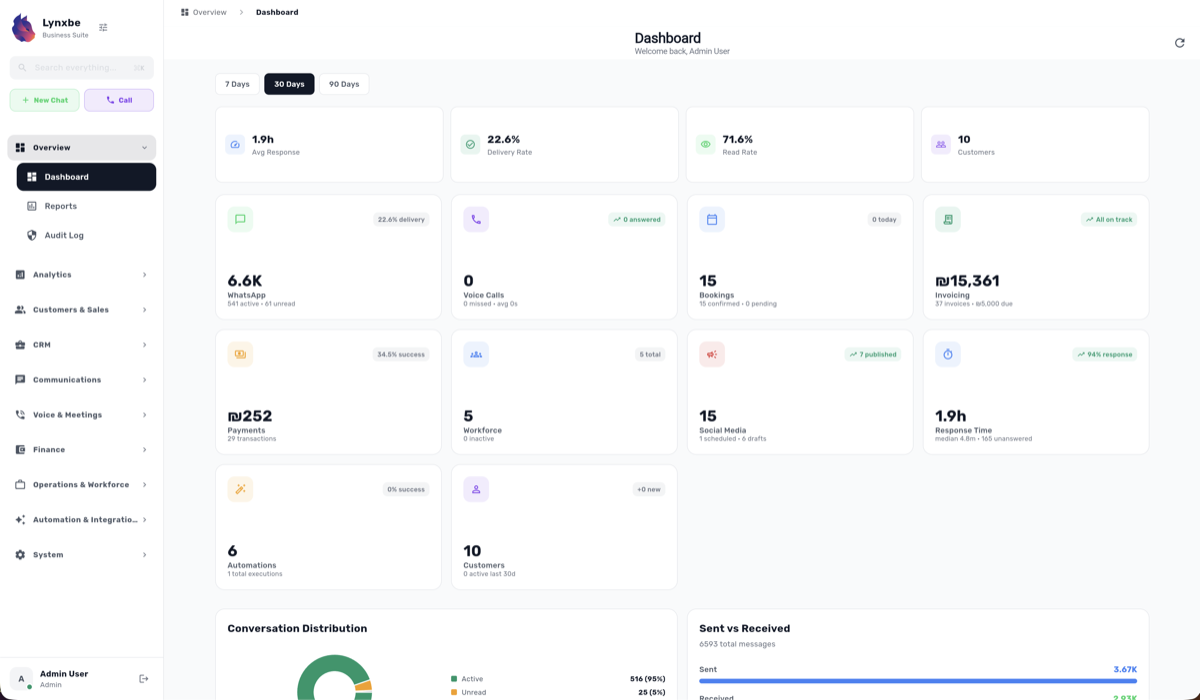
In the fast-evolving world of digital communication, WhatsApp has emerged as a vital tool for businesses, particularly small and medium-sized enterprises (SMBs). The introduction of the WhatsApp Cloud API has revolutionized how companies interact with their customers, offering streamlined communication channels and enhanced customer service capabilities. However, with recent changes to the API, SMBs must navigate a complex landscape to fully leverage these new features.
The latest updates to the WhatsApp Cloud API include improved scalability, enhanced security features, and greater flexibility in integration with existing systems. These changes provide an opportunity for SMBs to enhance customer engagement, personalize interactions, and ultimately drive business growth. But how can these businesses effectively adapt to these changes? This blog post aims to explore the new features of the WhatsApp Cloud API, offer a step-by-step migration guide, and showcase successful implementations from the Israeli tech scene.
As we delve into this topic, it’s crucial to recognize that the WhatsApp Cloud API is not merely a messaging tool but a comprehensive platform that can transform customer relationships. With the rise of digital communication, SMBs must adapt quickly to remain competitive. We will cover everything from integration with Customer Relationship Management (CRM) systems to best practices that can help businesses maximize their use of the WhatsApp Cloud API.
Let’s embark on this journey to explore the new WhatsApp Cloud API features, understand how to migrate smoothly, and see real-world applications that highlight the benefits of these advancements.
Overview of the Latest WhatsApp Cloud API Features
The WhatsApp Cloud API has rolled out several new features designed to improve user experience and business functionality. One of the most significant updates is the introduction of a more robust cloud infrastructure, which allows for greater scalability. This means that businesses can handle an increased volume of messages without worrying about server limitations or downtimes.
Another noteworthy enhancement is the integration of advanced security protocols. With data privacy becoming a paramount concern, WhatsApp has ensured that all communications through the Cloud API are encrypted using end-to-end encryption. This safeguard reassures customers that their interactions with businesses are secure, fostering trust and credibility.
Furthermore, the Cloud API now supports rich media messages, including images, videos, and documents, making it easier for businesses to engage customers visually. This feature allows companies to send promotional content, product catalogs, and personalized messages that can greatly enhance customer interaction and satisfaction.
Additionally, WhatsApp has improved its webhook capabilities, allowing businesses to receive real-time notifications about incoming messages and other events. This functionality is essential for automating responses and integrating WhatsApp communication into existing workflows seamlessly.
Step-by-Step Migration Guide for Businesses
Transitioning to the new WhatsApp Cloud API may seem daunting, but with a structured approach, businesses can migrate smoothly. The first step is to evaluate the current setup and understand how the new features will fit into existing systems. This evaluation should include a thorough analysis of the business's communication needs and objectives.
Once the evaluation is complete, businesses should create an account on the WhatsApp Cloud API platform. This involves registering for the API and obtaining the necessary credentials, such as the API key and webhook URL. Detailed documentation provided by WhatsApp will guide users through the setup process.
After setting up the account, the next step is to integrate the API with existing systems, such as CRMs. This can be done using standard REST API calls to send and receive messages. For example, a business can use the following code snippet to send a message:
import requests

url = "https://YOUR_API_URL/v1/messages"  # Replace with your API URL

headers = {
    'Authorization': 'Bearer YOUR_ACCESS_TOKEN',  # Replace with your access token
    'Content-Type': 'application/json'
}

data = {
    "messaging_product": "whatsapp",
    "to": "CUSTOMER_PHONE_NUMBER",  # Replace with customer phone number
    "type": "text",
    "text": {
        "body": "Hello, this is a message from our business!"
    }
}

response = requests.post(url, headers=headers, json=data)

if response.status_code == 200:
    print("Message sent successfully!")
else:
    print("Failed to send message:", response.status_code, response.text)
This snippet demonstrates how to send a simple text message. The integration process may require additional configurations, such as setting up webhooks for receiving messages and notifications.
Once the integration is complete, businesses should thoroughly test the system to ensure everything is functioning as expected. This includes sending test messages, checking for webhook responses, and troubleshooting any issues that arise. A beta rollout phase can help identify potential problems before full deployment.
Best Practices for Integrating WhatsApp with Existing CRMs
Integrating the WhatsApp Cloud API with existing Customer Relationship Management (CRM) systems can significantly enhance customer interactions. One of the best practices is to ensure that all customer data is synchronized across platforms. This means that when a customer contacts the business via WhatsApp, their information should automatically populate in the CRM, allowing for a seamless experience.
Another crucial practice is to leverage automation tools to manage responses. By using chatbots or automated messaging, businesses can provide immediate responses to common queries, improving customer satisfaction. For instance, a retail company could set up a bot to handle inquiries about product availability or order status, freeing up human agents to tackle more complex issues.
It’s also essential to maintain a consistent brand voice across all messaging channels. Businesses should develop guidelines for how they communicate with customers on WhatsApp, ensuring that the tone and messaging align with their overall branding strategy.
Finally, businesses should continuously monitor and analyze their communication metrics. By tracking response times, customer satisfaction scores, and engagement rates, businesses can identify areas for improvement and refine their strategies to better meet customer needs.
Case Studies Showcasing Successful Implementations
In the Israeli tech scene, several companies have successfully implemented the WhatsApp Cloud API to enhance their customer engagement. One notable example is a leading e-commerce platform that integrated WhatsApp into its customer service strategy. By using the API, the company enabled customers to receive real-time order updates and support directly through WhatsApp.
This integration resulted in a 30% decrease in customer service response times and a 25% increase in customer satisfaction scores. The platform utilized chatbots to automate responses to frequently asked questions, allowing human agents to focus on more complex inquiries. This case highlights how effectively leveraging the WhatsApp Cloud API can lead to improved operational efficiency and enhanced customer experience.
Another example is a SaaS company that used WhatsApp to improve its onboarding process for new clients. By sending personalized onboarding messages and tutorials via WhatsApp, the company was able to significantly reduce the time it took for new users to become proficient with the software. This approach not only improved user satisfaction but also led to higher retention rates.
Moreover, a local food delivery startup adopted the WhatsApp Cloud API to streamline order confirmations and delivery updates. By automating the communication process, the startup reduced human error and improved overall efficiency. Customers appreciated being able to track their orders in real time, resulting in increased loyalty and repeat business.
Best Practices and Tips
To maximize the benefits of the WhatsApp Cloud API, businesses should follow a few best practices. First, investing in training for staff members who will manage the WhatsApp communication channel is crucial. This training should cover the technical aspects of using the API as well as customer service best practices.
Second, businesses should develop a clear communication strategy that outlines how WhatsApp will be utilized within their overall marketing and customer service plans. This strategy should include guidelines for message frequency, response times, and how to handle customer feedback.
Finally, businesses should remain adaptable and open to feedback from customers. Regularly soliciting customer opinions on their WhatsApp communication experience can provide valuable insights for improvement and innovation.
Actionable Insights and Takeaways
The changes to the WhatsApp Cloud API present an exciting opportunity for SMBs to enhance customer engagement and streamline communication. By understanding the new features, following a structured migration process, and implementing best practices, businesses can effectively leverage this powerful tool.
Additionally, learning from real-world case studies can provide valuable insights into successful implementation strategies and potential pitfalls to avoid. As the landscape of digital communication continues to evolve, staying informed about updates and best practices will be essential for any business looking to maintain a competitive edge.
Ultimately, the WhatsApp Cloud API is more than just a messaging platform; it is a powerful tool that can transform customer interactions and drive business growth. By taking proactive steps to integrate this technology, SMBs can unlock new avenues for customer engagement and satisfaction.
Conclusion with Call to Action
In conclusion, navigating the new WhatsApp Cloud API changes does not have to be a daunting task. With the right approach, businesses can seamlessly integrate this powerful tool into their operations and reap the benefits of enhanced customer engagement.
We encourage tech professionals, developers, and startup founders to take the necessary steps towards adopting the WhatsApp Cloud API. Whether it’s by exploring integration options or implementing best practices, the time to act is now. Embrace the future of communication and watch your business thrive!





Comments
💬 Share your thoughts