Comparing CRM Solutions: Israeli Market Leaders Revealed
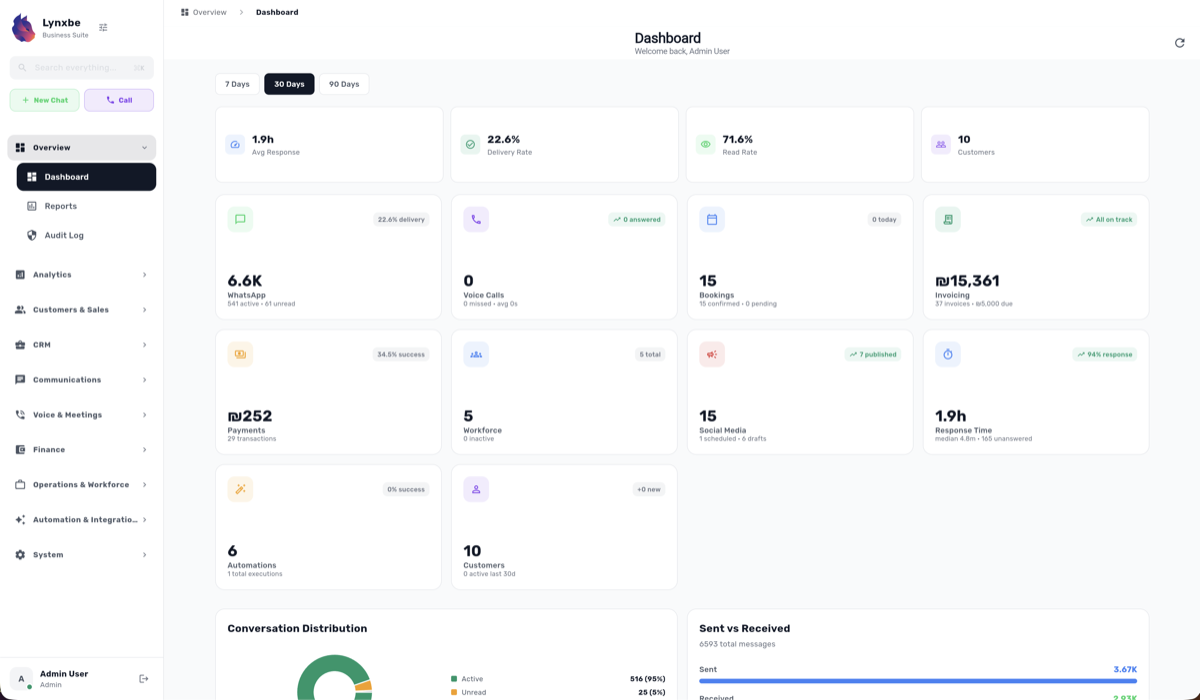
In the fast-paced world of technology, Customer Relationship Management (CRM) software has become an indispensable tool for businesses across the globe. In Israel, a country renowned for its vibrant startup ecosystem and innovative tech solutions, the landscape of CRM software is both diverse and competitive. Choosing the right CRM solution can significantly impact a company's efficiency, customer satisfaction, and ultimately its bottom line. With numerous options available, it is essential for tech professionals, developers, and startup founders to understand the leading CRM solutions in the Israeli market.
This blog post aims to dissect the features, pricing, user feedback, and integration capabilities of top CRM solutions in Israel. We will also share practical examples, real-world use cases, and best practices for selecting the right CRM tailored to your business needs. By the end of this post, you should have a clearer understanding of the CRM landscape in Israel and how to make informed decisions that align with your business goals.
The Israeli tech scene is characterized by innovation and adaptability, making it crucial for businesses to implement systems that can evolve with their growth. As the demands of customers change, so too must the tools that businesses use to manage their relationships with them. The right CRM not only streamlines operations but also enhances customer interactions, paving the way for sustainable growth and success.
Key Features of Top CRM Solutions in Israel
The first step in evaluating CRM solutions is to understand their key features. Top CRM platforms in Israel, such as HubSpot, Salesforce, and monday.com, offer a wide range of functionalities designed to cater to various business needs. For instance, HubSpot is well-known for its inbound marketing capabilities, allowing businesses to attract, engage, and delight customers seamlessly.
Salesforce, on the other hand, provides a highly customizable platform with features like sales automation, analytics, and a marketplace for third-party apps. Its strong reporting capabilities enable businesses to gain insights into customer behaviors, sales trends, and performance metrics, which are critical for data-driven decision-making.
monday.com, a homegrown Israeli solution, stands out with its visual project management interface. It allows users to customize workflows, automate repetitive tasks, and collaborate effectively within teams. The flexibility of monday.com makes it appealing to startups looking for a CRM that can adapt to their evolving needs.
Cost Analysis and ROI Considerations for Small Businesses
When considering a CRM solution, cost is often a significant factor, especially for small businesses. The pricing models for CRMs can vary widely, from subscription-based fees to one-time licensing costs. HubSpot, for example, offers a free version that includes basic CRM functionalities, making it accessible for startups with limited budgets.
Salesforce, while powerful, can become expensive as businesses scale and require additional features. Small businesses must assess not just the initial costs but also the long-term ROI of implementing a CRM. This includes considering potential increases in sales, improved customer retention, and the time saved through automation.
To calculate ROI, small businesses should consider the cost of the CRM implementation against the projected benefits. A simple ROI formula could look like this:
# Calculate ROI based on CRM investment
initial_investment = 5000  # Example cost of CRM setup
annual_benefits = 15000  # Example projected benefits per year

roi = (annual_benefits - initial_investment) / initial_investment * 100
print(f"Return on Investment (ROI): {roi}%")
In this example, the ROI calculation indicates the effectiveness of the investment, guiding small businesses in their decision-making process.
Integration Capabilities with Existing Business Tools
One of the critical aspects of selecting a CRM is its ability to integrate with existing business tools. In a tech-savvy environment like Israel, where companies often use multiple software solutions, seamless integration becomes paramount. Leading CRM solutions allow businesses to connect with tools such as email marketing platforms, accounting software, and customer support systems.
For instance, Salesforce offers a robust API that enables businesses to integrate with various applications, ensuring a smooth flow of data across platforms. This capability allows companies to maintain a unified view of customer interactions, regardless of the tools used.
Similarly, HubSpot provides integrations with popular tools like Mailchimp, Shopify, and Zendesk, allowing for streamlined marketing and customer service processes. Integration not only enhances functionality but also prevents data silos, enabling teams to work collaboratively and efficiently.
User Reviews and Feedback from Local Companies
User feedback is an invaluable resource when evaluating CRM solutions. In Israel, businesses often share their experiences through tech forums and review platforms. This feedback can provide insights into how well a CRM performs in real-world scenarios.
Many startups in Israel praise HubSpot for its intuitive interface and supportive community. Users appreciate the ease of use, particularly for teams with limited technical expertise. However, some users have mentioned that while HubSpot is excellent for lead generation, it may fall short in advanced reporting features compared to more robust platforms like Salesforce.
Salesforce users often highlight its extensive customization options and powerful analytics capabilities. However, some feedback points to a steeper learning curve, which may pose challenges for smaller teams. Ultimately, conducting a thorough review of user experiences can help businesses identify potential pitfalls and advantages before committing to a CRM solution.
Practical Examples and Real-World Use Cases
To illustrate the impact of CRM solutions, let’s look at some real-world use cases from the Israeli tech scene. Take, for example, a startup in Tel Aviv that specializes in mobile app development. This company decided to implement monday.com to manage their client relationships and project workflows.
By utilizing monday.com, the startup was able to create custom boards for each client, track project milestones, and automate reminders for follow-ups. This not only improved internal communication but also enhanced the client experience, leading to a 30% increase in customer satisfaction ratings within six months.
Another case study involves a SaaS company in Jerusalem that opted for Salesforce to manage its sales pipeline. With Salesforce's advanced analytics, the company was able to identify trends in customer behavior and optimize its sales strategy accordingly. As a result, they experienced a 40% increase in sales conversions over one year.
These examples demonstrate how tailored CRM solutions can significantly impact a company's operational efficiency and customer engagement, reinforcing the importance of selecting the right tool for specific business needs.
Best Practices and Tips for Selecting the Right CRM
Choosing the right CRM solution requires careful consideration of various factors. First and foremost, businesses should define their specific goals and requirements. Whether it’s improving lead management, enhancing customer service, or streamlining internal processes, having a clear understanding of what you want to achieve will guide your selection.
Next, it is essential to involve key stakeholders in the decision-making process. This includes team members from sales, marketing, customer service, and IT. Each department can provide valuable input on what features are necessary, ensuring that the chosen CRM meets the needs of the entire organization.
Another critical tip is to take advantage of free trials and demos. Most CRM solutions offer trial periods that allow businesses to explore the software's functionalities. During this time, it’s important to assess not only the features but also the user experience and customer support provided by the vendor.
Actionable Insights and Takeaways
As we wrap up this exploration of CRM solutions in the Israeli market, several key insights emerge. Firstly, the diversity of CRM options means that businesses must carefully evaluate their unique needs and choose a solution that aligns with their goals.
Secondly, cost is a significant factor, but businesses should also consider the long-term ROI of their investment. Integrating the CRM with existing tools can enhance its effectiveness and streamline operations.
Finally, leveraging user feedback and real-world case studies can provide invaluable insights that inform your decision-making process. By adopting best practices in selection, businesses can position themselves for success in managing customer relationships.
Conclusion and Call to Action
In conclusion, the right CRM solution can be a game-changer for businesses in Israel, enabling them to foster better customer relationships and improve operational efficiency. As the tech industry continues to evolve, staying informed about leading CRM solutions will empower companies to make strategic decisions that drive growth.
We encourage tech professionals, developers, and startup founders to conduct thorough research, engage with user communities, and take advantage of trials offered by CRM vendors. By doing so, you can ensure that you select a solution that not only meets your immediate needs but also supports your long-term business objectives.
Are you ready to elevate your customer relationship management strategy? Start exploring the leading CRM solutions today and discover how they can transform your business operations.




Comments
💬 Share your thoughts