Comparing CRM Systems in Israel: What to Choose for Your Business?
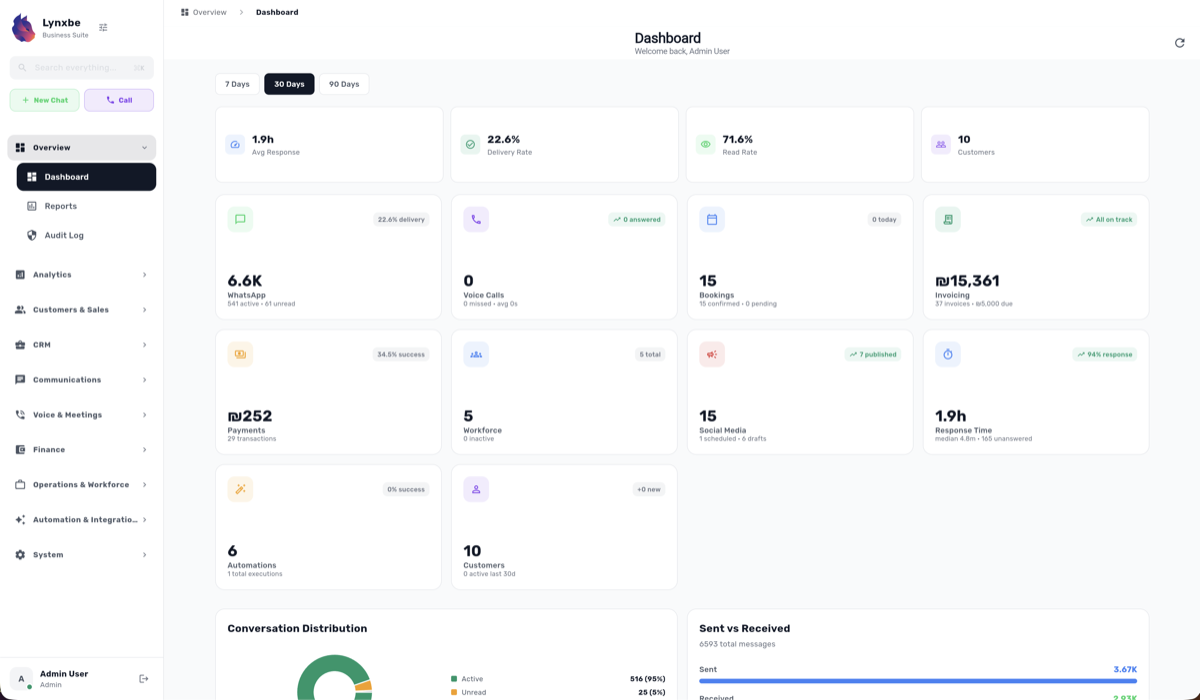
In today's digital age, Customer Relationship Management (CRM) has become a cornerstone for businesses of all sizes. A CRM system enables businesses to track interactions with customers, streamline sales processes, and enhance customer experience. With a plethora of options available in the market, choosing the right CRM system for your business can be a challenging task.
In Israel, the CRM market is rapidly evolving, with diverse solutions catering to different business needs. Whether you are a founder of a small startup or a manager of a large company, it is crucial to understand the advantages and disadvantages of each system to make the right decision. This article will review the key features of popular CRM systems in Israel, their costs versus benefits, considerations for use in different businesses, and how to transition to a new system easily and efficiently.
Of course, this is a choice that affects the success of your business, so it is important to take the necessary time to conduct thorough research. We will begin by comparing the features of various CRM systems, addressing costs and benefit data, and providing practical examples from the Israeli market. So, let’s get started!
Comparison of Features of Popular CRM Systems
One of the most popular systems in Israel is Salesforce. Salesforce is known for its advanced capabilities and flexibility. The system offers a wide range of features such as sales management, customer service management, data analytics, and marketing automation. Additionally, Salesforce provides customized solutions and integrations with other systems, making it a popular choice among technology companies and startups.
Another system is HubSpot, which is primarily a free CRM system with paid upgrade options. HubSpot focuses on digital marketing services, sales management, and customer support. Additional features include lead management, user data analytics, and content management tools. HubSpot is particularly suitable for small and medium-sized businesses looking for an easy-to-use solution without high costs.
Another system worth mentioning is Zoho CRM. Zoho offers a wide range of tools for managing customer relationships, including business process automation, project management, advanced analytics tools, and more. The system is suitable for businesses of all sizes and offers solutions at very affordable prices, making it popular among businesses in the country.
Finally, Monday.com, which started as a project management tool, also offers CRM solutions. The system allows businesses to manage all work processes in one place, with a user-friendly and intuitive interface. Monday.com is suitable for businesses looking for a combination of project management with customer relationship management.
Cost vs. Benefit for Each System
When examining the costs of different systems, it is important to understand that it is not just about the monthly subscription price but also about the benefits and added value that the system provides. Salesforce, for example, is relatively expensive, but it offers customized solutions and advanced automations that can save time and money in the long run. For large companies with complex needs, the investment may be worthwhile.
HubSpot, on the other hand, offers many free solutions, which attracts small and medium-sized businesses. While there are limitations on the free features, for companies just starting out, this can be an excellent option to begin and get accustomed to working with a CRM system without spending a lot of money.
Regarding Zoho, it is a balanced solution between cost and benefit. The system offers plans at affordable prices with a wide range of features, making it an attractive option for small and medium-sized businesses. It also has upgrade options with advanced add-ons.
Monday.com, with its user-friendly interface, offers the option of combining project management with customer relationship management, but its cost may be higher for businesses looking for a CRM-only solution. Businesses should consider their needs before making a decision.
Considerations for Use in Different Businesses
When choosing a CRM system, there are several considerations that businesses need to take into account. First, consider the size of the business and the number of users expected to use the system. For example, small businesses may prefer systems like HubSpot or Zoho, while large businesses may opt for Salesforce due to its customization capabilities.
Second, consider the types of customers and interactions the business engages in. If the business focuses on customer service, a system with advanced customer service tools like Salesforce will be more useful. Conversely, businesses focused on sales may find HubSpot or Zoho more suited to their needs.
Additionally, think about the customization capabilities of the system. Businesses with unique needs may require customized solutions, and in this case, a system like Salesforce would be the best option. Conversely, businesses looking for a simple and easy-to-use system will find HubSpot or Monday.com more suitable.
Finally, it is also important to consider the support and resources the system provides. Systems like Salesforce offer extensive support and training options, but may be expensive. Small businesses may prefer systems that provide support on a free or low-cost basis.
Guide to Transitioning to a New System
Transitioning to a new CRM system is a process that can be complex, but with proper planning, it can be done smoothly. The first step is to conduct in-depth research on the needs of the business and the existing systems in the market. Understand what the expectations are for the new system and what important features it should have.
Choosing the system is the next step. After understanding your needs, compare the different options and select the most suitable system. It is important to conduct trials with free versions or demos of the various systems to get a better feel for the interface and functions.
Once you have chosen a system, start the transition process. This includes transferring data from the old system to the new system. It is important to plan the process and ensure that the data is transferred correctly and securely. It is advisable to back up all data before starting the process.
After the data has been transferred, invest time in training the staff on the new system. Effective training will ensure that the staff is prepared to use the system and fully leverage its benefits.
Finally, do not forget to monitor the use of the system and make improvements as needed. Gathering feedback from the team will help you understand whether the system meets the expectations and needs of the business.
Real Cases from the Israeli Market
For example, take Wix, one of the leading companies in development in Israel. Wix chose to use Salesforce to manage its customer relationships. The system allows them to manage all business processes in one place, streamlining work and improving customer experience.
On the other side, Gett, a taxi service provider, chose Zoho CRM. Zoho allows them to manage all leads and customers simply and conveniently, and the system's affordable price helps them keep costs low.
Another example is AppsFlyer, which used HubSpot for managing relationships with its customers. HubSpot allowed them to manage marketing and sales processes automatically, saving them a lot of time and resources.
Finally, Monday.com itself is an excellent example of a successful CRM system. They use their system to manage all work processes, sales, and customers. The combination of project management and CRM offers them a comprehensive solution that streamlines work.
Best Practices and Tips
When choosing a CRM system, it is advisable to pay attention to several best practices. First, take the time to train the team on how to use the system. Proper training will ensure that the team knows how to leverage all the tools the system offers.
Second, it is wise to define clear metrics for success. These metrics can include the number of leads the system has managed to generate, the deal closure rate, and even customer experience. Clear metrics can help you understand whether the system meets expectations.
Additionally, it is advisable to update the system regularly. Advanced technologies are constantly being updated, and investing in updates will help improve the use of the system and ensure that your business is at the forefront of technology.
Finally, ensure regular data backups. Data is the most important asset of the business, and it is not wise to take unnecessary risks. Make sure to back up all data in the system periodically.



Comments
💬 Share your thoughts