What is the difference between CRM and ERP for your Israeli business?
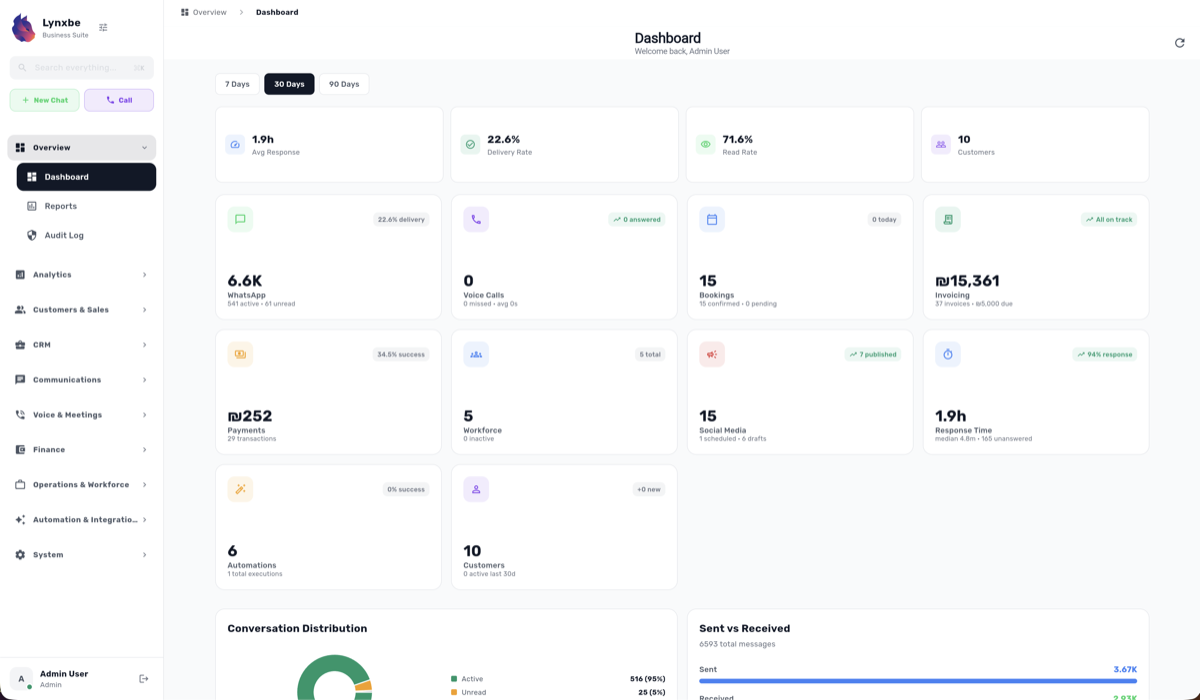
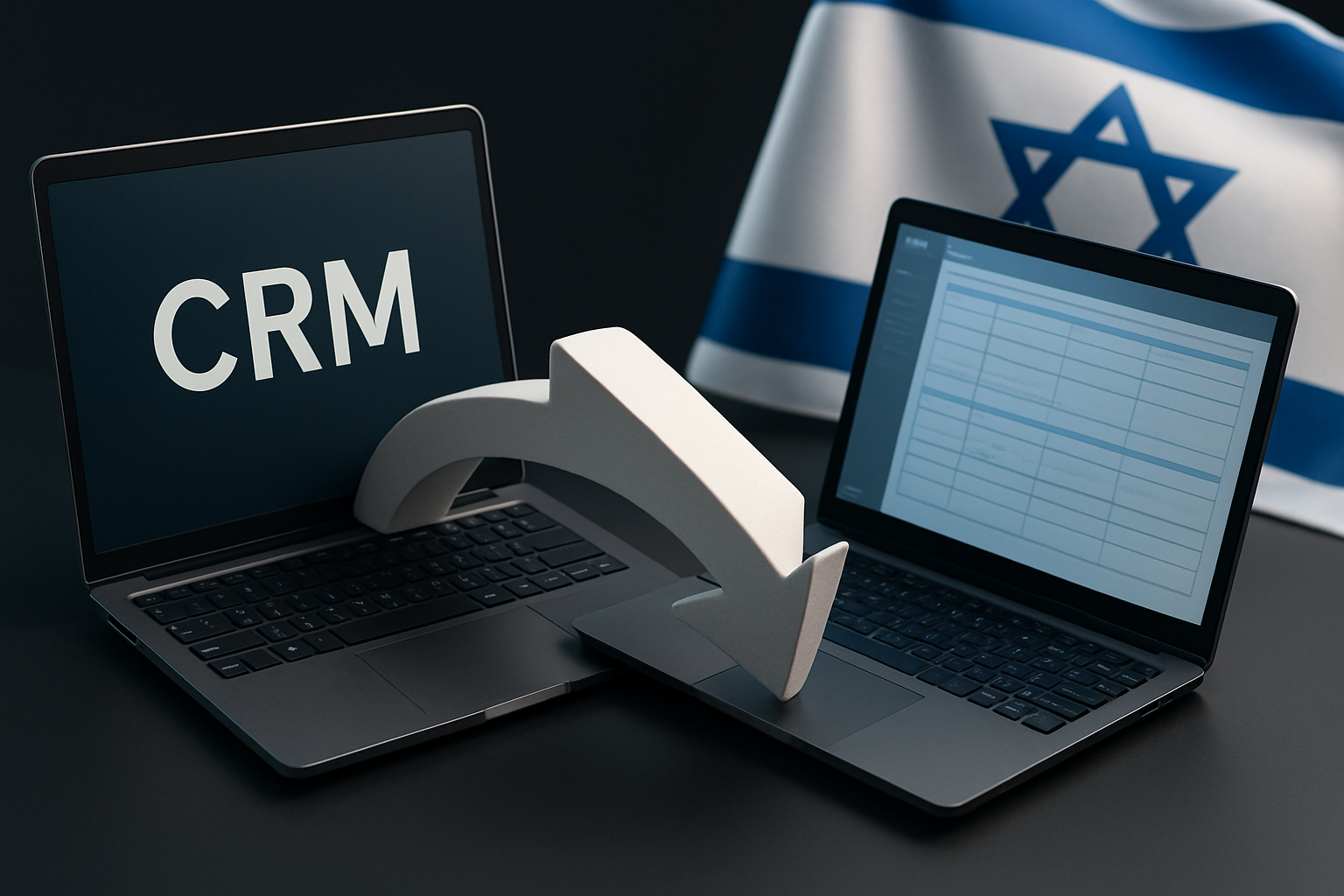
In today's competitive world, businesses in Israel are required to operate advanced technology systems to remain relevant and improve operational efficiency. One of the central questions that occupy managers and entrepreneurs is what is the difference between a CRM system (Customer Relationship Management) and an ERP system (Enterprise Resource Planning). When it comes to these systems, it is important to understand the advantages, uses, and specific needs of each business in order to choose the most suitable solution.
A CRM system focuses on building relationships with customers, managing sales, and customer service. It provides tools for managing communication with customers, analyzing customer data, and automating sales processes. On the other hand, an ERP system focuses on managing the internal resources of the organization, such as production, logistics, finance, and inventory. It provides a broad picture of all business activities and helps improve internal processes.
In the following sections, we will delve into the differences between the systems, present various use cases, and examine how both systems can be integrated to achieve optimal results for Israeli businesses.
Advantages of a CRM System
A CRM system offers a wide range of advantages that can improve business performance. First, it allows businesses to systematically manage all information related to customers. This includes contact details, purchase history, and personal preferences. By analyzing this information, businesses can develop personalized offers for their customers, which can increase conversion rates and improve customer loyalty.
Second, a CRM system provides tools for automating sales processes. For example, automatic processes can be set up for sending emails to potential customers, scheduling meetings, and tracking leads. This saves time and resources, allowing sales teams to focus on more important tasks.
Additionally, a CRM system can improve customer service. When all information is available in one place, customer service teams can provide quicker and more accurate responses to customer inquiries and issues. This leads to an improved customer experience, which can result in positive recommendations and enhance the company's reputation.
Advantages of an ERP System
An ERP system offers additional important advantages, primarily in managing organizational resources. One of the main advantages of an ERP system is the ability to provide real-time data on all business activities. This allows managers to make data-driven decisions, reducing the risk of errors and increasing efficiency.
Moreover, an ERP system improves coordination between different departments within the organization. When all information is available on a central platform, sales personnel, finance, and logistics departments can collaborate more effectively. This leads to streamlined processes, time savings, and reduced operational costs.
An ERP system also allows businesses to track financial performance accurately. Through advanced financial reports, businesses can understand their economic situation, identify potential issues, and plan their next steps more intelligently. This can also include automated inventory management, which reduces the need for manual tracking and minimizes errors.
Specific Use Cases for Different Industries
When we examine the uses of CRM and ERP systems in different industries, clear differences can be seen. For example, in the retail sector, a CRM system can serve as a tool for managing customer relationships, sending personalized offers and promotions, while an ERP system can manage inventory and ensure that there are no product shortages.
In the high-tech sector, many companies use a CRM system to manage customer and partner relationships. For example, an Israeli startup may use CRM tools to manage relationships with potential investors and maintain contact with existing customers. Meanwhile, an ERP system will assist in managing the company's internal resources, including project management and human resources.
In the services sector, such as consulting firms or technology companies, a CRM system can improve project management and customer relationships. An ERP system will assist in managing budgets and the resources required for each project. This way, each department can focus its efforts on improving service and efficiency.
Do You Need Both Solutions or Just One?
The question of whether to choose a CRM system, an ERP system, or both solutions is a critical question for every manager and business owner. The answer depends on the specific business needs of the company. Small businesses may suffice with a CRM system alone, especially if they focus on sales and customer service. In contrast, larger businesses or those with complex processes may require both solutions to manage all aspects of business operations.
It is also important to remember that the market offers integrated system solutions, which allow for the inclusion of CRM and ERP functions in the same solution. This can ease the management of all information and data, providing convenient access for all internal teams.
Integration Between the Systems: Improving Operations
Integration between a CRM system and an ERP system can lead to significant improvements in business operations. When the systems are connected, information flows smoothly between different departments. For example, when the sales team makes a sale, the information is automatically transferred to the ERP system, so inventory is updated immediately.
This type of integration can enhance the customer experience. If a customer orders a product, the service team can track the order in real time and provide accurate information on the status of the shipment. This prevents confusion and increases customer satisfaction.
Additionally, when the systems are connected, data received from the CRM system can be used to optimize processes in the ERP system. For instance, if the system detects an increase in demand for a particular product, the inventory management team can respond quickly and order additional stock. This leads to streamlined processes and cost reductions.
Use Cases from the Israeli Market
In many Israeli high-tech companies, such as WIX or Fiverr, the impact of using CRM and ERP systems on work processes can be seen. For example, WIX uses a CRM system to manage customer relationships and automates sales processes. At the same time, the company utilizes an ERP system to manage its internal resources, including project management and budget oversight.
Retail companies like Super-Pharm use CRM systems to manage customer relationships and send offers and promotions. These systems help improve sales as well as customer service. Meanwhile, the ERP system assists in managing inventory and logistics, ensuring that products are available to customers on time.
In the services sector, consulting firms like BDO use CRM systems to manage projects and interact with clients. The information collected in the CRM system helps companies understand customer needs and tailor their services accordingly. Simultaneously, the ERP system supports resource management, ensuring that projects run smoothly.
Tips and Recommendations for Using CRM and ERP Systems
To ensure that the use of CRM and ERP systems is effective, several tips should be considered. First, it is recommended to conduct thorough market research before selecting a system. It is important to examine the specific needs of the business and ensure that the chosen system fits those needs.
Second, it is crucial to design clear and efficient processes. Before implementing the system, it is essential to ensure that teams understand the new processes and know how to use the system optimally. Proper training will help reduce errors and improve system usage.
Finally, it is advisable to monitor system performance over time. It is important to identify the most important metrics for the business and ensure that the system supports them. If necessary, adjustments can be made to improve performance.
Conclusions and Recommendations for Action
In conclusion, the distinction between CRM and ERP is critical for every business in Israel. Each system offers different advantages, and the choice between them should be made according to the specific needs of the organization. Some businesses may suffice with one system, while others will benefit from a combination of both.
Integration between the systems can improve operational efficiency, increase customer satisfaction, and assist in better resource management. With technological advancements and the advanced solutions offered in the market, businesses in Israel can find the most suitable solution for their needs.
If you manage a business in Israel, it is worth considering the impact of using CRM and ERP systems on your operations. Investing in these systems will not only improve internal processes but also help you provide better service to your customers. Do not hesitate to seek professional advice to understand what the best solution is for you.



Comments
💬 Share your thoughts