Guide to Transitioning Between CRM Platforms for Israeli Businesses
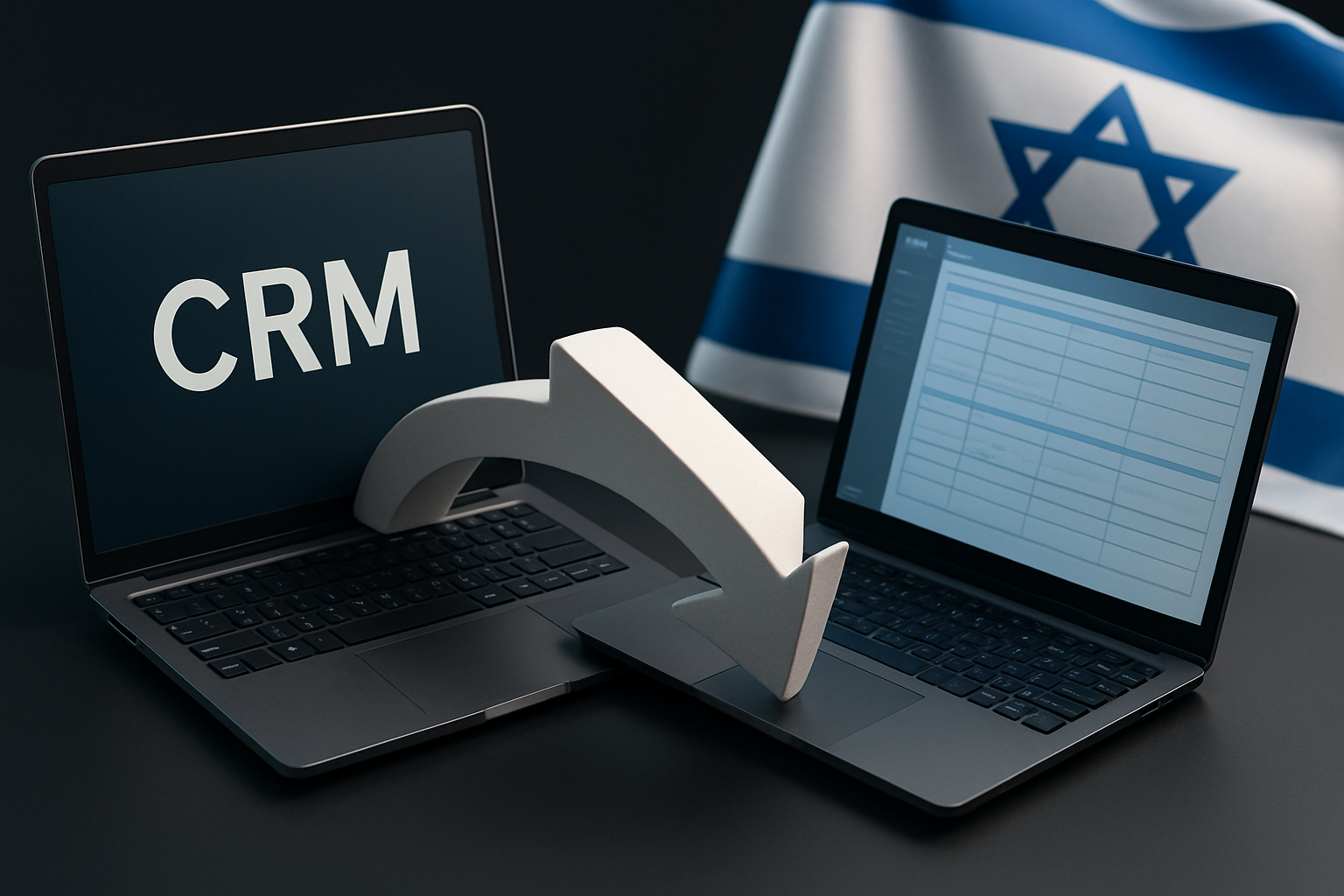
In the modern business world, Customer Relationship Management (CRM) has become a cornerstone of every company. These systems allow businesses to manage their relationships with customers in an organized and effective manner, but sometimes there is a need to transition from one CRM platform to another. This transition may seem daunting, especially for small or medium-sized businesses in Israel, but with proper planning, it can be carried out smoothly and risks minimized.
In this article, we will present a comprehensive guide for transitioning between CRM platforms, focusing on key steps, ways to minimize data loss, comparing different platforms, and methods to maintain business continuity during the transition. If you manage a business in Israel, or are in technology, this information could be critical for you.
Whether you manage a tech startup or an established company, understanding the process of transitioning between CRM platforms will help you make more informed decisions and avoid potential issues in the future. Let's begin by outlining the necessary steps for a smooth transition.
Steps for the Actual Transition from One System to Another
The first step in transitioning between CRM platforms is a thorough planning of the transition process. It's important to understand what your goals are and what you hope to achieve from the upgrade. For example, are you looking for new features that can enhance your relationship management with customers? Is there a need for performance improvement or enhancing the user experience?
After defining your goals, the next step is to identify the new platform that fits your needs. You should examine the features of the new platform, its integration capabilities with other systems your business uses, and the technical support offered.
All necessary data must be entered into the new platform. This includes customers, transactions, communication history, and more. Here, it is crucial to adhere to the data transfer process, as any mistake could lead to the loss of critical information.
How to Minimize Data Loss During the Transition
Data loss is one of the biggest concerns during a transition between CRM platforms. To minimize data loss, it is advisable to start by performing a full backup of all existing data. This backup will ensure that in case of a failure during the transition, you can restore the necessary information.
The next step is to use tools or services designed for transferring data between platforms. Such tools can facilitate the transfer process and minimize the risk of data loss. There are several tools on the market, such as Zapier or Integromat, that allow for automatic data transfers.
It is also important to ensure that all transferred data is verified after the transfer. You should compare the data in the old and new systems and ensure there are no significant discrepancies. If issues are discovered, you should return to the data sources and correct the identified problems.
Comparing Different Platforms and Which Ones are Suitable for Your Business
In Israel, there are several popular CRM platforms, including Salesforce, HubSpot, Zoho CRM, and Monday.com. Each platform offers different advantages and disadvantages, so it is important to conduct an accurate comparison that fits the specific needs of your business.
Salesforce is considered one of the leaders in the field, offering a comprehensive solution with many capabilities. However, it may be too expensive for small businesses. HubSpot, on the other hand, offers a free version with basic capabilities, making it an excellent option for startups and small ventures.
Zoho CRM offers impressive flexibility and a reasonable price, while Monday.com focuses on project management and work management but also includes CRM capabilities. It is important to choose the platform that fits the size of your business, your budget, and your specific needs.
Methods to Maintain Business Continuity During the Transition
Transitioning between CRM platforms should not halt your business operations. To maintain business continuity, it is advisable to plan the transition in advance and carry it out during non-active hours, such as on weekends or in the evenings.
Additionally, it is important to inform your team about the transition and provide appropriate training on using the new platform. This training will help prevent confusion and ease the transition.
If you have active customers during the transition, make sure they are aware of the changes and the situation. You may consider using emails or messages to update customers on the upgrade and maintain transparency throughout the process.
Practical Cases from the Israeli Tech World
For example, take the company Wix, which started as a website-building system. Over time, they recognized the need to manage their relationships with customers in a more organized manner and therefore transitioned to an advanced CRM platform. During the transition, they performed a full backup of all data and checked the information transferred to the new platform to minimize errors.
Another example is Monday.com, which began using an internal CRM system but identified the need for an upgrade. They transitioned to a more comprehensive CRM platform and prepared the team for training on the new tools. The transition was carried out smoothly, and the team was able to continue working without interruptions.
Another case is that of an Israeli crowdfunding company, which used an old CRM system that caused it to lose important data. After deciding to transition to a new platform, they conducted a meticulous backup process and worked with experts in the field to ensure that the information would not be lost. Their transition was successful, and they managed to recover the lost data.
Best Practices and Tips
To ensure that the transition between CRM platforms goes smoothly, consider the following advice. First, always perform a full backup of all data before the transition. This is a critical step that can save you headaches in the future.
Second, do not rush. Comprehensive planning is the key to success. Take the time to choose the platform that best fits your needs, and then plan the transition carefully.
Finally, maintain communication with your team. Let them understand what is happening during the transition and what to expect. This can reduce stress and keep everyone informed.
Actionable Insights and Takeaways
Transitioning between CRM platforms is a complex process, but with the right understanding and appropriate preparation, it can be carried out relatively easily. Starting the process with careful planning, data backup, and platform comparison will help you minimize issues.
Remember that training your team is critical to success. The more updated and skilled your staff is, the smoother the transition will be.
In conclusion, do not forget to monitor the processes after the transition and ensure there are no issues with the data or with using the new system. This is a critical step to ensuring long-term success.
Summary and Call to Action
Transitioning between CRM platforms is a challenge that may seem daunting, but with proper planning and precise work methods, it can be successfully accomplished. If you manage a business in Israel or are in technology, investing time and effort in this process may yield significant benefits in the future.
If you are interested in more information or need assistance with your transition process, do not hesitate to reach out to experts in the field. They can help you choose the most suitable platform and carry out the transition smoothly.



Comments
💬 Share your thoughts