Harnessing AI for Cybersecurity: Israeli Innovations 2025

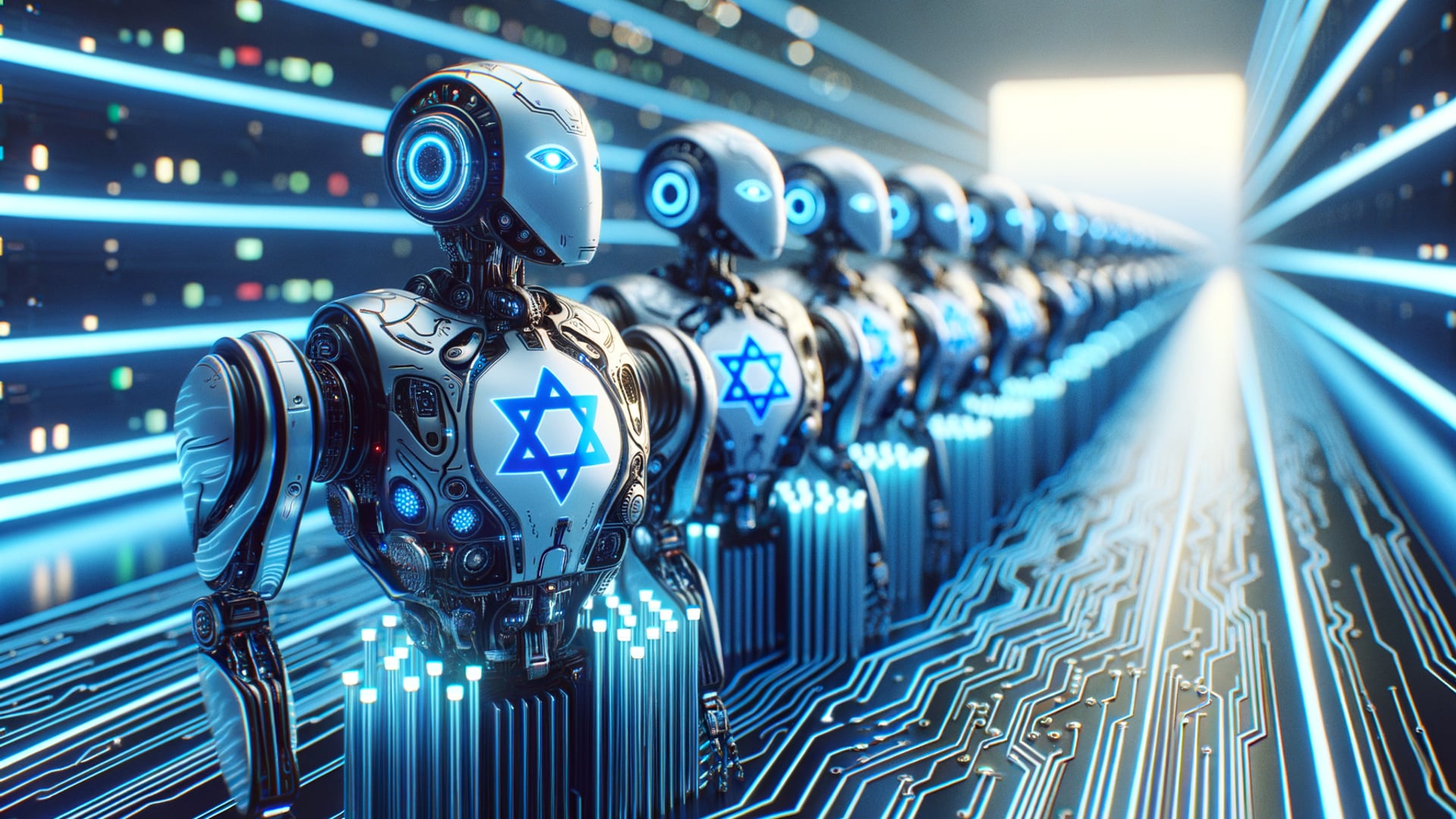
As we approach 2025, the landscape of cybersecurity is being dramatically transformed through the integration of artificial intelligence (AI). In Israel, a country synonymous with technological innovation, startups are at the forefront of harnessing AI to combat increasingly sophisticated cyber threats. The convergence of AI and cybersecurity represents not just a trend but a necessity, as organizations worldwide grapple with the implications of a digital-first world.
The Israeli tech ecosystem has birthed numerous startups that are pioneering AI-driven cybersecurity solutions. Companies like SentinelOne and Cybereason are not only developing cutting-edge technologies but are also setting benchmarks in the industry. These innovations aim to automate threat detection, improve response times, and ultimately mitigate the risks that cyber threats pose to businesses and consumers alike.
The importance of AI in cybersecurity cannot be overstated. Traditional methods of threat detection often fall short in the face of advanced persistent threats (APTs) and zero-day vulnerabilities. AI, with its ability to analyze vast amounts of data in real-time, is uniquely positioned to enhance the efficacy of security protocols. This blog post will explore the innovative Israeli startups leading the charge, present case studies showcasing successful AI implementations, discuss practical integration steps, and offer insights into future trends shaping this dynamic field.
Understanding the nuances of how AI can be effectively utilized in cybersecurity requires a closer examination of the startups that are making significant strides in this domain. These companies are not only creating products but are also reshaping the cybersecurity landscape with their visionary approaches.
Overview of Top Israeli AI Cybersecurity Startups
Israel is home to a vibrant ecosystem of cybersecurity startups, many of which are leveraging AI to provide innovative solutions. One standout example is SentinelOne, known for its autonomous endpoint protection platform. The company's use of AI enables it to predict, prevent, and respond to threats in real time. By utilizing machine learning algorithms, SentinelOne can analyze behavioral patterns and detect anomalies that signify a potential breach.
Another notable player is Cybereason, which offers a comprehensive endpoint detection and response (EDR) solution. Their platform incorporates AI to provide deep visibility into endpoint activities and streamline incident response. Cybereason's unique approach combines behavioral analysis with automated investigation processes, empowering organizations to respond faster and more effectively to threats.
Illusive Networks is yet another innovative Israeli startup focused on deception technology. By creating decoy environments, Illusive's AI-driven platform lures attackers into fake vulnerabilities, allowing organizations to detect and analyze intrusions before they cause harm. This proactive approach exemplifies how AI can be applied in novel ways to enhance security measures.
In addition to these companies, there are many others like Check Point Software Technologies and Darktrace, which are also pioneering AI applications in cybersecurity. Check Point, a veteran in the field, has embraced AI in its threat prevention strategies, while Darktrace has developed an AI-driven immune system for networks that autonomously detects and responds to threats.
Case Studies on Successful AI Implementations
To truly appreciate the impact of AI in cybersecurity, it's essential to delve into real-world implementations. A prominent case involves SentinelOne's collaboration with a large financial institution that faced persistent phishing attacks. Prior to integrating SentinelOne's solution, the organization struggled to manage the volume of alerts generated by its existing security systems.
After deploying SentinelOne's AI-driven platform, the financial institution saw a dramatic reduction in false positives. The solution's machine learning capabilities allowed it to distinguish between benign and malicious activities effectively. This not only streamlined the incident response process but also enhanced the security team's focus on genuine threats, leading to a significant decrease in successful phishing attempts.
Another compelling case is Cybereason's partnership with a multinational energy company. This organization was grappling with sophisticated cyberattacks targeting its critical infrastructure. By implementing Cybereason's AI-powered EDR solution, the company gained unparalleled visibility into its network activities.
The platform's advanced analytics capabilities enabled the security team to detect unusual behaviors indicative of an attack. This proactive stance allowed the energy company to neutralize threats before they could escalate, showcasing the transformative power of AI in safeguarding vital operations.
Practical Steps for Integrating AI into Existing Systems
Integrating AI into cybersecurity systems is a multifaceted process that requires careful planning and execution. Organizations must first assess their current security posture and identify areas where AI can add value. This often involves evaluating existing technologies, processes, and data management practices.
Next, organizations should consider investing in AI training for their cybersecurity teams. Understanding the underlying principles of AI and machine learning is crucial for effective implementation. Many Israeli startups offer training programs and workshops that focus on AI applications in cybersecurity, making it easier for professionals to get up to speed.
Once the foundation is set, organizations can begin to pilot AI solutions alongside their traditional systems. This approach allows for a phased integration that minimizes disruptions while providing valuable insights into the effectiveness of the AI tools being deployed. Monitoring and adjusting the integration process based on feedback and performance metrics are essential to ensure success.
Data is the lifeblood of AI, and organizations must ensure they have robust data collection and management practices in place. This involves consolidating data from various sources, including endpoint devices, network traffic, and user behavior. Additionally, organizations may need to invest in data labeling and curation to train their AI models effectively.
Future Trends in AI and Cybersecurity
As we look towards the future, several trends are likely to shape the intersection of AI and cybersecurity in Israel and beyond. One significant trend is the increasing emphasis on explainable AI (XAI). As organizations deploy AI solutions to make critical security decisions, there will be a growing demand for transparency regarding how these decisions are made.
This push for explainability will not only enhance trust among users but also facilitate regulatory compliance. Companies that proactively adopt XAI principles will likely gain a competitive edge, especially in industries with stringent data protection regulations.
Another emerging trend is the integration of AI with other advanced technologies such as blockchain. This combination has the potential to enhance data integrity and security while providing a decentralized approach to identity management. Israeli startups are already exploring these synergies, leading to innovative solutions that address contemporary cybersecurity challenges.
Furthermore, the rise of remote work has introduced new vulnerabilities, making AI-driven security solutions that can adapt to changing environments more critical than ever. Future AI systems will need to continuously learn and evolve, leveraging real-time data to respond to emerging threats in a way that traditional systems cannot.
Real-World Use Cases from the Israeli Tech Scene
The success stories emerging from Israeli startups illustrate the practical impact of AI on cybersecurity. For instance, a leading Israeli healthcare provider implemented a solution from Darktrace to protect sensitive patient data. The AI system autonomously detected unusual access patterns, flagging potential breaches and allowing the provider to act swiftly to safeguard patient information.
In another example, an Israeli e-commerce platform utilized the AI capabilities of Cybereason to protect against payment fraud. By analyzing transaction patterns in real-time, the system could identify suspicious activities and prevent fraudulent transactions before they occurred. This not only saved the company significant financial losses but also enhanced customer trust.
Additionally, check Point's use of AI to combat ransomware attacks has garnered attention. By employing machine learning algorithms to analyze historical attack patterns, the company's solution can predict and mitigate potential ransomware threats, providing organizations with an added layer of defense against these increasingly common attacks.
These case studies highlight the diverse applications of AI in addressing real-world cybersecurity challenges. As more organizations recognize the benefits of integrating AI into their security frameworks, the demand for innovative solutions from Israeli startups is likely to continue growing.
Best Practices and Tips
For organizations looking to leverage AI in their cybersecurity efforts, there are several best practices to consider. First and foremost, it is essential to maintain a proactive security posture. This means regularly updating security protocols, conducting penetration testing, and staying informed about emerging threats in the cybersecurity landscape.
Another critical best practice is to foster collaboration between IT and security teams. AI implementation should not be siloed; instead, cross-departmental collaboration can lead to more holistic security strategies. Sharing insights from AI-driven analytics across teams can enhance overall situational awareness and response capabilities.
Investing in continuous learning is equally important. The cybersecurity landscape is ever-evolving, and staying abreast of the latest AI developments is crucial for maintaining an effective defense. Organizations should encourage their teams to participate in training programs, attend industry conferences, and engage with the broader cybersecurity community.
Lastly, organizations should prioritize data privacy and compliance. As AI systems process vast amounts of data, ensuring adherence to data protection regulations is paramount. This includes implementing robust data governance policies and regularly auditing AI systems to ensure they operate within legal and ethical boundaries.
Actionable Insights and Takeaways
In conclusion, harnessing AI for cybersecurity represents a significant opportunity for organizations to enhance their security posture. The Israeli tech ecosystem is rich with innovative startups that are pioneering AI solutions tailored to address contemporary cybersecurity challenges.
Organizations should take a strategic approach to integrating AI into their cybersecurity frameworks. This involves assessing current needs, investing in training, and adopting best practices that foster collaboration and continuous learning.
As we move towards 2025, the landscape of cybersecurity will continue to evolve, driven by advancements in AI technology. Organizations that stay ahead of these trends will not only protect their assets but also position themselves as leaders in the digital age.
Conclusion and Call to Action
As we witness the fusion of AI and cybersecurity, the imperative for organizations is clear: adapt or risk being left behind. The innovative solutions emerging from Israeli startups are not just enhancing security; they are redefining how we understand and respond to cyber threats.
We encourage tech professionals, developers, and startup founders to explore the AI-driven cybersecurity landscape actively. Engage with Israeli startups, participate in discussions, and invest in training to equip your teams with the knowledge necessary to leverage AI effectively.
The future of cybersecurity is bright, and with the right strategies and tools, organizations can not only safeguard their operations but also thrive in an increasingly complex digital world. Together, let's embrace the potential of AI to create a safer cyberspace.



Comments
💬 Share your thoughts