Harnessing AI for Cybersecurity: Israeli Innovations in 2025
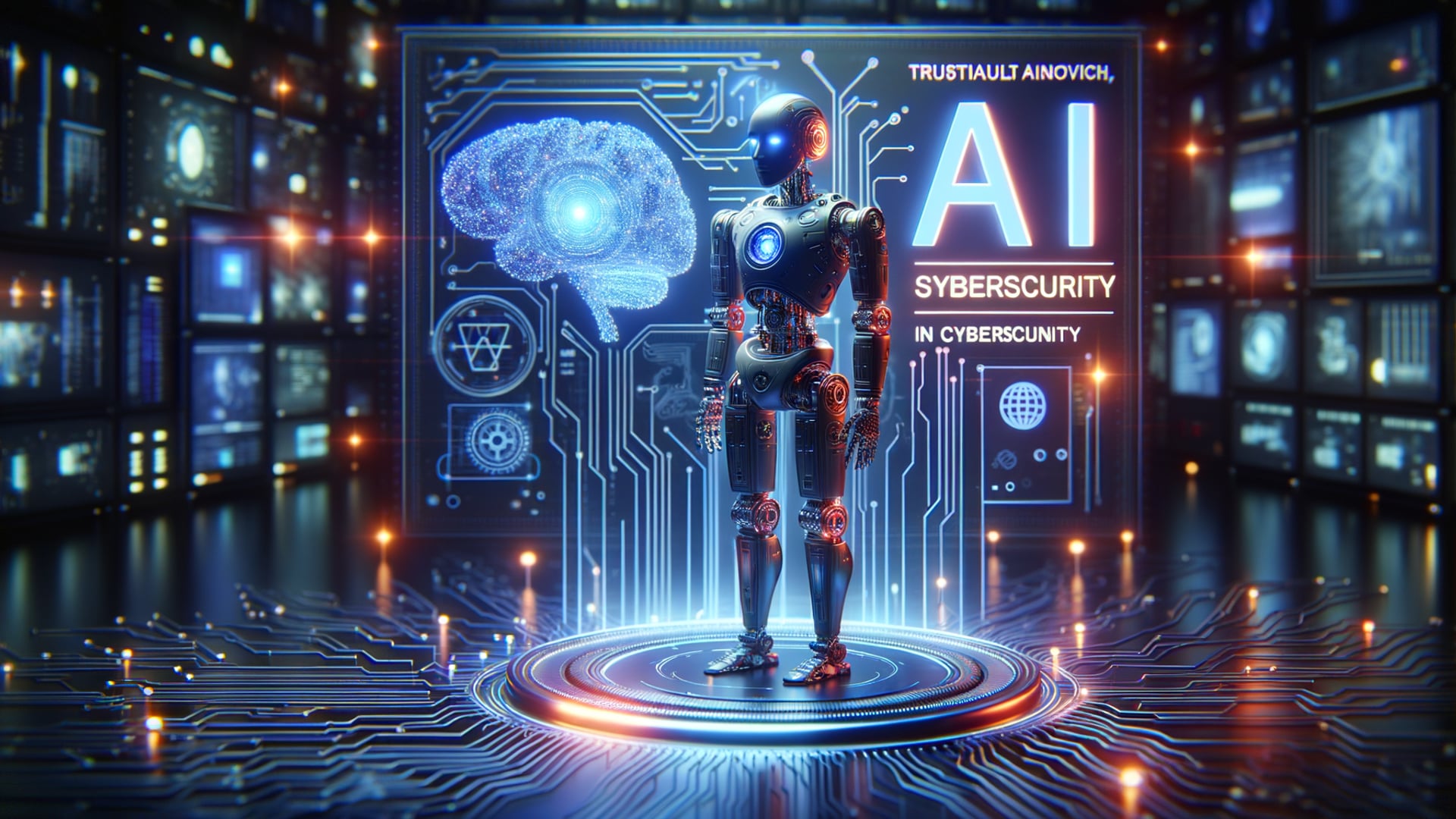
Harnessing AI for Cybersecurity: Israeli Innovations in 2025
In the fast-evolving landscape of cybersecurity, the integration of artificial intelligence (AI) is becoming not just an advantage but a necessity. As cyber threats grow more sophisticated, companies are turning to AI-driven solutions to bolster their defenses. Israel, known for its vibrant tech ecosystem and innovation in cybersecurity, is at the forefront of this transformation. In 2025, we will witness even more groundbreaking advancements as Israeli companies harness AI to protect sensitive data and infrastructure.
The intersection of AI and cybersecurity presents a unique opportunity for tech professionals, developers, and startup founders in Israel. With the demand for robust cybersecurity solutions skyrocketing, understanding the innovations being developed in this field is critical. This blog post will explore the leading Israeli companies at the forefront of AI in cybersecurity, successful case studies of AI implementation, and practical tips for integrating these technologies into existing security frameworks.
As we dive into this topic, we'll highlight the future trends in AI and cybersecurity that startups should monitor closely. The Israeli tech scene is ripe with potential, and the innovations emerging from this vibrant community are set to redefine the cybersecurity landscape. For anyone involved in tech, this is an exciting time to engage with AI's potential in safeguarding our digital world.
Overview of Israeli Companies Leading the AI Cybersecurity Frontier
Israel is home to a plethora of innovative companies that are leading the charge in AI-enhanced cybersecurity solutions. One such company is Cybereason, which leverages AI algorithms to detect and respond to cyber threats in real-time. Their Behavioral Analytics platform analyzes user behavior and network traffic to identify anomalies that may indicate a security breach.
Another notable player is SentinelOne, which utilizes AI to automate endpoint protection. Their platform employs machine learning models to predict, prevent, and respond to threats, significantly reducing the time and resources required for security operations. As organizations increasingly adopt remote work policies, the demand for such solutions is only expected to rise.
Check Point Software Technologies, a pioneer in the cybersecurity industry, is also making strides in AI. Their Infinity architecture combines advanced threat prevention with AI-driven security management. This integration allows for a more proactive approach to cybersecurity, enabling organizations to anticipate threats before they manifest.
Furthermore, companies like Darktrace are redefining the industry standards with their self-learning AI technology. Darktrace's Enterprise Immune System leverages machine learning to adapt and respond to new threats in real-time, mimicking the human immune system in its approach to cybersecurity.
Case Studies of Successful AI Implementations in Cybersecurity
To illustrate the effective integration of AI within cybersecurity, consider the case of a prominent Israeli financial services firm that adopted an AI-driven threat detection system. Faced with a rising tide of sophisticated phishing attacks, the firm implemented a solution that utilized natural language processing (NLP) to analyze incoming emails and detect malicious content.
By employing machine learning models trained on historical phishing attempts, the system achieved an impressive accuracy rate of 95%. This proactive approach not only reduced the number of successful phishing attacks but also saved the organization significant resources that would have otherwise been spent on remediation.
Another compelling example comes from a healthcare provider in Israel that implemented AI to enhance its network security. The organization faced challenges in securing sensitive patient data against ransomware attacks. By adopting an AI-based anomaly detection system, the healthcare provider was able to monitor network traffic in real-time.
The AI model was trained on vast datasets of normal network behavior, enabling it to identify deviations that could indicate a breach. As a result, the healthcare provider detected and mitigated potential ransomware attacks before they could compromise patient data, showcasing the power of AI in safeguarding critical information.
Practical Tips for Integrating AI into Existing Security Frameworks
For organizations looking to integrate AI into their cybersecurity frameworks, several best practices should be considered. First and foremost, it’s essential to assess the current security landscape and identify specific areas where AI can add value, such as threat detection, incident response, or user authentication.
Next, organizations should ensure they have access to quality data for training AI models. High-quality, labeled datasets are crucial for developing effective machine learning algorithms. This may involve curating internal data or leveraging third-party datasets that reflect the organization's unique environment.
Collaboration between data scientists and cybersecurity experts is also vital for successful AI integration. By combining domain expertise with data analytics capabilities, organizations can create models that accurately reflect the complexities of their security challenges.
Moreover, organizations should adopt a phased approach to implementation. Starting with pilot projects allows for testing and refinement of AI systems before full-scale deployment. This iterative process helps organizations gather feedback and make necessary adjustments, ensuring a smoother transition.
Future Trends in AI and Cybersecurity That Startups Should Watch
As we look ahead to the future of AI in cybersecurity, several trends are emerging that startups should keep an eye on. One significant trend is the rise of AI-driven automated security operations centers (SOCs). These SOCs utilize AI to automate threat detection and response, enabling organizations to operate with reduced manpower while maintaining robust security postures.
Additionally, the growing emphasis on privacy-preserving AI is gaining traction. As regulations around data privacy continue to evolve, startups will need to develop AI solutions that prioritize user privacy while still providing effective security measures. Techniques such as federated learning and differential privacy are becoming increasingly relevant in this context.
Another trend is the integration of AI with blockchain technology. As cyber threats become more sophisticated, the need for secure and transparent systems has never been greater. AI can enhance the security of blockchain networks by identifying potential vulnerabilities and preventing unauthorized access.
Finally, the concept of AI-driven threat intelligence is gaining momentum. Startups that can harness machine learning to analyze and predict emerging threats will be well-positioned to offer valuable solutions to organizations looking to stay ahead of cybercriminals.
Real-World Use Cases from the Israeli Tech Scene
One of the most prominent case studies in Israel involves a major telecommunications company that faced increasing cyber threats targeting its infrastructure. To combat these challenges, the company implemented an AI-based threat detection system that utilized deep learning algorithms to analyze traffic patterns.
The solution successfully identified previously unknown threats by continuously learning from network behavior. As a result, the telecommunications provider was able to reduce incident response times by over 60%, significantly enhancing its overall security posture.
Another notable example is from a leading Israeli fintech firm that adopted an AI-powered fraud detection system. This system employed machine learning to analyze transaction data in real time, identifying patterns indicative of fraudulent activity. By implementing this solution, the firm reduced false positives by 30% and increased the speed of fraud detection.
Additionally, a well-known Israeli startup focused on smart home devices integrated AI into its security solutions. The company developed a system that utilized computer vision to identify potential intruders. By training its models on thousands of images, the system achieved a high degree of accuracy in distinguishing between legitimate users and potential threats.
Best Practices and Tips for Cybersecurity Integration
When integrating AI into cybersecurity practices, organizations should prioritize continuous monitoring and improvement. Cyber threats are constantly evolving, and AI models must adapt accordingly. Regularly updating training datasets and refining algorithms will help ensure the effectiveness of the AI systems.
It’s also crucial to establish clear communication channels among stakeholders. Involving key personnel from IT, cybersecurity, and compliance teams early on will facilitate a more cohesive approach to AI integration. Establishing a culture of security awareness throughout the organization will further bolster these efforts.
Additionally, organizations should invest in training their staff to effectively use AI tools. Providing training sessions and resources on how to interpret AI-generated insights can empower teams to make informed decisions and respond to threats more effectively.
Actionable Insights and Takeaways
As we navigate the rapidly changing world of cybersecurity, leveraging AI is no longer optional for organizations that aim to stay secure. The Israeli tech scene is teeming with innovations that demonstrate the profound impact of AI on cybersecurity practices.
Startups and organizations should focus on identifying specific areas where AI can enhance their security frameworks. Investing in quality data, fostering collaboration between teams, and adopting phased implementation strategies will pave the way for successful integration.
Moreover, keeping an eye on emerging trends such as automated SOCs, privacy-preserving AI, and AI-driven threat intelligence will empower organizations to remain competitive in the evolving cybersecurity landscape.
Conclusion with Call to Action
The future of cybersecurity is undoubtedly intertwined with the advancements in AI technology. Israeli companies are leading the way in this revolution, developing innovative solutions that not only address current security challenges but also anticipate future threats.
As tech professionals, developers, and startup founders in Israel, now is the time to engage with these innovations and harness the power of AI to enhance your cybersecurity strategies. By staying informed and proactive, you can contribute to a safer digital environment for everyone.
Take the next step: explore AI solutions that fit your organization’s needs, collaborate with industry experts, and be part of the cybersecurity evolution that is shaping our digital future.


Comments
💬 Share your thoughts