Leveraging WhatsApp Business API for SMB Growth in Israel

In the vibrant tech ecosystem of Israel, small and medium-sized businesses (SMBs) are increasingly turning to innovative communication tools to enhance customer engagement and drive growth. One such tool that has gained immense popularity is the WhatsApp Business API. With over two billion active users globally, WhatsApp presents a unique opportunity for SMBs to connect with their customers on a platform they already use daily. As tech professionals and business leaders, understanding how to leverage this API effectively can be a game changer for your business.
The WhatsApp Business API allows businesses to communicate with their customers in a personal, direct, and efficient manner. It provides a powerful platform for sending notifications, customer support messages, and even facilitating transactions—all while maintaining the trusted and familiar interface of WhatsApp. For SMBs in Israel, where competition is fierce and consumer expectations are high, utilizing this tool can significantly enhance customer satisfaction and loyalty.
Setting up the WhatsApp Business API can seem daunting, but it is a straightforward process with the right guidance. In this blog post, we will explore the essential steps to set up the API, share successful case studies from Israeli SMBs, discuss best practices for integration with CRM systems, and offer insights into measuring the return on investment (ROI) from WhatsApp interactions. By the end of this article, you will have a comprehensive understanding of how to leverage the WhatsApp Business API for your business growth in Israel.
Steps to Set Up WhatsApp Business API
The first step in leveraging the WhatsApp Business API is to apply for access. Businesses must go through the WhatsApp Business API application process, which includes verifying your business and ensuring it meets specific guidelines. This process is crucial as it establishes the legitimacy of your business and ensures compliance with WhatsApp's policies.
Once your application is approved, you will need to choose a hosting solution. WhatsApp allows businesses to host the API on their own servers or use a cloud-based solution. The cloud option is often more accessible for SMBs, as it eliminates the need for extensive IT infrastructure and ongoing maintenance. Companies like Twilio and MessageBird offer hosting solutions that simplify the setup process.
After selecting a hosting solution, the next step is to configure the API. This involves setting up webhooks to handle incoming messages and integrating the API with your existing systems. If you have a customer relationship management (CRM) system, you can integrate it with WhatsApp to streamline communication and track customer interactions. The integration can be done using standard REST APIs, making it relatively straightforward for developers.
It's also essential to create a comprehensive messaging strategy. This includes defining the types of messages you will send, the tone of voice, and establishing guidelines for customer interactions. The WhatsApp Business API allows for automated replies, which can be useful for frequently asked questions or initial contact. However, it is crucial to maintain a human touch in your communications to foster genuine connections with your customers.
Case Studies of Successful SMBs Using WhatsApp for Customer Engagement
Numerous Israeli SMBs have successfully harnessed the power of the WhatsApp Business API to enhance customer engagement. For instance, a local boutique named "Fashionista" leveraged WhatsApp to provide personalized shopping experiences. Customers could reach out via WhatsApp to inquire about new collections, receive style recommendations, and even schedule in-store appointments. This direct line of communication increased foot traffic to the store and fostered a loyal customer base.
Another example is the startup "Foodie," which operates in the delivery sector. By integrating the WhatsApp Business API, Foodie allowed customers to place orders directly through the app. The ease of ordering, coupled with timely updates on order status via WhatsApp, significantly improved customer satisfaction. They reported a 30% increase in repeat orders within the first three months of implementation.
Additionally, the health and wellness brand "Wellness Hub" utilized WhatsApp to enhance customer service. They set up a system where customers could message the brand for inquiries about products, get tips on healthy living, and even access personalized health plans. The personal touch of WhatsApp interactions led to a notable increase in customer retention rates, as clients felt more connected to the brand.
These case studies illustrate how diverse SMBs in Israel can employ the WhatsApp Business API to create tailored experiences that resonate with their customers. By adopting similar strategies, businesses can not only improve engagement but also drive growth through enhanced customer loyalty.
Best Practices for Integrating WhatsApp with CRM Systems
Integrating the WhatsApp Business API with your CRM system can streamline operations and improve customer interactions. One of the best practices is to ensure that all customer interactions via WhatsApp are logged in the CRM. This allows teams to have a comprehensive view of customer history and preferences, which can be invaluable for personalized marketing and support.
To achieve this, you can use webhook features in the WhatsApp Business API. Webhooks send real-time data to your CRM whenever a message is received or sent. Implementing this feature requires setting up an endpoint in your CRM that can process incoming data and update customer records accordingly. Here’s a simplified example of what the webhook configuration might look like:
# Example of a webhook endpoint in Flask
from flask import Flask, request

app = Flask(__name__)

@app.route('/webhook', methods=['POST'])
def webhook():
    data = request.json  # Get the JSON data from WhatsApp
    # Process the data and update CRM here
    return 'Webhook received', 200
Another crucial aspect of integration is ensuring that your customer support team is trained to handle WhatsApp inquiries. Unlike traditional support channels, WhatsApp allows for more casual and immediate interactions. Training your team to adopt the right tone and responsiveness will play a significant role in customer satisfaction.
How to Measure ROI from WhatsApp Interactions
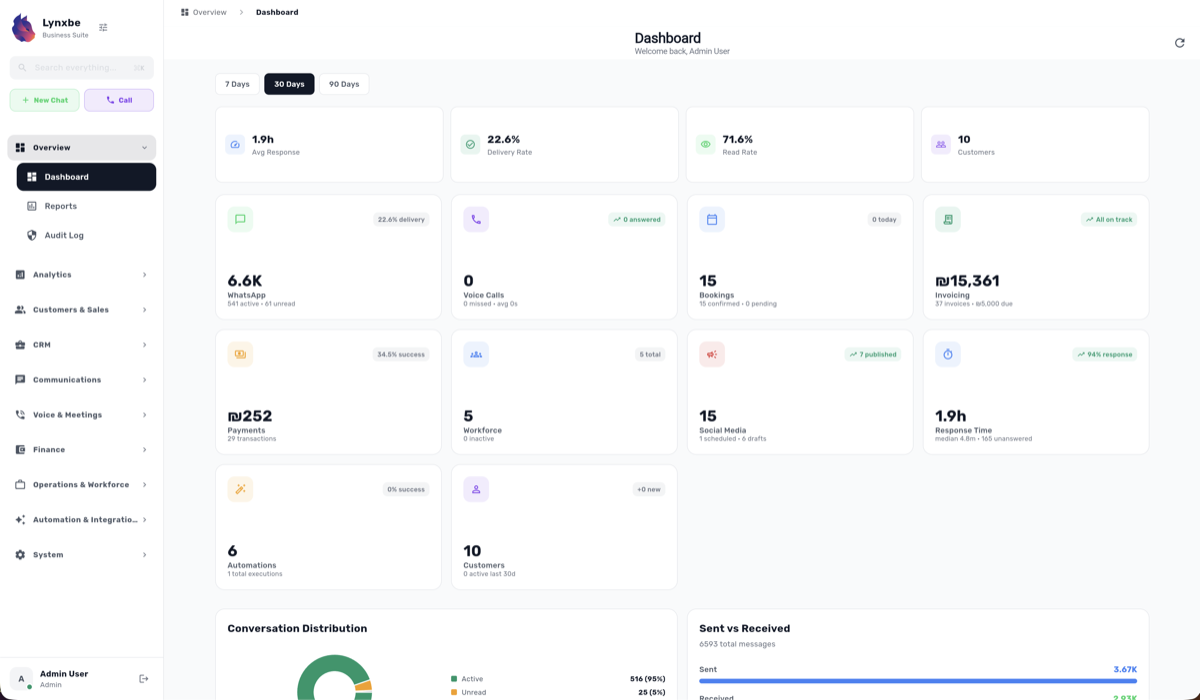
Measuring the return on investment from WhatsApp interactions is essential to justify the resources allocated to this channel. One effective way is to track customer engagement metrics, such as response times, message open rates, and even conversion rates from WhatsApp interactions. Tools like Google Analytics can be integrated to monitor how WhatsApp traffic influences sales on your website.
Another vital metric is customer retention. By analyzing how many customers return after their initial interaction via WhatsApp, businesses can gauge the effectiveness of their engagement strategies. Surveys can also be conducted through WhatsApp to gather feedback on customer satisfaction, providing qualitative data to complement the quantitative metrics.
Additionally, calculating the cost of customer acquisition through WhatsApp can provide insights into its effectiveness as a communication channel. By comparing the costs associated with traditional marketing methods versus those incurred while interacting through WhatsApp, businesses can assess the overall value derived from this platform.
Practical Examples with Code Snippets
To further illustrate the capabilities of the WhatsApp Business API, let’s delve into some practical examples. One common use case is sending automated messages to customers. For instance, you can set up a welcome message for new customers who reach out. Below is a sample code snippet that demonstrates how to send a message using the API.
import requests

def send_whatsapp_message(to, message):
    url = 'https://api.whatsapp.com/v1/messages'  # WhatsApp API endpoint
    headers = {
        'Authorization': 'Bearer YOUR_ACCESS_TOKEN',  # Replace with your access token
        'Content-Type': 'application/json'
    }
    data = {
        'to': to,
        'type': 'text',
        'text': {
            'body': message
        }
    }
    response = requests.post(url, headers=headers, json=data)
    return response.json()

# Example usage
send_whatsapp_message('+972XXXXXXXXXX', 'Welcome to our service! How can we assist you today?')
This simple function sends a text message to the specified number. It can be triggered when a customer sends a message to your WhatsApp Business account, providing an instant response that enhances customer experience.
Another practical application is sending notifications to customers. For example, if your business is in e-commerce, you can notify customers when their orders are shipped. Here is an example of how you might implement this functionality:
def send_order_notification(customer_number, order_id):
    message = f'Your order #{order_id} has been shipped! Thank you for shopping with us.'
    send_whatsapp_message(customer_number, message)

# Example usage
send_order_notification('+972XXXXXXXXXX', '12345')
These examples highlight just a fraction of what is possible with the WhatsApp Business API. By integrating such functionalities, businesses can automate processes that not only save time but also enhance customer interactions.
Real-World Use Cases from the Israeli Tech Scene
In the Israeli tech landscape, several startups have embraced the WhatsApp Business API to redefine customer engagement. Take, for example, "Zebra," a fintech startup that allows users to manage their finances and investments through a user-friendly app. Zebra integrated WhatsApp to provide real-time customer support, enabling users to ask questions about their accounts directly through the app. The result was a significant boost in user satisfaction and a marked increase in user retention.
Another notable case is "TravelMate," a travel agency that utilized the API to assist customers in planning their trips. Customers could reach out via WhatsApp to inquire about travel packages, make reservations, and even get real-time updates on their itineraries. This level of accessibility not only improved customer service but also positioned TravelMate as a modern and tech-savvy agency in a competitive market.
Additionally, "HomeFix," a home repair service, leveraged WhatsApp for appointment scheduling and customer inquiries. By allowing customers to send photos of issues needing repair, HomeFix could provide immediate estimates and solutions. This simple yet effective use of the WhatsApp Business API led to reduced response times and increased customer trust, as clients appreciated the quick and personal communication.
These examples from the Israeli tech scene demonstrate that the WhatsApp Business API is not just a communication tool but a catalyst for innovation in customer relations. By adopting similar strategies, SMBs can not only enhance their service offerings but also foster deeper connections with their audience.
Best Practices and Tips
To maximize the effectiveness of the WhatsApp Business API, businesses should consider several best practices. First, always prioritize customer privacy and data security. Ensure that all communications comply with local regulations, such as the General Data Protection Regulation (GDPR) in Europe, which also influences practices in Israel.
Another tip is to segment your customer base. By categorizing customers based on their interactions, preferences, or purchase history, businesses can tailor their messaging strategy more effectively. This segmentation allows for more personalized communications, which can significantly enhance customer engagement.
Additionally, maintain an active and responsive presence on WhatsApp. Customers appreciate timely responses, so make sure to monitor the channel regularly and engage promptly. Utilizing automated responses for common inquiries can help manage expectations, but it’s essential to balance automation with human interaction.
Actionable Insights and Takeaways
The WhatsApp Business API presents a unique opportunity for SMBs in Israel to connect with their customers in a meaningful way. By following the steps outlined in this blog post, businesses can set up and optimize their use of the API to improve customer engagement and drive growth. Remember to focus on integrating the API with your existing systems, measuring ROI, and continuously refining your approach based on customer feedback.
As the digital landscape continues to evolve, staying ahead of the curve is essential for business success. Embracing innovative communication tools like the WhatsApp Business API can not only enhance customer relationships but also position your business as a leader in your industry.
Don’t hesitate to reach out to experts in the field or consider partnering with tech companies specializing in API integrations to ensure a smooth implementation. The potential benefits of leveraging WhatsApp for your business are immense, and taking action now can set you on the path to success.
Conclusion with Call to Action
In conclusion, the WhatsApp Business API is more than just a messaging tool; it is a powerful platform for enhancing customer engagement and driving business growth. As we've explored, the steps to set up the API, successful case studies from the Israeli tech scene, and best practices for integration all point to the API's potential to transform how SMBs operate.
If you are ready to take the plunge and leverage the WhatsApp Business API for your business, start by evaluating your current customer communication strategies. Identify areas where WhatsApp can enhance your engagement and streamline interactions. Don’t wait; the future of customer communication is here, and WhatsApp is leading the way.
Comments
💬 Share your thoughts