Maximizing ROI with WhatsApp Business API in Israel

Maximizing ROI with WhatsApp Business API in Israel
In the rapidly evolving digital landscape, businesses are constantly seeking ways to enhance customer engagement and streamline operations. The WhatsApp Business API has emerged as a powerful tool for companies to connect with their customers on a platform they already use daily. In Israel, where mobile communication is paramount, leveraging the WhatsApp Business API can significantly boost your Return on Investment (ROI).
WhatsApp boasts over two billion users worldwide, with a substantial portion residing in Israel. This presents an immense opportunity for businesses to engage their customers through a familiar interface. By integrating the WhatsApp Business API, businesses can automate customer interactions, provide real-time support, and send personalized marketing messages, all contributing to a more efficient customer journey.
However, the successful implementation of this technology requires more than just setting up an account. It involves a strategic approach to integrating WhatsApp into existing systems, optimizing customer engagement practices, and consistently measuring the impact on ROI. In this blog post, we will explore how to maximize your investments through the WhatsApp Business API with detailed insights and practical examples tailored specifically for the Israeli market.
Integrating WhatsApp into Your Existing CRM System
Integrating WhatsApp into your existing Customer Relationship Management (CRM) system is a crucial first step in maximizing ROI. This integration allows businesses to streamline communication, create a unified customer profile, and improve response times. The WhatsApp Business API can be integrated into popular CRM platforms like Salesforce, HubSpot, and Zoho CRM, enhancing their functionality.
For instance, let’s consider a typical setup where a business uses Salesforce as its CRM. The integration can be achieved using middleware solutions like Zapier or custom API development. Here’s a basic overview of how to achieve this integration:
# Example: Connect WhatsApp Business API to Salesforce

# Step 1: Authenticate with the WhatsApp Business API
import requests

whatsapp_url = "https://api.whatsapp.com/v1/messages"
headers = {
 "Authorization": "Bearer YOUR_ACCESS_TOKEN",
 "Content-Type": "application/json"
}

# Step 2: Sending a message through the API
def send_whatsapp_message(to, message):
 payload = {
 "to": to,
 "type": "text",
 "text": {
 "body": message
 }
 }
 response = requests.post(whatsapp_url, json=payload, headers=headers)
 return response.json()

# Example usage
response = send_whatsapp_message("PHONE_NUMBER", "Hello from Lynxbe!")
print(response)
This code snippet demonstrates how to send a message via the WhatsApp Business API after authenticating with the API. By incorporating such functionality into your CRM, you can automate responses, track customer interactions, and gather valuable data for analysis.
Furthermore, integrating WhatsApp with your CRM allows you to maintain a single source of truth for customer interactions. This means that whether a customer reaches out via WhatsApp, email, or phone, all interactions can be tracked and managed from one platform. This comprehensive view helps in personalizing communication and improves overall customer satisfaction.
Best Practices for Customer Engagement through WhatsApp
Engaging customers effectively on WhatsApp requires a strategic approach. First and foremost, businesses should focus on delivering value through their communications. This means avoiding spammy messages and instead providing useful information that resonates with the customer’s needs.
One of the best practices is to use WhatsApp for customer support. Many consumers prefer messaging over traditional calls, and WhatsApp provides a convenient way to resolve issues quickly. Implementing chatbots can further enhance this experience by providing instant responses to common queries.
For example, a local Israeli e-commerce store can set up a WhatsApp chatbot that handles inquiries about order status, shipping details, and product availability. This not only reduces the workload on customer service representatives but also improves response times, leading to higher customer satisfaction.
Moreover, businesses should personalize their messages. Using the customer’s name and tailoring the content based on their previous interactions can make a significant difference in engagement rates. Regularly analyzing customer data collected through WhatsApp can help identify preferences and interests, allowing for more targeted marketing efforts.
Real-World Examples from Israeli Businesses Successfully Using WhatsApp
Several Israeli companies have successfully leveraged the WhatsApp Business API to enhance their customer engagement strategies. One notable example is Wolt, a food delivery service that has integrated WhatsApp for customer support. By allowing customers to place orders and report issues directly via WhatsApp, Wolt has streamlined its operations and significantly improved customer satisfaction.
Another example is the Israeli fashion retailer, Adika. They use WhatsApp to send personalized style recommendations and alerts about new collections. This direct line of communication has resulted in a loyal customer base that appreciates the personalized interaction, leading to increased sales and customer retention.
Furthermore, the travel agency, Issta, utilizes WhatsApp for booking confirmations and customer inquiries. This integration has not only sped up the customer service process but also reduced the number of missed calls and emails. By providing information and support through a platform that customers find convenient, Issta has improved its overall customer experience.
Measuring ROI: Key Metrics to Track Customer Interactions
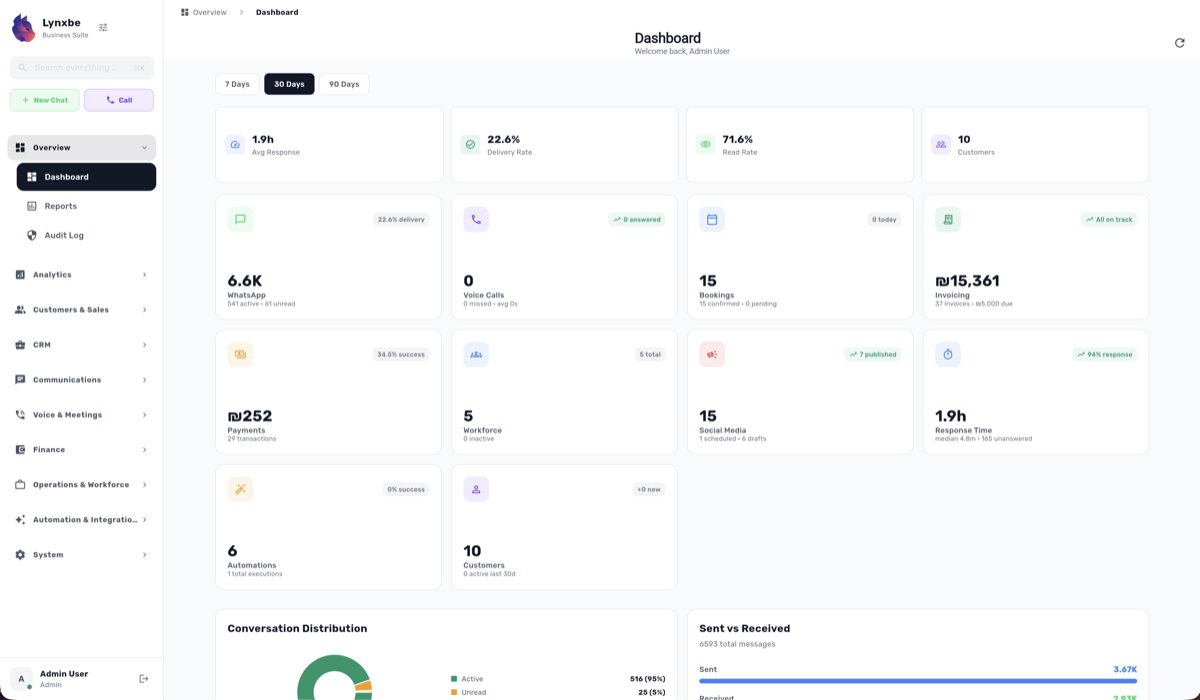
To effectively measure the ROI of your WhatsApp Business API implementation, it’s essential to track specific metrics that reflect customer interactions. Firstly, monitor response times. A reduction in response time indicates that your business is handling inquiries more efficiently, leading to higher customer satisfaction.
Another critical metric is customer engagement rates. This can be measured through the number of messages sent, read receipts, and customer responses. High engagement rates typically correlate with effective communication strategies and can directly impact sales conversions.
Additionally, track customer retention rates. If you notice an increase in repeat customers and returning clients after implementing WhatsApp, it’s a strong indicator that the platform is positively affecting your customer relationships.
Finally, consider measuring the cost savings associated with using WhatsApp for customer support. By analyzing the reduction in call center operations and the efficiency gained through automated responses, you can calculate the overall savings and impact on ROI.
Best Practices and Tips
To maximize the effectiveness of the WhatsApp Business API, consider adopting a few best practices. First, always provide clear opt-in options for customers. This ensures that they are willing participants in your communication strategy and helps maintain compliance with privacy regulations.
Another tip is to segment your audience. Not all customers want the same information, and tailoring messages to specific groups can significantly enhance engagement. For example, a tech startup could send product updates to developers while offering exclusive discounts to general customers.
Additionally, utilize multimedia. WhatsApp allows for the sharing of images, videos, and documents, which can enhance your communication. For instance, a real estate agency could send virtual tours of properties directly to potential clients, providing a richer experience.
Actionable Insights and Takeaways
In conclusion, the WhatsApp Business API presents a unique opportunity for businesses in Israel to enhance customer engagement and maximize ROI. By integrating this powerful tool into existing systems, companies can streamline communication and provide exceptional support.
Moreover, real-world examples from successful Israeli businesses demonstrate the tangible benefits of adopting this technology. By implementing best practices and continuously measuring key metrics, companies can refine their strategies and ensure they are reaping the full benefits of the WhatsApp Business API.
As you consider integrating the WhatsApp Business API into your operations, remember to focus on delivering value, personalizing communications, and tracking your results. This approach will not only improve customer satisfaction but also drive revenue growth in an increasingly competitive market.
Conclusion with Call to Action
As the digital landscape continues to evolve, businesses in Israel must adapt to stay competitive. The WhatsApp Business API is not just a tool; it's a strategy that can reshape how you connect with customers. Embracing this technology can lead to improved customer relationships, streamlined operations, and ultimately, a higher ROI.
If you’re ready to take the next step, consider consulting with a tech partner experienced in developing solutions around the WhatsApp Business API. Companies like Lynxbe can help you integrate this powerful tool into your existing systems, optimize your customer engagement strategies, and measure your success effectively.
Don't miss out on the opportunity to transform your business communications. Start leveraging the WhatsApp Business API today and watch as your customer relationships flourish.


Comments
💬 Share your thoughts