Maximizing WhatsApp Business API for Israeli SMBs in 2026
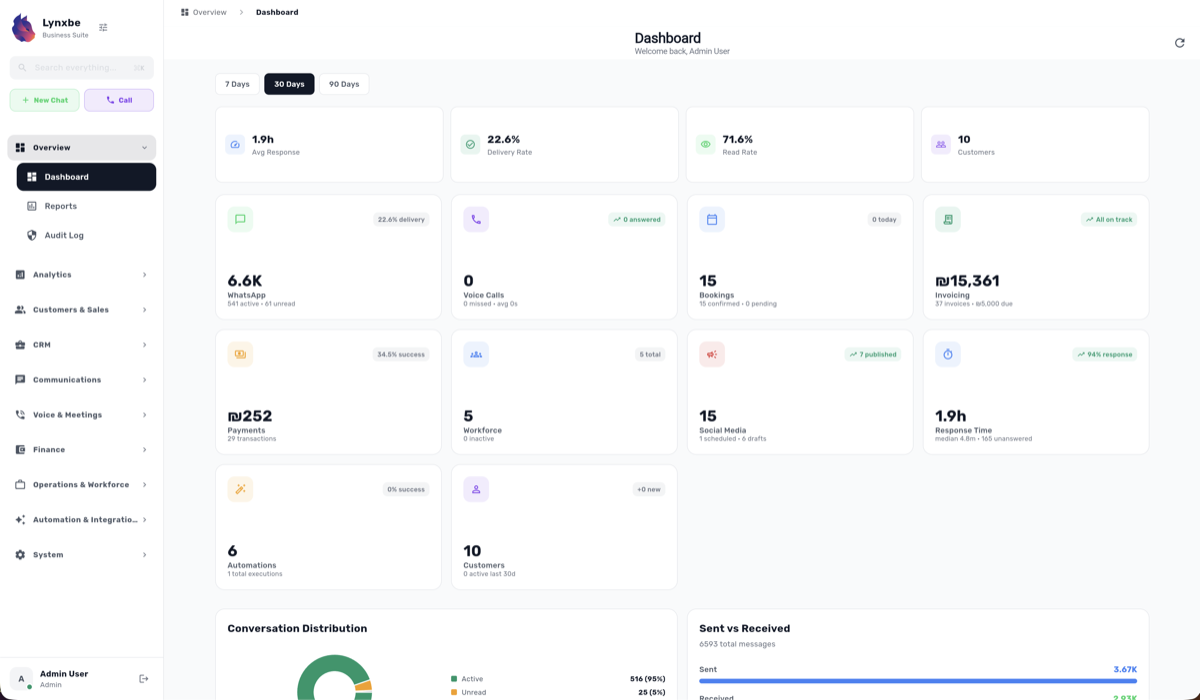
As we move into 2026, the landscape of business communication continues to evolve, especially for small and medium-sized businesses (SMBs) in Israel. WhatsApp has established itself as one of the leading messaging platforms globally, and its Business API is a game changer for local enterprises. By leveraging the WhatsApp Business API, Israeli SMBs can enhance customer engagement, streamline communication, and increase sales.
This blog aims to provide a comprehensive guide on maximizing the WhatsApp Business API for Israeli SMBs. We will explore the step-by-step setup process, best practices for integration with customer relationship management (CRM) systems, successful case studies from Israeli companies, compliance tips, and strategies for automating customer service. The goal is to equip tech professionals, developers, and startup founders with actionable insights to thrive in this competitive landscape.
The WhatsApp Business API is not just a tool; it is a strategic asset that can propel businesses forward. As messaging continues to replace traditional communication channels, understanding how to effectively utilize this platform is critical. Whether you are looking to improve customer support or boost marketing efforts, the insights provided here will help you maximize your impact in 2026 and beyond.
Now, let’s dive into the specifics of setting up the WhatsApp Business API and how it can be a pivotal tool for Israeli SMBs.
Step-by-Step Setup of WhatsApp Business API
The first step in utilizing the WhatsApp Business API is to understand the prerequisites for setting it up. Businesses need to apply for access to the API through WhatsApp. This involves a few steps, including verifying your business and understanding the usage policies.
To begin, you will need a verified Facebook Business Manager account. This account will serve as the foundation for managing your WhatsApp Business API. Here’s a step-by-step breakdown of the setup process:
1. **Create a Facebook Business Manager Account**: Visit the Facebook Business Manager website and create an account if you don’t already have one. This account will manage your WhatsApp Business API and other Facebook apps.
2. **Verify Your Business**: Submit your business information and documentation for verification. This includes providing details like your business name, address, and the type of business you operate. Facebook will review this information and notify you once verified.
3. **Apply for WhatsApp Business API Access**: Navigate to the “WhatsApp” section in your Business Manager and apply for access to the API. You may need to provide additional information regarding how you plan to use the API.
4. **Choose a Business Solution Provider (BSP)**: While it is possible to set up the API on your own, many businesses opt to work with a BSP. These providers can streamline the setup process and provide additional features and support.
5. **Configure Your API Settings**: Once you have access, you will need to configure your settings, including phone numbers, webhook URLs, and message templates. It’s essential to set up a sandbox environment for testing before going live.
6. **Integrate with Your Systems**: After configuring the API, you’ll want to integrate it with your existing systems, such as your CRM or e-commerce platforms, to facilitate seamless communication.
Best Practices for Integrating WhatsApp with CRM Systems
Integrating the WhatsApp Business API with your CRM system is vital for enhancing customer interactions and streamlining workflows. Here are some best practices to ensure a smooth integration:
1. **Identify Key Use Cases**: Before integration, identify the specific use cases for using WhatsApp in your CRM. This could include customer support, order confirmations, and marketing campaigns. Having clear use cases will help you design a more effective integration.
2. **Use Webhooks for Real-Time Updates**: Webhooks allow your CRM to receive real-time notifications from WhatsApp. Set up webhooks to capture incoming messages and respond accordingly. This ensures that your team can act swiftly on customer inquiries.
3. **Leverage Message Templates**: WhatsApp requires businesses to use pre-approved message templates for certain communications. Ensure your CRM can manage these templates efficiently. This will help in maintaining compliance and improving response times.
4. **Centralize Customer Interactions**: Integrate WhatsApp into your CRM dashboard to centralize all customer communications. This allows your team to track interactions across different channels, providing a holistic view of customer engagement.
5. **Automate Responses for Common Queries**: Use automation tools integrated with your CRM to handle frequently asked questions via WhatsApp. This can alleviate the workload on your customer service team while ensuring customers receive timely responses.
Case Studies of Successful WhatsApp Campaigns in Israel
To illustrate the effectiveness of the WhatsApp Business API, let’s examine a few successful case studies from Israeli companies that have leveraged this platform.
One notable example is a local e-commerce startup, which implemented WhatsApp for order confirmations and customer service. By integrating WhatsApp with their CRM, they were able to send real-time updates to customers regarding their orders. This significantly reduced the number of inquiries about order status, leading to a 40% decrease in customer service response times.
Another interesting case is a hospitality business that utilized WhatsApp for booking confirmations and customer feedback. By sending personalized messages through WhatsApp, they increased customer engagement and received valuable feedback that helped improve their services. The result was a 25% increase in repeat bookings, showcasing how effective communication can drive customer loyalty.
Additionally, a prominent Israeli tech company launched a marketing campaign via WhatsApp to promote their new software solution. They utilized interactive message templates to engage potential customers, resulting in a 30% higher conversion rate compared to traditional email campaigns. This success highlights the potential of WhatsApp as a marketing tool in the tech space.
Compliance Tips for Using WhatsApp in Marketing
As with any communication platform, it is essential to adhere to compliance regulations when using WhatsApp for marketing. Here are some critical tips to ensure your campaigns remain compliant:
1. **Obtain User Consent**: Always obtain explicit consent from users before sending them marketing messages via WhatsApp. This not only complies with regulations but also enhances trust with your audience.
2. **Respect Opt-Out Requests**: Provide an easy way for users to opt out of receiving messages. Ensure your system can handle opt-out requests promptly to maintain compliance and customer satisfaction.
3. **Follow WhatsApp’s Business Policy**: Familiarize yourself with WhatsApp’s business policies and guidelines. Make sure your messaging practices align with these rules to avoid service disruptions.
4. **Protect Customer Data**: Implement robust security measures to protect customer data. This includes encryption and secure storage practices to prevent unauthorized access. Data protection is not only a legal requirement but also critical for maintaining customer trust.
Strategies for Automating Customer Service via WhatsApp
Automation is a powerful way to enhance customer service through the WhatsApp Business API. By implementing automation strategies, businesses can provide timely responses and improve customer satisfaction. Here are some effective strategies:
1. **Chatbots for Initial Support**: Deploy a chatbot to handle initial inquiries from customers. This allows for immediate responses to common questions, such as store hours, product details, and order status. Using natural language processing can enhance the chatbot’s understanding of customer queries.
2. **Automated FAQ Responses**: Create a database of frequently asked questions and integrate it with your WhatsApp system. This enables customers to receive instant answers without needing to wait for a human representative.
3. **Segmented Communication**: Use customer data to segment your audience and tailor automated messages. For example, send personalized promotions to customers based on their previous purchases or browsing history.
4. **Feedback Collection**: Automate the process of collecting customer feedback through WhatsApp. After a purchase or service experience, send a quick message asking for feedback. This can be done through a simple rating system or a short survey.
Best Practices and Tips
To maximize the potential of the WhatsApp Business API, here are some best practices to consider:
1. **Maintain a Consistent Brand Voice**: Ensure that all communications via WhatsApp reflect your brand’s voice and values. Consistency builds trust and enhances brand recognition.
2. **Engage with Multimedia Content**: Utilize multimedia features such as images, videos, and voice messages to create engaging content. This can help capture customer attention and convey information more effectively.
3. **Monitor Analytics**: Regularly monitor analytics to assess the effectiveness of your WhatsApp campaigns. Analyze metrics such as message open rates, response times, and customer satisfaction to identify areas for improvement.
4. **Train Your Team**: Invest in training for your customer service team on how to use WhatsApp effectively. This includes understanding the features of the API, handling customer inquiries, and maintaining compliance.
Actionable Insights and Takeaways
As SMBs in Israel look to enhance their communication strategies in 2026, leveraging the WhatsApp Business API is crucial. The ability to engage customers in real-time, provide personalized support, and automate processes can significantly impact business growth.
By following the steps outlined for setting up the API, integrating with CRM systems, and adhering to compliance regulations, businesses can create a robust framework for customer communication. The case studies provided underscore the transformative potential of WhatsApp, demonstrating how even small changes can lead to substantial improvements in customer engagement and sales.
Moreover, as technology continues to evolve, staying updated on best practices and automation strategies will ensure that Israeli SMBs remain competitive. The insights shared in this blog are not just theoretical; they are actionable steps that can be implemented immediately to reap the benefits of the WhatsApp Business API.
Conclusion and Call to Action
In conclusion, the WhatsApp Business API stands as a powerful tool for Israeli SMBs looking to enhance their communication strategies in 2026. By effectively setting up the API, integrating it with existing systems, and adhering to compliance guidelines, businesses can unlock new levels of customer engagement and operational efficiency.
For those ready to take the next step, consider reaching out to a Business Solution Provider who specializes in WhatsApp integrations. They can guide you through the process, ensuring a smooth implementation that aligns with your business goals.
As the digital landscape continues to evolve, embracing tools like the WhatsApp Business API will not only keep your business relevant but also position it for future growth. Start today, and watch as your customer relationships flourish in the coming years.


Comments
💬 Share your thoughts