Maximizing ROI with WhatsApp Cloud API for SMBs

In today’s digital landscape, small and medium-sized businesses (SMBs) are continually searching for innovative ways to enhance customer engagement and streamline operations. One of the most revolutionary tools that has emerged is the WhatsApp Cloud API, a powerful solution that allows businesses to integrate WhatsApp messaging into their communications strategy effortlessly. For SMBs, leveraging such technology can drastically improve their return on investment (ROI) by enabling more personalized interactions and simplifying customer service processes.
WhatsApp has become an essential platform for communication, boasting over two billion users globally. For many companies, particularly in markets like Israel, the opportunity to connect with customers through a channel they already use opens up a world of possibilities. The WhatsApp Cloud API not only facilitates direct communication but also offers numerous features that can help SMBs maximize their ROI by creating a seamless customer experience.
In this post, we will delve into the new features of the WhatsApp Cloud API, how to measure ROI effectively, and provide real-world case studies of successful implementations within the Israeli tech scene. Furthermore, we will share best practices for integrating this API with existing customer relationship management (CRM) systems, ensuring that tech professionals and business leaders have a comprehensive understanding of how to capitalize on this growing trend.
As we embark on this exploration, it’s crucial to recognize that understanding the capabilities of the WhatsApp Cloud API is just the beginning. The real magic happens when businesses effectively measure their ROI and adapt their strategies based on real data. This blog post will equip you with the knowledge to do just that, as you navigate the exciting landscape of business communication.
Understanding the New Features of WhatsApp Cloud API
The WhatsApp Cloud API is robust, offering a range of features that can transform how SMBs interact with their customers. One of the standout features is the ability to send and receive messages, multimedia files, and even documents, all through the WhatsApp interface. This seamless integration allows businesses to communicate in a way that feels natural to their customers, leading to higher engagement rates.
Another significant development is the introduction of interactive messages, which enable businesses to create more engaging conversations. With features like quick replies, buttons, and lists, companies can guide customers through their inquiries or purchasing processes. This not only enhances user experience but also improves conversion rates, making every interaction count.
Additionally, the WhatsApp Cloud API supports chatbots, which can automate responses to frequently asked questions. By integrating AI-driven chatbots, businesses can ensure that their customers receive immediate assistance at any time of day. This feature not only saves time for the customer service team but also ensures that customers feel valued and attended to, regardless of when they reach out.
Moreover, the WhatsApp Cloud API allows for the integration of rich media content. Businesses can send images, videos, and even voice messages, creating a more dynamic communication experience. This is particularly beneficial for industries such as retail and hospitality, where visual content can significantly influence customer decisions.
Measuring ROI: Key Metrics to Track
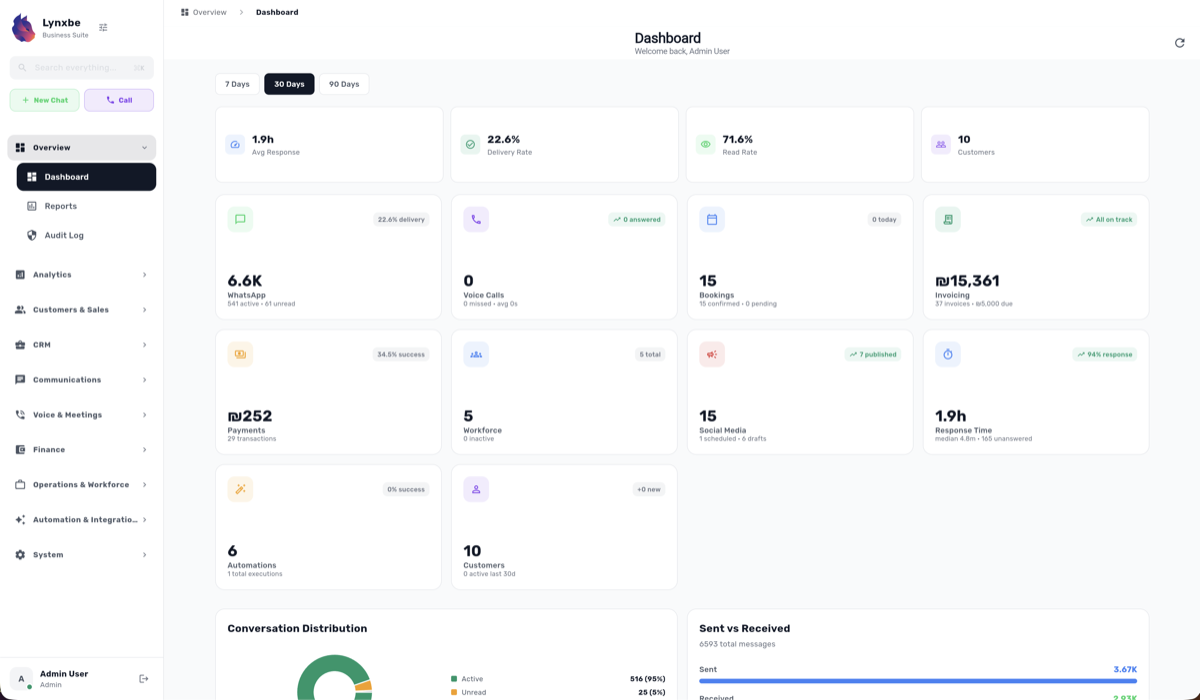
Before diving into the implementation of the WhatsApp Cloud API, it is essential to establish how to measure the return on investment effectively. ROI in the context of communication channels can be multifaceted, encompassing both quantitative and qualitative metrics. One of the first metrics to consider is customer engagement, which can be tracked through message open rates and response times.
Another critical metric is customer satisfaction. By utilizing customer feedback tools integrated into WhatsApp conversations, businesses can gauge customer sentiment immediately after interactions. Tracking Net Promoter Scores (NPS) or customer satisfaction scores (CSAT) through WhatsApp can provide valuable insights into how customers perceive their interactions with your brand.
Sales conversion rates are also a vital metric. By monitoring how many conversations lead to sales or desired actions, businesses can determine the effectiveness of their communication strategy. An increase in conversion rates post-implementation of the WhatsApp Cloud API could signify successful engagement and interaction improvements.
Furthermore, tracking operational efficiency is crucial. Metrics such as reduced response times, lower customer service costs, and the volume of inquiries handled by chatbots can provide insights into how the API is streamlining operations. These metrics will help in justifying the investment made in the technology.
Case Studies of Successful Implementations in Israel
Several Israeli companies have successfully integrated the WhatsApp Cloud API into their operations, showcasing the potential of this tool for SMBs. One notable example is a local e-commerce startup that utilized the API to enhance customer service. By employing chatbots to handle initial inquiries, the company was able to reduce customer service response times by over 60%.
Another case study involves a chain of restaurants that implemented the WhatsApp Cloud API to manage reservations and customer inquiries. By utilizing interactive messages and quick replies, they streamlined the reservation process, allowing customers to book tables directly through WhatsApp. This not only improved customer satisfaction but also increased reservation rates by 30% within three months.
In the tech sector, a SaaS startup utilized the API to onboard new customers. By sending personalized welcome messages and tutorials via WhatsApp, they saw a 40% increase in user engagement during the onboarding process. The ability to provide immediate support and resources through a familiar platform allowed them to guide new users effectively.
These examples illustrate the versatility of the WhatsApp Cloud API across various industries. The common thread among these successful implementations is the focus on enhancing customer experience while driving operational efficiencies. Each case highlights how integrating this technology can lead not only to improved service but also to measurable increases in ROI.
Tips for Integrating with Existing CRM Systems
Integrating the WhatsApp Cloud API with existing CRM systems can significantly enhance the customer engagement process. One of the first steps is to ensure that your CRM can handle API calls effectively. Most modern CRMs, such as Salesforce or HubSpot, provide integration capabilities; however, it’s essential to review the documentation for specifics.
Another key consideration is data synchronization. Ensure that customer data is updated in real-time between WhatsApp and your CRM. This means that any interaction on WhatsApp should reflect in your CRM, allowing your sales and support teams to have a complete view of customer interactions. Using webhooks provided by the WhatsApp Cloud API can automate this process.
It’s also beneficial to establish a clear strategy for message automation. Define what types of messages should be automated versus those that require a human touch. This can help streamline operations and ensure that customers receive timely responses while still feeling valued.
Lastly, train your team on how to utilize the integrated system effectively. Providing staff with the tools and knowledge to manage WhatsApp conversations through the CRM will foster a culture of responsiveness and efficiency. Regular training sessions and updates on new features will help keep the team prepared to leverage the full potential of the WhatsApp Cloud API.
Actionable Insights and Takeaways
In summary, the WhatsApp Cloud API presents a unique opportunity for SMBs to enhance customer engagement, streamline communications, and ultimately drive ROI. By understanding its features, tracking key metrics, and learning from successful case studies, businesses can develop effective strategies for implementation.
Additionally, integrating the API with existing CRM systems can significantly improve operational efficiencies and customer interactions. As you embark on this journey, remember to focus on customer satisfaction and engagement as key metrics for measuring success.
It is essential to stay agile and adaptable, continuously refining your approach based on data-driven insights. Embracing the WhatsApp Cloud API could be a game changer for your business, providing the tools needed to thrive in today’s competitive environment.
Conclusion with Call to Action
As we conclude this exploration of maximizing ROI with the WhatsApp Cloud API, it is clear that the potential for growth and enhanced customer satisfaction is immense. For tech professionals, developers, and business leaders in Israel, the time to adopt and integrate this technology is now. The landscape of customer communication is evolving, and those who leverage tools like the WhatsApp Cloud API will be at the forefront.
We encourage you to take the next steps by assessing your current communication strategies and identifying how the WhatsApp Cloud API can fit into your operations. Whether you’re looking to enhance customer service, improve engagement, or drive sales, this powerful tool has something to offer. Start your journey today, and watch as your business transforms through effective communication.




Comments
💬 Share your thoughts