WhatsApp Cloud API: A Game Changer for Israeli Businesses

In the fast-paced world of digital communication, businesses are constantly seeking ways to enhance customer engagement and streamline operations. One of the most significant advancements in this arena has been the introduction of the WhatsApp Cloud API. This innovative tool has emerged as a game changer, especially for Israeli businesses that are known for their technological prowess and startup culture. With the WhatsApp Cloud API, companies can leverage the power of WhatsApp’s extensive user base while optimizing their communication strategies.
As we delve into the features and benefits of the WhatsApp Cloud API, it is essential to understand the landscape in which Israeli businesses operate. The tech scene in Israel is characterized by a blend of innovation and practicality, making it an ideal environment for adopting cutting-edge solutions. The WhatsApp Cloud API not only simplifies messaging capabilities but also integrates seamlessly with existing systems, enhancing customer experience and operational efficiency.
This blog post explores the myriad benefits of transitioning to the WhatsApp Cloud API, including how to set it up, integrate it with CRM systems, and real-world examples of successful implementations. By the end, you’ll gain insights into best practices for utilizing WhatsApp as a customer service tool, making this powerful platform an integral part of your business strategy.
The WhatsApp Cloud API represents a significant shift from traditional APIs that many businesses have relied upon. Unlike traditional APIs, which often require extensive server infrastructure and maintenance, the Cloud API operates on a fully managed cloud solution provided by Meta. This means that businesses can scale their messaging capabilities without the burden of managing servers and can focus more on delivering exceptional customer experiences.
One of the most compelling benefits of the WhatsApp Cloud API is its ability to support a vast array of use cases. For instance, businesses can automate responses to frequently asked questions, send reminders, and even handle complex queries through chatbots. This versatility not only enhances customer service but also reduces operational costs by minimizing the need for human intervention in routine inquiries.
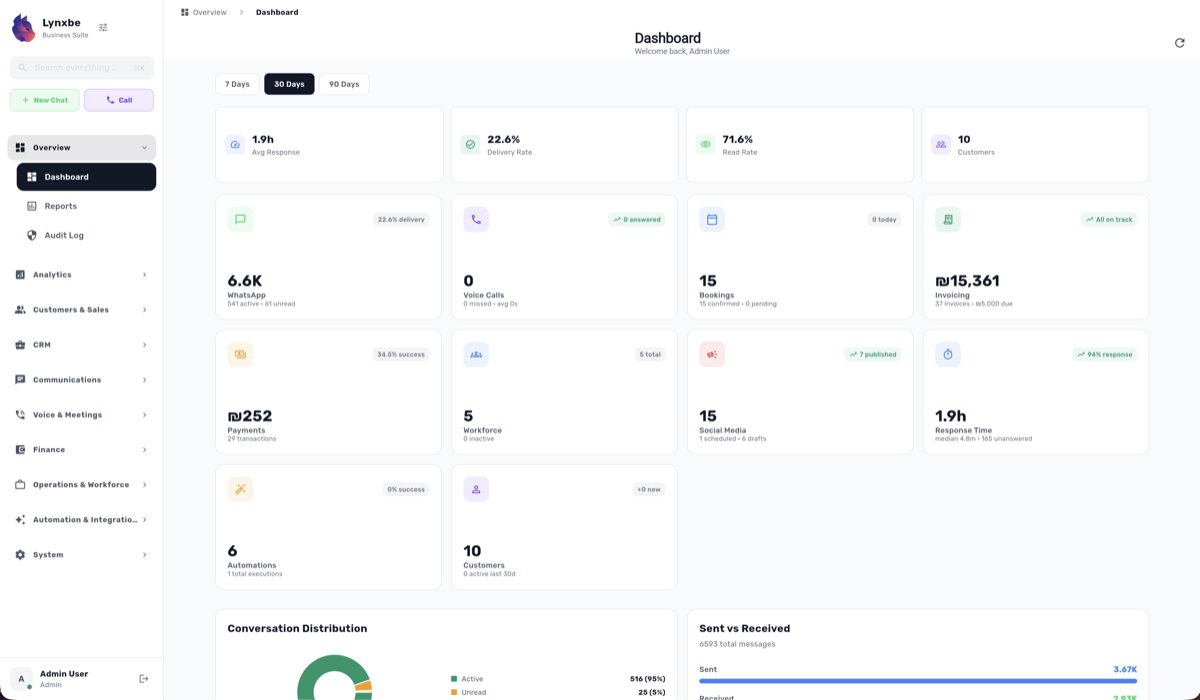
Moreover, the WhatsApp Cloud API allows for better analytics and reporting capabilities. Companies can track engagement metrics, response times, and customer satisfaction ratings, enabling them to refine their communication strategies continually. This data-driven approach helps businesses make informed decisions, ultimately leading to improved customer retention and satisfaction.
Integrating the WhatsApp Cloud API with existing CRM systems is another crucial aspect that sets it apart from traditional APIs. The setup process is designed to be straightforward, allowing businesses to connect their CRM platforms with the Cloud API efficiently. For instance, companies can utilize webhooks to receive real-time notifications about incoming messages, enabling them to respond promptly and enhance customer interactions.
To illustrate how to set up the WhatsApp Cloud API, consider the following steps:
# Step 1: Setting up a WhatsApp Business Account
# Create a WhatsApp Business Account via the Facebook Business Manager.

# Step 2: Get Access Tokens
# Generate an access token through the Meta for Developers platform.

# Step 3: Use the API to Send Messages
import requests

url = "https://graph.facebook.com/v12.0/YOUR_PHONE_NUMBER_ID/messages"
headers = {
 "Authorization": "Bearer YOUR_ACCESS_TOKEN",
 "Content-Type": "application/json"
}
data = {
 "messaging_product": "whatsapp",
 "to": "RECIPIENT_PHONE_NUMBER",
 "text": {
 "body": "Hello, this is a message from my business!"
 }
}

response = requests.post(url, headers=headers, json=data)
print(response.json()) # Output the response from WhatsApp API
In this example, the first step involves creating a WhatsApp Business Account through the Facebook Business Manager. Once the account is set up, businesses need to generate an access token that will be used for authentication in API calls. The provided Python code demonstrates how to send a simple text message using the WhatsApp Cloud API.
Real-world examples of successful WhatsApp Cloud API implementations are emerging across various sectors in Israel. Take, for instance, a leading e-commerce platform that integrated the Cloud API into its customer service operations. By automating responses to customer inquiries regarding order statuses and returns, the company reported a 30% reduction in response times, leading to a significant increase in customer satisfaction ratings.
Another compelling case study comes from a prominent fintech startup that leveraged the WhatsApp Cloud API to enhance its customer support. By implementing chatbots powered by the API, the company could handle up to 80% of incoming queries without human intervention. This not only freed up customer service representatives to focus on more complex issues but also resulted in a more efficient workflow and higher overall productivity.
The healthcare sector in Israel is also reaping the benefits of the WhatsApp Cloud API. A telemedicine provider utilized the API to streamline appointment scheduling and follow-up communications with patients. Through automated messages sent via WhatsApp, patients received timely reminders about their appointments, which significantly reduced no-show rates and improved overall patient engagement.
When it comes to utilizing WhatsApp for customer service, there are several best practices that businesses should consider to maximize their effectiveness. First and foremost, it’s essential to maintain a personal touch in communications. Even though automation can handle routine inquiries, personal responses for complex issues are crucial in fostering customer relationships.
Additionally, businesses should ensure that their messaging is clear and concise. Users are more likely to engage with messages that are straightforward and easy to understand. Companies can enhance this by using multimedia elements such as images, videos, or audio clips to make their messages more engaging and informative.
Another critical aspect is to ensure compliance with privacy regulations. Given the sensitive nature of customer data, businesses must adhere to relevant data protection laws, such as GDPR or local regulations, while using the WhatsApp Cloud API. This includes obtaining consent before sending promotional messages and providing customers with the option to opt out of communications.
In summary, the WhatsApp Cloud API is a transformative tool for Israeli businesses looking to enhance their communication strategies. By transitioning from traditional APIs to this cloud-based solution, companies can benefit from improved scalability, enhanced analytics, and greater operational efficiency. The ease of integration with CRM systems further amplifies its appeal, enabling businesses to provide timely and effective customer support.
As we have seen through various case studies, successful implementations of the WhatsApp Cloud API demonstrate its potential to drive significant improvements in customer engagement and satisfaction. By adhering to best practices and continuously refining their communication strategies, businesses can leverage this powerful tool to stay ahead in an increasingly competitive landscape.
For companies looking to embark on this journey, the first step is to assess their current communication practices and identify areas where the WhatsApp Cloud API can add value. Whether through automation, enhanced analytics, or improved customer interactions, there are numerous opportunities to explore.
In conclusion, the WhatsApp Cloud API is not just another messaging tool; it is a pivotal element in the evolution of customer communication. For Israeli businesses ready to embrace digital transformation, adopting the WhatsApp Cloud API could be the strategic decision that propels them to the forefront of their industries. Take action now and explore how you can implement this innovative solution to enhance your customer engagement and streamline your operations.


Comments
💬 Share your thoughts