Navigating 2026: Changes in WhatsApp Business API for SMBs
As we approach 2026, the landscape for small and medium-sized businesses (SMBs) continues to evolve, especially in the realm of digital communication. Among the most influential tools available to these businesses is the WhatsApp Business API. This powerful messaging platform has transformed how companies engage with their customers, offering a direct and personal line of communication. However, with the rapid pace of technological advancements, it is essential for business owners, developers, and tech professionals to stay informed about the latest features and best practices associated with the API.
The WhatsApp Business API is not just a communication tool; it is a comprehensive solution designed to enhance customer engagement, streamline operations, and ultimately drive sales. In this blog post, we will explore the latest features of the WhatsApp Business API as of 2026, how to integrate these new capabilities into existing workflows, and best practices for maximizing customer engagement. We will also look at real-world case studies from the Israeli tech scene, demonstrating how local SMBs are successfully leveraging the WhatsApp API to achieve their business goals.
Understanding the changes in the WhatsApp Business API is crucial for any tech professional or startup founder looking to harness the power of this platform. As businesses strive to build more meaningful relationships with their customers, the tools they choose to implement can have a profound impact on their success. By the end of this post, you will have a clear understanding of what to expect from the WhatsApp Business API in 2026, along with actionable insights to help your business thrive in this digital age.
Overview of the Latest WhatsApp Business API Features
In 2026, the WhatsApp Business API has introduced a host of new features designed to enhance user experience and expand the capabilities of businesses using the platform. One of the most significant updates is the introduction of enhanced messaging features, including rich media options such as video and audio messages, which allow businesses to convey their messages in a more engaging manner. This is particularly beneficial for sectors like retail, where visual content can significantly impact customer decisions.
Additionally, the API now offers improved automation capabilities through enhanced chatbot functionalities. Businesses can create more sophisticated bots that handle customer inquiries, provide product recommendations, and even facilitate transactions. This shift toward automation helps SMBs save time and resources while providing round-the-clock support to customers.
Another noteworthy feature is the expansion of the WhatsApp Business Catalog, which allows businesses to showcase their products and services directly within the app. This feature is particularly advantageous for e-commerce businesses, as it enables users to browse and purchase items without leaving the messaging platform. Moreover, the API now supports in-chat payments, making transactions seamless and efficient.
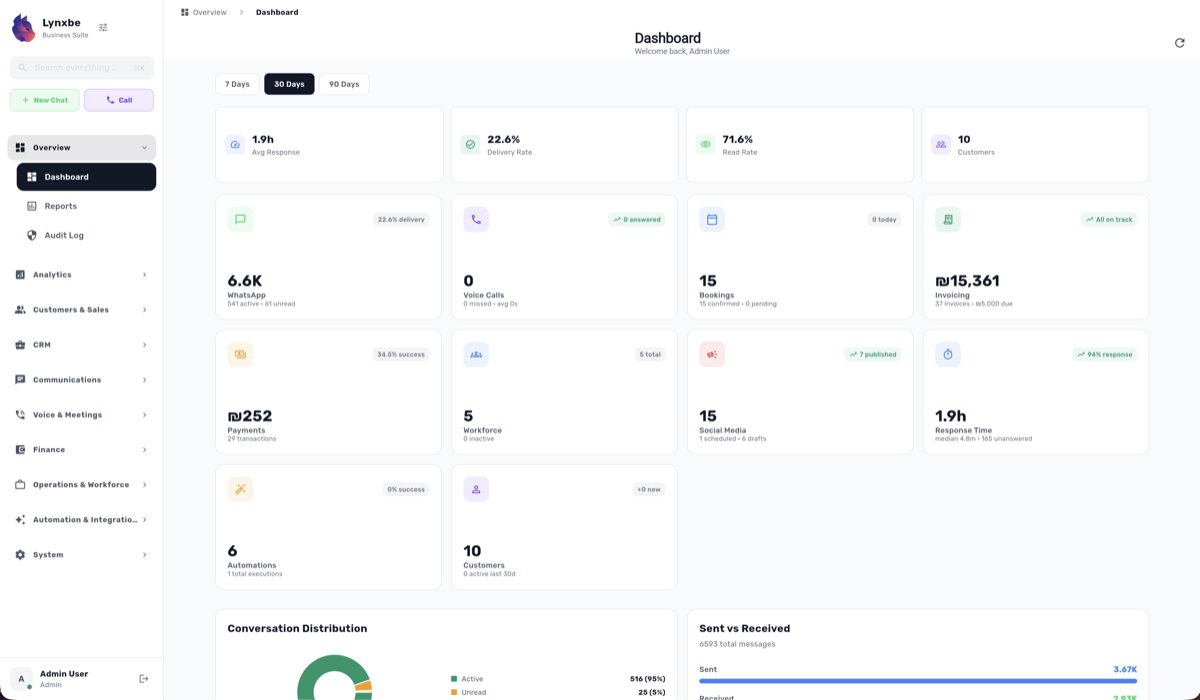
Furthermore, the introduction of advanced analytics tools within the WhatsApp Business API provides businesses with valuable insights into customer interactions. Companies can now track metrics such as message delivery rates, response times, and customer engagement levels. This data is essential for optimizing communication strategies and enhancing the overall customer experience.
Steps to Integrate New Features into Existing Workflows
Integrating the latest features of the WhatsApp Business API into existing workflows requires a strategic approach. The first step is to assess your current setup and identify which features can add the most value to your operations. For instance, if your business often deals with customer inquiries, implementing chatbots could significantly reduce response times and improve customer satisfaction.
Once you have identified the features to integrate, the next step is to update your API version. It is crucial to ensure that your existing infrastructure supports the new functionalities. This may involve updating your server configurations or integrating third-party services that enhance the API's capabilities.
After updating the API, you should focus on training your team to utilize the new features effectively. This training can include workshops that demonstrate how to use the enhanced messaging options, set up chatbots, and analyze customer data. Empowering your team with the necessary skills will ensure that your business can fully leverage the capabilities of the WhatsApp Business API.
Additionally, consider conducting a pilot test before rolling out the new features to your entire customer base. This test will allow you to identify any potential issues and gather feedback from a small group of users. Based on this feedback, you can make necessary adjustments to enhance the user experience before a full launch.
Best Practices for Using WhatsApp for Customer Engagement
To maximize the benefits of the WhatsApp Business API, businesses should adhere to several best practices for customer engagement. First and foremost, maintaining a personal touch is crucial. Customers appreciate personalized communication, so take advantage of the rich media features to send tailored messages that resonate with your audience.
Moreover, businesses should prioritize response times. In today's fast-paced world, customers expect prompt replies. Utilizing automation tools, such as chatbots, can help manage inquiries and ensure that customers receive timely responses, even during off-hours.
Another important aspect is to keep communication relevant and valuable. Avoid overwhelming customers with constant messages. Instead, focus on delivering content that is useful and engaging, such as promotions, product updates, or informative articles. This approach can help build trust and encourage positive interactions with your brand.
Additionally, utilizing WhatsApp's analytics tools can provide valuable insights into customer behavior and preferences. By analyzing these metrics, businesses can tailor their communication strategies to better meet the needs of their customers, ultimately enhancing engagement and satisfaction.
Case Studies of Successful Israeli SMBs Leveraging the API
Israeli SMBs are increasingly adopting the WhatsApp Business API to enhance their customer engagement strategies. One notable example is a local fashion retailer that integrated the API to streamline its customer service operations. By utilizing chatbots to handle inquiries about product availability and order status, the retailer was able to reduce response times by over 50%. This improvement led to higher customer satisfaction and increased repeat purchases.
Another successful case is an Israeli tech startup that developed a mobile app for food delivery. The company leveraged the WhatsApp Business API to provide real-time updates to customers regarding their order status. By integrating rich media messages with images of meals and estimated delivery times, the startup was able to enhance the overall customer experience, resulting in a significant uptick in user retention.
In the e-commerce sector, an Israeli cosmetics brand utilized the WhatsApp Business Catalog feature to showcase its products directly within the app. By allowing customers to browse and purchase items without leaving the messaging platform, the brand saw an increase in conversion rates. The seamless purchasing experience helped the company build a loyal customer base and drive sales growth.
Finally, a local travel agency adopted the WhatsApp API to facilitate customer inquiries and bookings. By implementing chatbots that provided instant responses to frequently asked questions and personalized trip recommendations, the agency was able to increase customer engagement. This proactive approach led to a higher number of bookings and positive feedback from clients.
Actionable Insights and Takeaways
As we navigate the evolving landscape of the WhatsApp Business API in 2026, it is crucial for SMBs to adapt to the latest features and best practices. The integration of enhanced messaging capabilities, automation tools, and analytics can significantly improve customer engagement and streamline operations.
To succeed, businesses should focus on personalizing their communication, prioritizing response times, and delivering relevant content. By leveraging the insights provided by the API's analytics tools, companies can further refine their strategies to better meet customer needs.
Real-world case studies from the Israeli tech scene demonstrate the tangible benefits that can be achieved through effective use of the WhatsApp Business API. By learning from these examples, businesses can implement similar strategies to drive their growth and enhance customer satisfaction.
Conclusion with Call to Action
In conclusion, the changes in the WhatsApp Business API for 2026 present a wealth of opportunities for SMBs looking to enhance their customer engagement strategies. By embracing the latest features and adhering to best practices, businesses can build stronger relationships with their customers and drive meaningful growth.
As you move forward, take the time to assess your current communication strategies and consider how the WhatsApp Business API can enhance your operations. Whether you are a developer, startup founder, or tech professional, now is the time to leverage these tools to create a more personalized and efficient customer experience.
For those looking to implement these changes effectively, consider reaching out to experienced professionals or consultants who specialize in the WhatsApp Business API. By collaborating with experts, you can ensure that your business is well-positioned to thrive in the competitive landscape of 2026 and beyond.





Comments
💬 Share your thoughts