Navigating New WhatsApp Business API Changes in 2026
In the rapidly evolving landscape of digital communication, WhatsApp has become a cornerstone for businesses seeking efficient customer engagement. As we move into 2026, the WhatsApp Business API has introduced significant changes that offer exciting new features, enhancing customer service capabilities and streamlining communication workflows. These updates are not just incremental improvements; they represent a fundamental shift in how businesses can leverage the platform to connect with customers, drive sales, and build lasting relationships.
The new features are designed to address the challenges businesses face in managing customer interactions on a large scale. From automated responses to improved integration capabilities with existing Customer Relationship Management (CRM) systems, the 2026 updates to the WhatsApp Business API are set to revolutionize the way companies interact with their clients. For tech professionals, startup founders, and developers in Israel, understanding these changes is crucial for staying competitive in the marketplace.
This blog post aims to provide a deep dive into the recent WhatsApp Business API changes, offering practical guidance on how to implement these updates to enhance customer service. We will explore real-world examples and case studies from local Israeli businesses that have successfully leveraged these changes. By the end of this post, you will have actionable insights and best practices to integrate WhatsApp into your existing systems effectively.
As we explore the new features, we will also discuss how they can be utilized to improve customer satisfaction and loyalty, ultimately leading to increased revenue. Whether you are a developer looking to implement these features or a CTO strategizing your company’s communication approach, this comprehensive guide will equip you with the knowledge you need to navigate the changes successfully.
Overview of New WhatsApp Business API Features
The 2026 updates to the WhatsApp Business API introduce several key features that enhance functionality and user experience. One of the most notable changes is the introduction of a more sophisticated chatbot framework that allows businesses to create highly customized and responsive chatbots. This framework supports advanced natural language processing (NLP), enabling bots to understand and respond to customer inquiries with greater accuracy.
Another significant enhancement is the expanded template messaging feature. Businesses can now create and send more diverse types of messages, including multimedia content such as images, videos, and documents, to engage customers more effectively. This multimedia capability allows brands to provide richer content, turning a simple text message into an interactive experience.
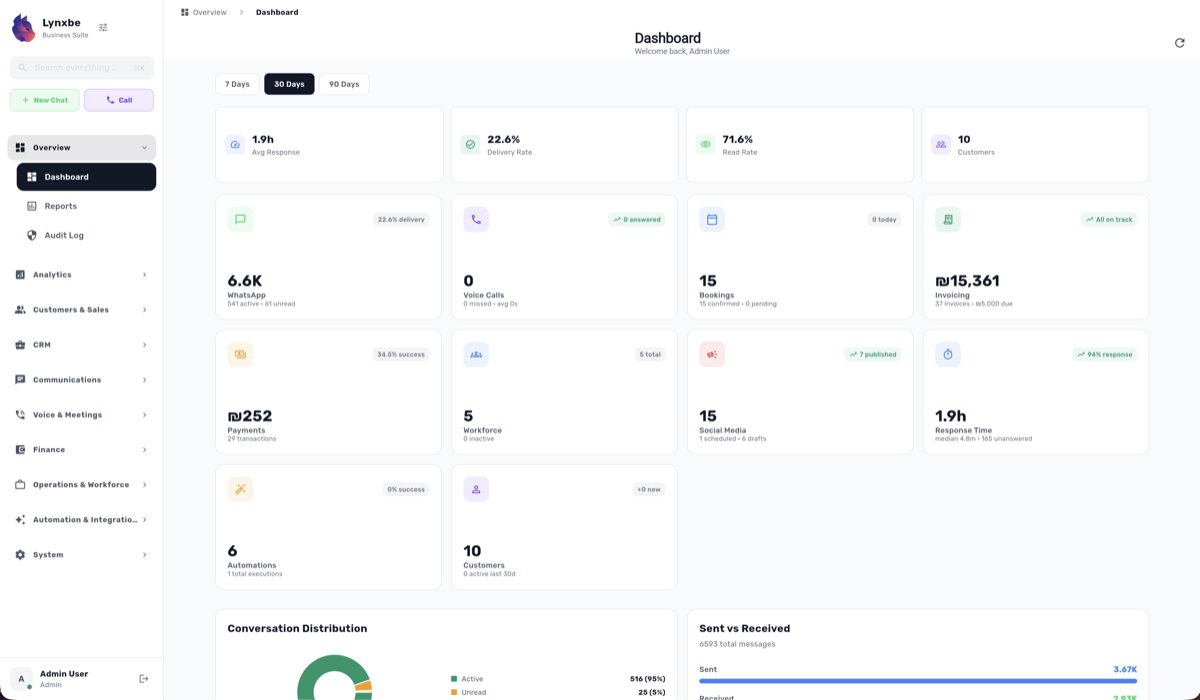
Additionally, the new API supports enhanced analytics tools that provide businesses with valuable insights into customer interactions. These analytics can help identify trends, track customer satisfaction, and measure the effectiveness of communication strategies, enabling data-driven decision-making.
Finally, the updated API places a strong emphasis on security and compliance, ensuring that businesses can communicate with customers in a secure environment. End-to-end encryption remains a core feature, and new compliance measures are being implemented to adhere to global data protection regulations, which is particularly relevant for businesses operating in multiple regions.
Implementing Changes for Better Customer Service
To take full advantage of the new WhatsApp Business API features, businesses must implement strategic changes to their customer service operations. One effective way to do this is by developing a comprehensive chatbot strategy that utilizes the advanced NLP capabilities. For instance, a retail company can create a chatbot that understands customer queries about product availability, order status, and returns, providing instant responses and reducing the load on human agents.
Moreover, businesses should consider integrating multimedia messaging into their customer service approach. For example, a travel agency can send personalized itineraries as PDF documents or share promotional videos through WhatsApp, enhancing customer engagement and providing a more interactive experience. This not only improves customer satisfaction but also increases the likelihood of conversion.
To ensure that these changes are effective, it is essential to continuously monitor customer interactions through the newly available analytics tools. By analyzing customer feedback and engagement data, businesses can identify areas for improvement and adjust their strategies accordingly. This data-driven approach will help in refining the customer experience and ensuring that the communication remains relevant and impactful.
Case Studies from Local Businesses Leveraging the Updates
Several Israeli companies have already begun to harness the power of the new WhatsApp Business API features, demonstrating how these updates can lead to improved customer service and increased sales. One noteworthy example is a local e-commerce startup that integrated a custom chatbot into their WhatsApp Business account. The chatbot is capable of handling customer inquiries, processing orders, and providing personalized recommendations based on user behavior.
This startup reported a 40% reduction in response time to customer queries, resulting in significantly enhanced customer satisfaction. The ability to send multimedia messages enabled the company to share visually appealing product images and promotional videos, which further boosted engagement and conversion rates.
Another successful case is a healthcare provider that utilized the WhatsApp Business API to streamline patient communication. By implementing appointment reminders and patient follow-up messages through WhatsApp, the provider improved patient adherence to appointments by 30%. The use of rich media messages allowed them to share educational content about health practices, making the communication more informative and engaging.
A prominent Israeli fintech company leveraged the enhanced analytics tools to gain insights into customer behavior and preferences. By analyzing interaction data, they could identify peak hours for customer inquiries and tailor their staffing accordingly. This resulted in a more efficient customer service operation, with a noticeable increase in customer satisfaction scores.
Best Practices for Integrating WhatsApp with Existing CRM Systems
Integrating WhatsApp with your existing CRM system can significantly enhance customer service efficiency and effectiveness. One of the best practices is to ensure seamless data synchronization between the two platforms. This means that any information collected through WhatsApp interactions should automatically update the CRM system, providing a holistic view of the customer journey.
For example, when a customer interacts with a chatbot on WhatsApp, their responses should be logged into the CRM. This allows sales and support teams to access up-to-date information when following up with customers, creating a more personalized experience. A company can achieve this by using APIs that connect their CRM system with the WhatsApp Business API, ensuring real-time data flow.
Another best practice is to train customer service agents on how to effectively use WhatsApp as a communication channel. This includes understanding the nuances of customer interactions through messaging, such as the importance of tone and brevity. Agents should also be equipped with the knowledge to escalate issues that require human intervention, ensuring that customers receive timely assistance.
Finally, businesses should establish clear guidelines for using WhatsApp in customer service. This includes setting expectations for response times, defining the types of inquiries that can be handled through messaging, and ensuring compliance with data protection regulations. By providing a structured approach to WhatsApp communication, businesses can maintain professionalism while enhancing the customer experience.
Actionable Insights and Takeaways
As you consider implementing the new WhatsApp Business API features within your organization, it is essential to approach the changes strategically. Begin by assessing your current customer service processes and identifying areas where WhatsApp can add value. This could involve streamlining communication, enhancing engagement through multimedia content, or utilizing chatbots for efficient customer support.
Next, focus on training your team to effectively leverage these tools. Empower your customer service agents with the skills they need to navigate the new API features and provide exceptional service through WhatsApp. Remember, the goal is not just to adopt new technology but to transform the customer experience through effective communication.
Finally, continuously monitor and analyze customer interactions using the available analytics tools. This data-driven approach will enable you to refine your strategies, ensuring that your WhatsApp communication remains relevant and impactful. By staying agile and responsive to customer needs, your business can thrive in the competitive landscape of 2026 and beyond.
Conclusion and Call to Action
In conclusion, the 2026 updates to the WhatsApp Business API present a wealth of opportunities for businesses looking to enhance customer service and engagement. By understanding and implementing these new features, companies can significantly improve their communication strategies, foster customer loyalty, and ultimately drive sales growth.
As a tech professional or business leader, now is the time to assess how you can integrate these changes into your operations. Whether through developing sophisticated chatbots, leveraging multimedia messaging, or enhancing your CRM integrations, the potential for growth is immense.
Take the first step today by exploring how your organization can benefit from the WhatsApp Business API updates. Engage with your team, strategize your implementation plan, and ensure that you are well-equipped to navigate the evolving landscape of customer communication in 2026.




Comments
💬 Share your thoughts