Navigating US Sales Tax Changes: What SMBs Need to Know

Navigating US Sales Tax Changes: What SMBs Need to Know
The landscape of sales tax in the United States has undergone significant transformations in recent years, and these changes have created both challenges and opportunities for small and medium-sized businesses (SMBs). With the dramatic rise in online shopping and the increasing complexity of state tax regulations, it's crucial for business owners to stay informed and compliant. This blog post will explore the key sales tax changes affecting SMBs and provide actionable steps to ensure your business adapts effectively.
As e-commerce continues to flourish, sales tax regulations have evolved to keep pace with the digital economy. In 2018, the U.S. Supreme Court's decision in South Dakota v. Wayfair, Inc. allowed states to impose sales tax on remote sellers regardless of physical presence. This landmark ruling has prompted numerous states to enact or adjust sales tax laws, making it essential for SMBs to understand their obligations to avoid penalties and fines.
Understanding these sales tax changes is not merely an academic exercise; it has real implications for your bottom line. If you're an SMB selling goods or services online, the ramifications of non-compliance could lead to hefty fines, lost revenue, and a damaged reputation. Therefore, knowing how to navigate these changes is not just advisable—it's essential for your business's survival and growth.
In this blog post, we will break down the critical changes in sales tax regulations, provide actionable steps for integrating tax compliance into your invoicing processes, and discuss how to leverage software tools for automated tax calculations. We will also share best practices for educating your team on sales tax compliance, giving you a holistic view of how to effectively manage this complex area.
Key Changes in US Sales Tax Regulations
One of the most significant changes in U.S. sales tax regulation was the aforementioned Supreme Court decision, which allows states to tax sales made by businesses without a physical presence in that state. This means that if your business sells to customers in multiple states, you may now be obligated to collect and remit sales tax in those states, even if you don’t have a brick-and-mortar store there.
Additionally, states have been quick to adapt, with many implementing economic nexus laws. These laws establish a sales tax obligation based on the volume of sales or the number of transactions, rather than physical presence. For instance, California requires a business to collect sales tax if it makes over $500,000 in sales within the state, regardless of where the business is located.
Furthermore, the definitions of taxable goods and services are also changing. Some states are expanding their definitions to include digital products, software as a service (SaaS), and even certain services that were previously exempt. This shift means that businesses need to be vigilant about what they are selling and how it is classified for tax purposes.
Actionable Steps for Integrating Tax Compliance into Your Invoicing Process
To ensure compliance with the evolving sales tax landscape, SMBs must integrate tax compliance into their invoicing processes effectively. The first step is to assess your sales activities across different jurisdictions. This involves identifying where your customers are located and what sales tax obligations you may have in those states.
Once you have a clear understanding of your obligations, it's essential to implement a system for collecting sales tax at the point of sale. This can be done manually, but as your business grows, manual calculations can become cumbersome and error-prone. Therefore, it's wise to consider automated solutions that can streamline this process.
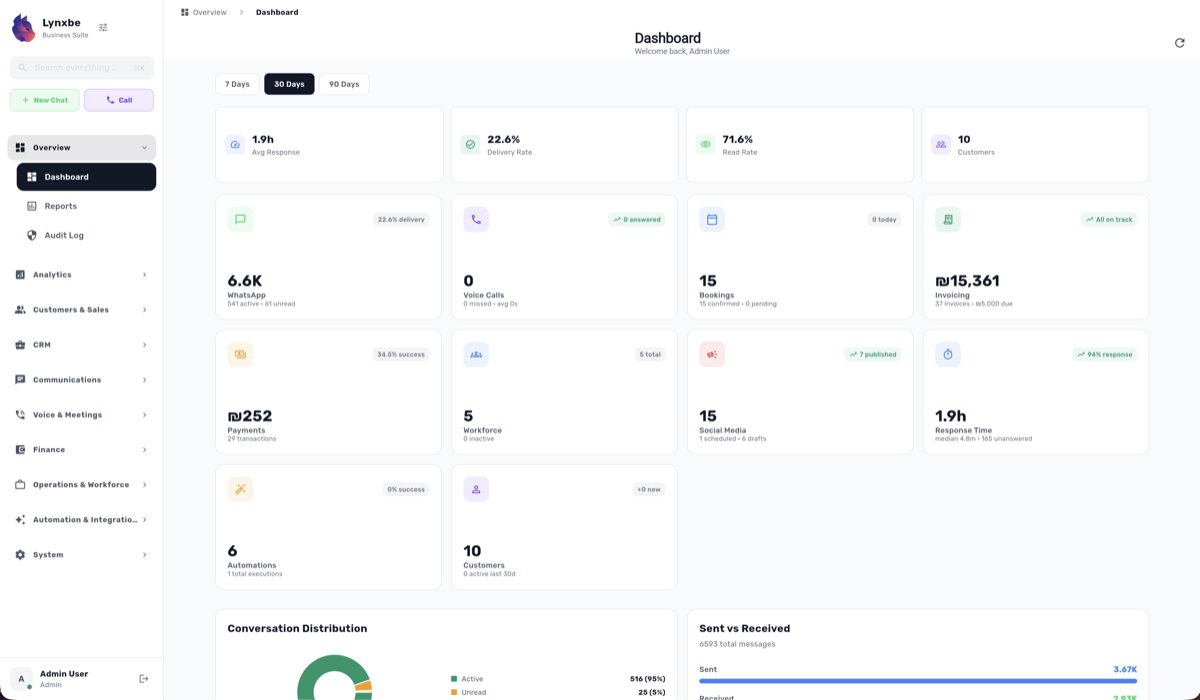
Additionally, your invoicing system should be capable of generating tax-compliant invoices. This means including the correct sales tax amount, showing it separately, and ensuring that the invoices meet the regulatory requirements of each state. Software such as Lynxbe allows you to issue tax invoices and receipts seamlessly, ensuring compliance while saving you time.
Utilizing Software Tools for Automated Tax Calculations
In today's digital age, leveraging technology for tax compliance is no longer optional; it's a necessity. Automated tax calculation tools can significantly reduce the workload associated with sales tax compliance. These tools can integrate with your existing systems, such as your CRM or e-commerce platform, allowing for real-time calculations based on the latest tax rates and rules.
For example, Lynxbe offers a comprehensive invoicing module that not only allows you to issue invoices but also incorporates automated tax calculations. When you create an invoice, the system automatically calculates the applicable sales tax based on the customer's location, ensuring accuracy and compliance.
Moreover, using software tools like Lynxbe can help you keep track of tax-exempt customers, manage exemptions efficiently, and generate reports for tax filings. This level of automation can save you countless hours and reduce the risk of human error in your tax calculations.
Best Practices for Educating Your Team on Sales Tax Compliance
Education is a critical component of sales tax compliance. As regulations evolve, your team needs to stay informed about the latest changes and understand their implications. Regular training sessions can help ensure that your staff is equipped to handle sales tax matters effectively.
One practical approach is to create a centralized resource for sales tax information. This could be a shared drive or an internal wiki where you store documents, guidelines, and updates related to sales tax. By making this information easily accessible, you empower your team to find answers quickly and efficiently.
Additionally, consider assigning a dedicated sales tax compliance officer within your organization. This individual can be responsible for staying updated on tax regulations, educating staff, and ensuring that your business remains compliant. This role can be crucial for larger SMBs with more complex sales structures.
Real-World Use Cases from Businesses in the US, UK, and Europe
To illustrate the importance of navigating sales tax changes, let’s explore some real-world use cases. A small e-commerce company based in New York City began selling its products online and quickly expanded its customer base across multiple states. Initially unaware of their sales tax obligations, they faced a significant tax bill after an audit revealed they owed back taxes for sales made in other states.
To rectify the situation, the company integrated Lynxbe's invoicing and payments module into their operations. This allowed them to automate sales tax calculations and generate compliant invoices. As a result, they not only avoided future penalties but also streamlined their invoicing process, improving cash flow.
In the UK, a software-as-a-service provider faced challenges when expanding into the European market. Each country had its own VAT regulations, and the complexity of managing multiple tax rates was overwhelming. They turned to a tax compliance software solution that integrated with their billing system, allowing them to automate VAT calculations based on the customer's location.
Similarly, a startup in Europe selling digital products encountered issues with tax compliance due to varying regulations across EU member states. By leveraging Lynxbe's invoicing module, they could generate VAT-compliant invoices effortlessly, thus avoiding the risk of non-compliance while focusing on their core business activities.
Actionable Insights and Takeaways
Navigating U.S. sales tax changes can be daunting, but with the right knowledge and tools, SMBs can thrive. First, stay informed about the latest sales tax regulations and how they apply to your business. Conduct a thorough assessment of your sales activities to identify your tax obligations across different states.
Second, integrate automated solutions into your invoicing process to streamline tax compliance. Tools like Lynxbe can significantly reduce the burden of manual calculations while ensuring accuracy and compliance with tax laws.
Finally, prioritize education and training within your team to foster a culture of compliance. By keeping your staff informed and equipped with the latest knowledge, you can mitigate risks and enhance your business's operational efficiency.
Conclusion and Call to Action
In conclusion, navigating U.S. sales tax changes is a critical challenge that requires proactive measures from SMBs. By understanding key regulatory changes, integrating tax compliance into your invoicing processes, and leveraging automated solutions, you can ensure your business remains compliant and competitive in the ever-evolving marketplace.
To take the next step in simplifying your tax compliance and invoicing processes, consider exploring the modules offered by Lynxbe. With features such as tax invoices, online payment links, and subscription billing, Lynxbe provides an all-in-one solution for managing your business operations efficiently. Discover more about our modules at Lynxbe Modules or check out our pricing options at Lynxbe Pricing.




Comments
💬 Share your thoughts