The advantages of the WhatsApp API for small businesses in Israel
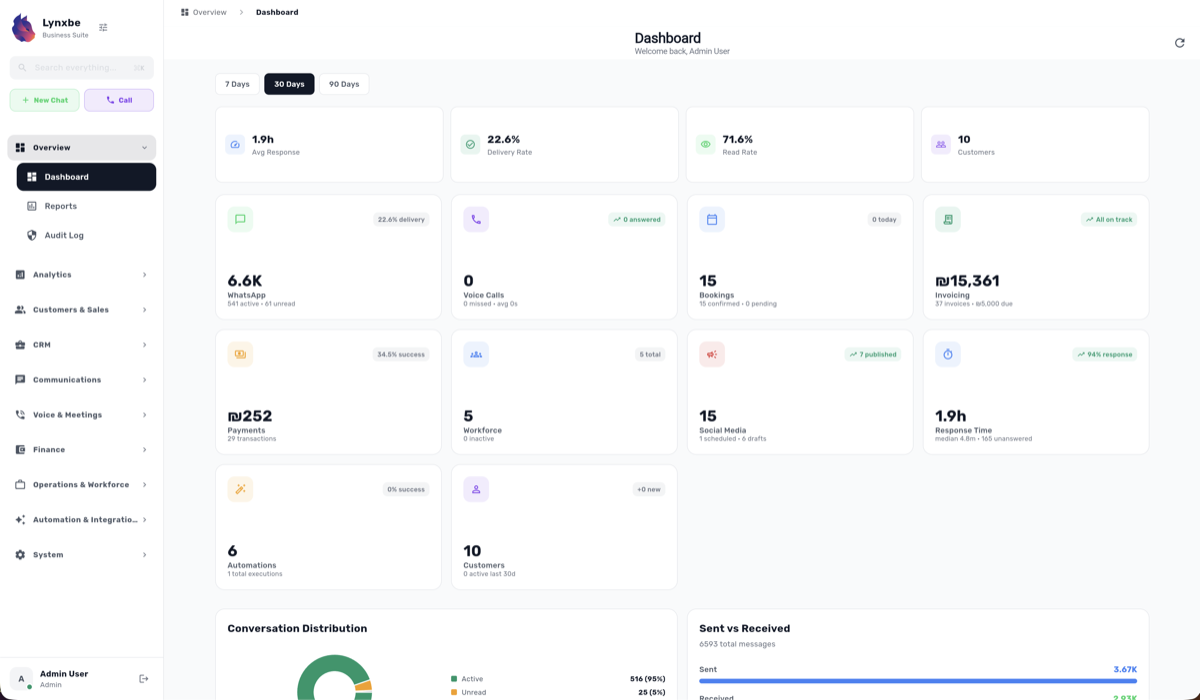
In the digital age we live in, communication between businesses and customers has become faster and more accessible than ever. One of the key platforms leading this change is WhatsApp. With over a billion users worldwide, WhatsApp has become one of the leading messaging applications, offering small businesses in Israel numerous opportunities to enhance their communication with customers.
As part of this initiative, WhatsApp offers an API (Application Programming Interface) that allows businesses simple and efficient integration with the system. With the API, businesses can send and receive messages, manage conversations with customers, and create personalized experiences that were not possible before. In this article, we will explore the advantages of using the WhatsApp API for small businesses in Israel and present examples of effective uses.
The main advantage of the API is the ability to streamline communication with customers. Businesses can use it to send automated messages, provide updates on order status, send appointment reminders, and more. All of these contribute to enhancing the customer experience and increasing the chances of business success.
Additionally, the API allows businesses to obtain important information about their customers, such as usage data and preferences. This information can be used to optimize the services and offers that the business provides. In an era where customers expect fast and personalized service, the WhatsApp API offers an ideal solution.
Advantages of Using the WhatsApp API
One of the prominent advantages of the WhatsApp API is the ability to send automated messages. This is a tool that can save time and improve the efficiency of the business. For example, a small business can set up an automated message to be sent to customers after they make a purchase, or when there is an important update related to their order. This way, the business stays in touch with customers even when there is no direct response.
Another advantage is the ability to send personalized messages. Using the API, businesses can send messages based on data collected from customers. For example, if a customer bought a specific product, they can receive additional offers based on their previous purchase, which can increase sales.
The API also allows integration with existing CRM systems. Businesses can use it to merge data from WhatsApp with their customer management system, allowing them to manage communication with customers in a more organized manner. Such management can help the business identify potential service issues and address them quickly.
Through the API, businesses can also measure the success of their marketing campaigns. The information obtained from conversations with customers can provide insights into what works and what doesn't. With this data, businesses can improve their marketing strategies and tailor their offers to meet customer needs.
Examples of Effective Uses
Suppose we have a small online clothing store. Using the WhatsApp API, the business can send automated messages to customers regarding their orders. For example, after the customer makes a purchase, they receive a message updating them that the order has been received, along with the order number.
When the product is out for delivery, the business can send another message with shipping details. This way, the customer knows exactly what is happening with their order and feels that the business takes them seriously. This is a simple yet effective use that strengthens the relationship with the customer and enhances the shopping experience.
Another example is a food business, such as a restaurant or bakery. They can use the WhatsApp API to send menus, promotions, and special offers to customers. For example, on Fridays, the restaurant can send a message to customers with the special weekend offers, thus increasing order rates.
For service businesses, such as hair salons or beauty institutes, the API can be used to send appointment reminders. Customers can receive an automated message before the appointment, thus reducing the rate of cancellations and delays. This is an important tool that helps maintain order and organization in the business.
Integration with CRM and Automated Solutions
One of the important aspects of using the WhatsApp API is integration with CRM systems. In an era where information is king, the ability to merge data from WhatsApp with the customer management system is critical. With this integration, businesses can track every conversation with a customer, analyze the information, and improve service.
For example, if a customer contacts customer service via WhatsApp, all the information about the conversation, including the customer's history, can be automatically updated in the CRM system. This allows service representatives to see the entire history of the customer, helping them provide faster and more accurate service.
Additionally, with automated solutions that can be developed around the API, businesses can offer additional services to customers. For example, bots can be developed to perform simple tasks such as scheduling appointments or providing information about products. This not only saves time for the business but also offers customers a fast and convenient service experience.
How to Implement and Measure Success
Implementing the WhatsApp API in a small business may seem challenging, but with proper planning, it can be a straightforward process. First, you need to choose the platform or tools that will support the implementation of the API. There are many companies offering customized solutions, and it's important to choose the right solution for the business's needs.
Once the API is implemented, you need to set up the automated messages you want to send to customers. It's important to plan the content of the messages and ensure they are personalized and professional. Additionally, you need to determine the metrics you want to measure, such as conversion rates or customer satisfaction.
The next step is analyzing the data collected from conversations with customers. Using CRM systems, you can analyze communication and identify trends. Are customers responding well to messages? Are there recurring issues in conversations? All of these can help the business improve the services it offers.
Real-World Cases of Israeli Technology Companies
In Israel, many technology companies have already adopted the WhatsApp API with great success. For example, the company "CoFix" uses the API to send updates to customers about promotions and special offers. Customers can receive messages directly, allowing them to stay updated in real-time.
Another company is "Milki," which uses WhatsApp to communicate with its customers. They send reminders about promotions and conduct surveys to understand customer preferences. The survey results allow them to tailor their offers and services, leading to continuous improvement in customer experience.
Even in the tourism and travel sector, companies like "Israir" have used the WhatsApp API to send updates to customers about flights, schedules, and changes. This is a solution that allows customers to stay informed at all times and reduces the burden on service centers.
Tips and Best Practices
To get the most out of using the WhatsApp API, there are several tips to follow. First, ensure that the messages sent to customers are relevant and helpful. Excessive promotional messages can annoy customers and cause them to stop following the business.
Also, it is important to monitor response times to messages. Customers expect a quick response, so it is essential to ensure timely replies. If possible, consider integrating bots that can answer frequently asked questions.
Finally, remember to measure the success of using the API. Check which messages receive the best responses and optimize accordingly. Continuous optimization will help improve communication with customers and increase conversion rates.
Insights and Practical Advice
Using the WhatsApp API offers small businesses in Israel a unique opportunity to enhance communication with customers. In an era where customers expect fast and personalized services, the API provides solutions that allow businesses to streamline communication and increase customer satisfaction.
Through automated messages, integration with CRM systems, and the use of data collected from conversations with customers, businesses can not only improve service but also increase sales. It is important to remember that investing in customer service is an investment in the future of the business.
In conclusion, if you manage a small business in Israel, do not hesitate to take advantage of the benefits of the WhatsApp





Comments
💬 Share your thoughts