The advantages of integration with the WhatsApp Cloud API for businesses
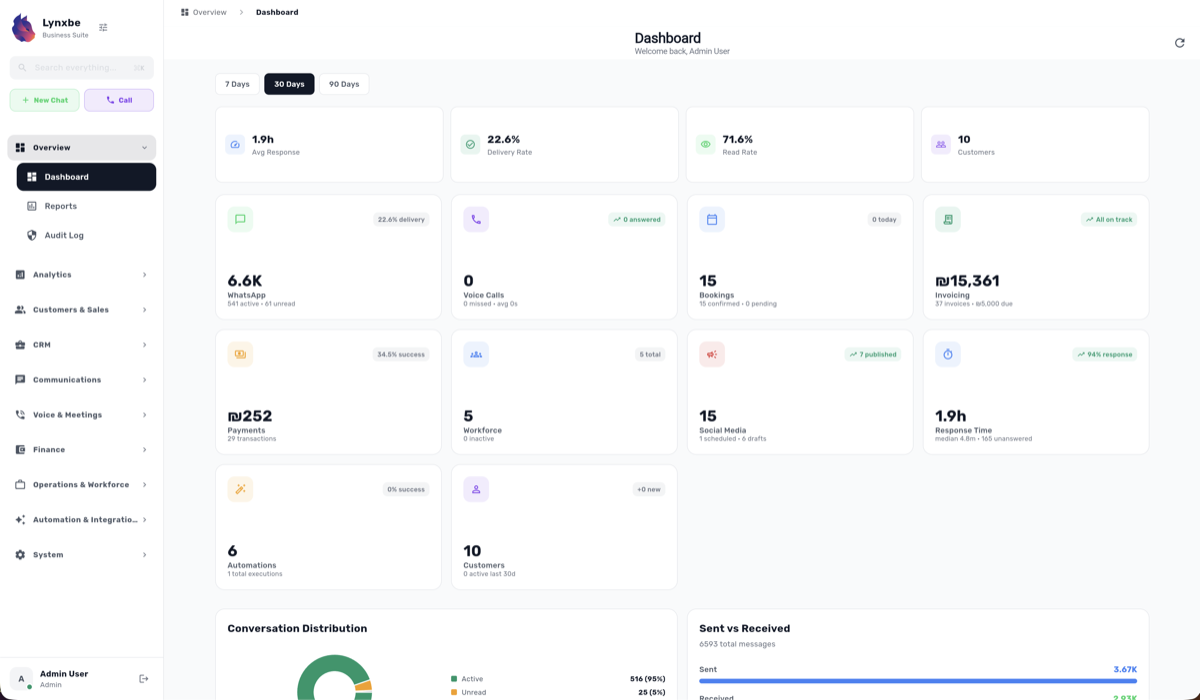
In the digital age we live in, communication between businesses and customers has become faster and more efficient than ever. One of the leading tools in this communication field is WhatsApp, which provides businesses with a convenient and effective platform to communicate with their customers. With the launch of the WhatsApp Cloud API, businesses have a new opportunity to enhance the customer experience and streamline their internal processes.
The WhatsApp Cloud API offers a variety of new and advanced features that allow businesses to communicate with their customers in an automated, personalized, and efficient manner. Whether it’s automated messages, customer support, or managing promotional campaigns, these new tools can improve the business performance of any company. In this article, we will review the benefits of integrating with the WhatsApp Cloud API, present practical use cases, and examine how these tools can be implemented in your business.
With the launch of the WhatsApp Cloud API, businesses can benefit from the platform's advanced capabilities, such as sending group messages, receiving messages from customers in real-time, and maintaining ongoing conversations with customers. All of this, alongside easy API integration, makes these tools essential for businesses of all sizes and across various sectors. In an era where customers expect immediate responses and personalized service, integration with the WhatsApp Cloud API is not just an advantage, but a necessity.
In this article, we will dive deep into the benefits of integrating with the WhatsApp Cloud API, examine practical use cases across different businesses, and show how these tools can be combined with other platforms like CRM. We will also consider practical code examples that can be implemented, so you can start working on the integration in your business today.
Overview of New Features in WhatsApp Cloud API
The WhatsApp Cloud API offers several new features that enable businesses to communicate with customers in a more advanced way. One significant feature is the ability to send automated messages based on customer actions. For example, you can set up an automated message to be sent to a customer as soon as they leave their details on the business website, or when they make a purchase. This feature allows businesses to enhance the customer experience and reduce the workload on support teams.
Additionally, the WhatsApp Cloud API allows businesses to send messages in different languages, making it easier to communicate with international customers. This is a significant advantage for Israeli businesses serving customers outside the country's borders. Through automatic translation and personalized messages, businesses can feel closer to their customers and create a tailored customer experience.
Another important feature is the ability to send media such as images, videos, and files. With the WhatsApp Cloud API, businesses can enhance their communication not just through text but also with rich content. For example, you can send customers links to special offers or images of new products. This is a notable advantage in promotional campaigns, where visual content can improve conversion rates.
How to Implement the New Tools in Your Business
Implementing the WhatsApp Cloud API in your business is a process that requires planning and a deep understanding of your needs. Before you start, it’s advisable to analyze the existing processes in your business and identify areas where communication with customers can be upgraded. Do you have a support team that responds to customer messages? Are you interested in sending automated messages? These are all questions that can help you determine the directions in which to move forward.
Once you understand your needs, the next step is to sign up for the WhatsApp Cloud API and obtain the necessary keys for using the API. The process involves setting up a business account on WhatsApp, so you can control the messages sent and manage conversations with customers conveniently. It’s important to remember that the WhatsApp Cloud API requires access to a server where you can run your code, so it’s advisable to consider using cloud services to ensure high availability.
After successfully gaining access to the service, you can start developing your applications. You can use programming languages like Python or Node.js, which support linking to the WhatsApp Cloud API, and create an interface where you can send and receive messages. For example, you can write simple code to send a message to a customer. Here’s an example of code in Python:
import requests

# Define the required information
url = "https://graph.facebook.com/v13.0/YOUR_PHONE_NUMBER_ID/messages"
headers = {
    "Authorization": "Bearer YOUR_ACCESS_TOKEN",
    "Content-Type": "application/json"
}

# Message you want to send
data = {
    "messaging_product": "whatsapp",
    "to": "RECIPIENT_PHONE_NUMBER",
    "text": {
        "body": "Hello! Thank you for contacting us."
    }
}

# Send the message
response = requests.post(url, headers=headers, json=data)

# Check the response
if response.status_code == 200:
    print("Message sent successfully!")
else:
    print("Error sending message:", response.json())
As you can see, the code is simple and includes all the required elements to send a message. You can expand this code to include additional functions such as receiving messages or sending automated messages based on different criteria.
Practical Use Cases in Different Businesses
Integration with the WhatsApp Cloud API can benefit businesses across a wide range of fields. For example, in the restaurant sector, the API can be used to send order confirmations to customers, send reminders about upcoming orders, or offer special promotions. In these cases, the communication process becomes faster and more convenient, which can improve the customer experience.
In the retail world, businesses can leverage the WhatsApp Cloud API to send updates on delivery statuses, offer new products, or send promotional campaigns. For instance, a retail chain can send a message to customers about a special promotion on Black Friday, with images of the products offered. This is a tool that can increase conversion rates and improve customer engagement.
In the financial services sector, the WhatsApp Cloud API can enhance communication with customers. For example, banks can send alerts about account activities, verify transactions, or offer new services. All of this is done while maintaining customer privacy and information security.
Integration with Other Platforms like CRM
One of the important advantages of the WhatsApp Cloud API is the ability to integrate it with other platforms like CRM systems. This integration can enhance your business management capabilities and streamline workflows. For example, a CRM system can store all the messages sent to customers, analyze communication data, and provide a detailed report on interactions with customers.
By integrating with CRM, you can optimize communication with customers and improve service experience. For example, when a customer contacts customer service, the system can identify their history and provide the support team with all the necessary details for quick and efficient handling. This is a significant advantage that can save time and improve service quality.
Additionally, you can use data collected from the CRM system to conduct paid campaigns on WhatsApp. By analyzing the data, you can understand which customers are likely to respond to messages, what type of content interests them, and thus optimize your campaigns. This is a powerful tool that can enhance your business performance.
Success Stories from the Israeli Tech World
In the Israeli tech world, several companies have already adopted the WhatsApp Cloud API and successfully upgraded their communication with customers. One of them is "Wolt", which provides delivery services. The company used the API to send customers messages about their delivery status, reminders about special promotions, and to provide real-time support. The result was a significant improvement in customer satisfaction.
Another company is "Gett", which offers taxi services through an app. By using the WhatsApp Cloud API, Gett has managed to streamline communication with passengers. The company sends automated messages to passengers with information about the status of their order and provides immediate support when needed. This is a significant advantage that can be measured by the improvement in the customer experience.
In the marketing sector as well, there are Israeli companies that leverage the WhatsApp Cloud API to enhance their campaigns. For example, an advertising agency uses the API to send targeted promotional messages to potential customers while analyzing the responses and performance of the campaigns. This is a tool that can upgrade the marketing performance of any company.


Comments
💬 Share your thoughts