WhatsApp API Updates: What It Means for Israeli Businesses
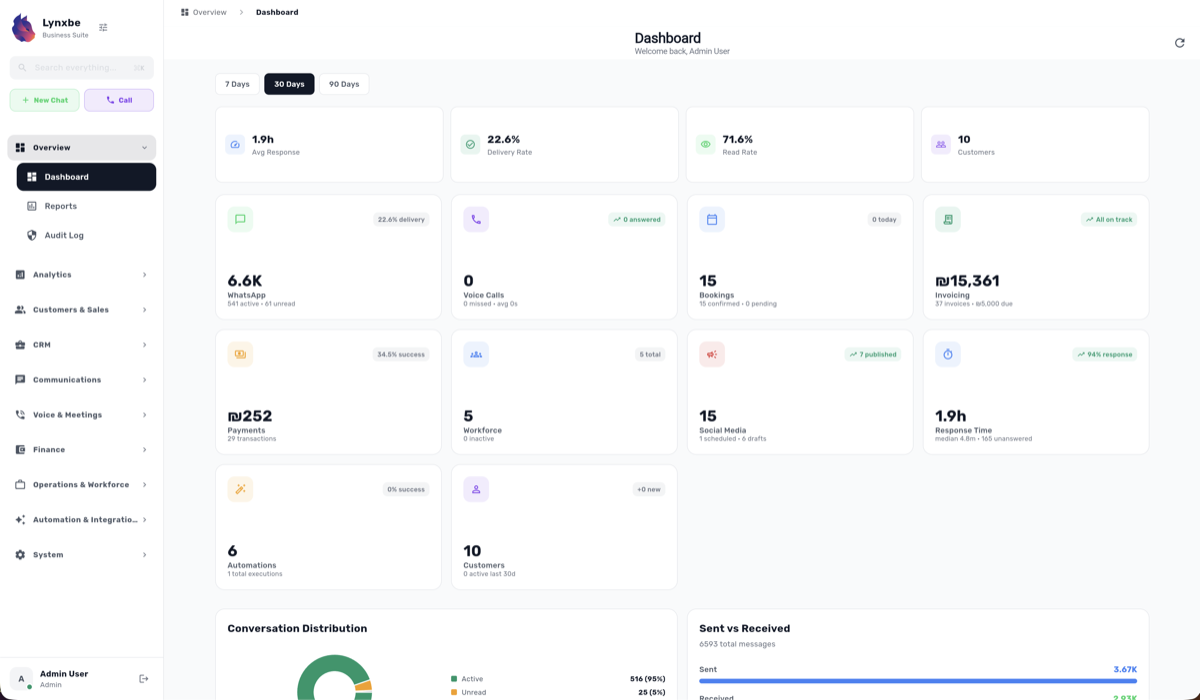
In recent years, WhatsApp has become one of the most popular platforms for communication between people and businesses. With the arrival of the WhatsApp Cloud API, new and exciting opportunities have opened up, especially for Israeli businesses looking to enhance communication with their customers. These updates not only upgrade existing functions but also open new doors for collaborations and technological tools that can elevate the services provided by companies.
Now more than ever, businesses are required to adapt to the rapid changes in the digital world. The WhatsApp Cloud API offers technological solutions that enable businesses to better make their services accessible to customers. Through this API, businesses can initiate conversations, send updates, offer real-time customer service, and above all, improve the customer experience.
The transition from WhatsApp Business API to WhatsApp Cloud API represents a significant change. In this update, WhatsApp offers a cloud-based solution that simplifies the installation and management process, allowing both small and large businesses to implement the platform relatively easily. What does all this mean for a business in Israel? It's time to understand the essence of the new updates and how they can elevate your business.
In the following article, we will review the essence of the WhatsApp Cloud API, the ways to connect to CRM systems and other systems, the benefits for communication with customers, and the steps to take to start using the new updates. We will provide practical examples, code, and use cases from the local world to illustrate the potential inherent in these updates.
What is WhatsApp Cloud API and How It Changes
The WhatsApp Cloud API is a new solution that allows businesses to communicate with their customers more easily, quickly, and in a cloud-based manner. Instead of relying on local infrastructures or private servers, the WhatsApp Cloud API offers cloud services that provide quicker and more convenient access to the tools required for customer communication.
The transition to this new API offers advantages such as higher availability, improved data security, and reduced operational costs. Businesses can operate the API without worrying about maintaining physical infrastructures, freeing up resources for other aspects of the business such as marketing and customer service.
As part of the changes occurring with the WhatsApp Cloud API, the authentication and connection process has become simpler. Businesses can start using the API within minutes, allowing them to launch campaigns more quickly. This is a significant change, especially for startups and small businesses in Israel, which are looking for quick and efficient solutions.
Connecting to CRM and Other Systems
One of the major advantages of the WhatsApp Cloud API is the ability to connect the system to CRM systems and other systems. This is a strategic move that can enhance the customer experience in business. Through this connection, businesses can manage communication with their customers from one place, simplifying processes and preventing overlaps.
How does it work? With the API, businesses can send and receive messages directly from their CRM system. For example, when a customer contacts customer service via WhatsApp, the message can enter directly into the CRM system, allowing service representatives to respond quickly and efficiently. This is a step that reduces response times and increases customer satisfaction.
Additionally, this option allows businesses to analyze their communication with customers more effectively. The information collected from conversations can be used to create reports and perform analyses that help improve services. For example, if it is discovered that a certain customer base is asking similar questions repeatedly, the answers can be updated or frequently asked questions can be added to the website.
Benefits for Communication with Customers
The advantages of the WhatsApp Cloud API are primarily reflected in communication with customers. First, WhatsApp is a well-known and widely used platform, so many customers prefer to communicate with businesses through an app they are accustomed to.
Second, the WhatsApp Cloud API offers advanced tools for sending personalized messages. Businesses can send automated messages based on customer data, allowing for a more personalized user experience. For example, a customer can receive a message with a special offer based on their purchase history, which increases the chances of conversion.
Furthermore, the WhatsApp Cloud API supports services such as sending links, images, and videos, which enhances the attractiveness of the messages. Customers can receive information in a more practical and inviting manner, which may drive them to take action.
How to Start Using the New Updates
After understanding the advantages of the WhatsApp Cloud API, the next step is to know how to start using it. First, you need to register for the WhatsApp Cloud API service through the Facebook for Developers platform. The registration process includes verifying a business phone number and setting up business details.
After that, you can start implementing the API into your systems. It is important to remember that installation may require technical knowledge, so if you are unsure, you may want to consider consulting an expert in the field. There are many open-source code libraries that can assist in the process, as well as extensive documentation provided by WhatsApp.
Finally, once the API is installed, it is advisable to enter a trial and error phase. Test your messages, see which messages receive the best responses from customers, and adjust your strategy accordingly. This is an ongoing process that requires constant updating, but it is definitely worth the effort.
Use Cases from the Israeli Market
To illustrate the potential of the WhatsApp Cloud API, let’s examine several practical use cases from the Israeli market. Companies like Wix and Gett have begun using the API to enhance their customer service and make communication with users more intuitive.
Wix, for example, uses the WhatsApp Cloud API to send updates to customers about changes in systems and services. Customers receive direct messages about changes, technical issues, or new promotions, which increases their satisfaction.
Gett, the Israeli taxi company, has also used the WhatsApp Cloud API to streamline the communication process with drivers and passengers. Through automated messages, the company is able to provide quick responses to frequently asked questions and prevent delays in replies.
Smaller businesses, such as local shops and service professionals, are also experimenting with the use of the WhatsApp Cloud API. They send personal messages to customers to offer promotions, update on product availability, or schedule appointments, thereby increasing accessibility and closeness to customers.
Best Practices and Tips
To get the most out of the WhatsApp Cloud API, there are a few tips that can help. First, it is important to be clear and concise in messages. Customers appreciate having information readily available and accessible, so it’s advisable to ensure clear wording.
Second, ensure a quick response. Customers expect a prompt reply to their messages, so it’s a good idea to set up automated messages that provide an initial response while representatives reply as soon as possible.
Finally, it is advisable to maintain a frequency of communication. Don’t overwhelm customers with unnecessary messages, but also don’t forget to keep in touch. Periodic messages with updates or promotions can keep customers informed and engaged.
Insights and Conclusions
The WhatsApp Cloud API offers businesses in Israel an exceptional opportunity to enhance communication with their customers. With the tools and functions offered by the API, businesses can make their services more accessible, improve the customer experience, and increase the effectiveness of existing systems.
Moreover, the rapid changes in the digital world require businesses to adapt and stay updated. The launch of the WhatsApp Cloud API is a golden opportunity that should not be missed and is a strong recommendation for any business looking to remain relevant in the market.
Conclusion with a Call to Action
Now that you are aware of the WhatsApp Cloud API updates, it's time to take action. If you are business managers, CTOs, or developers, consider the new options offered by the API and start exploring how to improve communication with your customers.
Don't hesitate to reach out to experts to maximize the potential of the new services. Every step towards innovation and service improvement can yield significant results. Propel your business to the next level with WhatsApp Cloud API!




Comments
💬 Share your thoughts