WhatsApp Cloud API: A Game-Changer for Israeli Marketing
In the ever-evolving landscape of digital communication, WhatsApp has established itself as one of the most popular messaging platforms worldwide. With over two billion users, it has become an essential tool for businesses aiming to engage with their customers. The recent introduction of the WhatsApp Cloud API has revolutionized how companies, particularly in Israel, can leverage this platform for marketing and customer engagement. This new API not only simplifies the process of integrating WhatsApp into existing business systems but also enhances the potential for personalized marketing strategies.
The WhatsApp Cloud API provides organizations with the ability to send and receive messages through the platform without the need for maintaining their own servers. This is particularly advantageous for startups and SMBs in Israel, where agility and cost-effectiveness are crucial. The API enables businesses to manage customer interactions at scale, allowing for automated responses, customer service, and even marketing campaigns directly through WhatsApp. For tech professionals, developers, and founders in the Israeli startup ecosystem, understanding and utilizing this tool could lead to significant competitive advantages.
In this blog post, we will explore the new features of the WhatsApp Cloud API, how to seamlessly integrate it with existing CRM systems, successful case studies from local SMBs that have implemented this technology, and best practices for using WhatsApp in customer engagement. By the end, you will have a comprehensive understanding of how to harness the power of the WhatsApp Cloud API to enhance your marketing efforts and improve customer relationships.
New Features of the WhatsApp Cloud API
The WhatsApp Cloud API offers a range of new features that significantly improve functionality for businesses. One notable feature is the ability to send and receive messages through a simple HTTP interface, making it easier for developers to integrate WhatsApp into their applications. This eliminates the need for complex setups and allows for quick deployment.
Moreover, the API supports rich media messages, enabling businesses to send images, videos, and documents alongside text. This feature is particularly beneficial for marketing campaigns, where visually engaging content can lead to higher engagement rates. By utilizing rich media, companies can provide valuable information about products or services, making their communications more effective.
Another significant enhancement is the support for interactive message templates. These templates allow businesses to create structured messages that can include buttons for quick replies, making it easier for customers to interact with them. This feature can streamline customer service processes and improve user experience by reducing the number of steps needed to obtain information or make decisions.
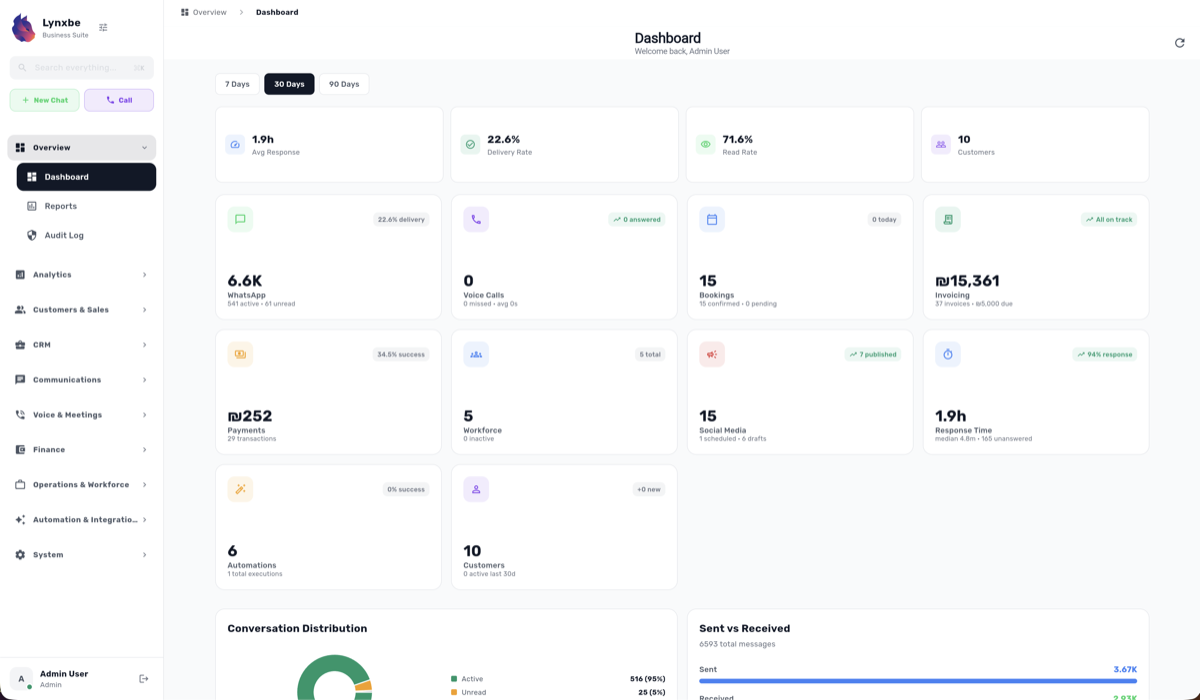
Additionally, the WhatsApp Cloud API includes robust analytics tools that provide insights into message delivery rates, read receipts, and customer engagement. This data is invaluable for refining marketing strategies and understanding customer behavior. By analyzing these metrics, businesses can better tailor their messaging to meet customer needs and preferences.
Integrating WhatsApp Cloud API with Existing CRM Systems
Integrating the WhatsApp Cloud API with existing Customer Relationship Management (CRM) systems is a straightforward process that can yield tremendous benefits. Most modern CRM platforms, such as Salesforce, HubSpot, or Zoho, allow for API integrations, which means businesses can connect WhatsApp directly to their customer data.
The first step in the integration process is to obtain an API key from the WhatsApp Cloud API. Developers can do this through the Facebook for Developers portal, where they can also manage their application settings. Once the API key is secured, it can be used to authenticate requests made from the CRM to the WhatsApp API.
For example, if a business wants to send a promotional message to customers who have opted in for marketing communications, they can automate this process through their CRM. Here’s a simplified example of how the integration can be executed using Python:
import requests

# Define the WhatsApp API endpoint and headers
url = "https://graph.facebook.com/v12.0/YOUR_PHONE_NUMBER_ID/messages"
headers = {
    "Authorization": "Bearer YOUR_ACCESS_TOKEN",
    "Content-Type": "application/json"
}

# Define the message payload
payload = {
    "messaging_product": "whatsapp",
    "to": "RECIPIENT_PHONE_NUMBER",
    "type": "text",
    "text": {
        "body": "Hello! Check out our latest promotions!"
    }
}

# Send the message
response = requests.post(url, headers=headers, json=payload)

# Check the response
if response.status_code == 200:
    print("Message sent successfully!")
else:
    print("Failed to send message:", response.json())
This code snippet illustrates how easy it is to send a message via WhatsApp using the Cloud API. By integrating this functionality into a CRM, businesses can automate customer outreach and improve response times, ultimately enhancing customer satisfaction.
Additionally, businesses can set up webhook notifications to receive messages from customers directly into their CRM. This functionality allows for real-time customer interactions, ensuring that inquiries are addressed promptly. Implementing automation around these interactions can save time and resources while also improving customer engagement.
Case Studies of Successful Implementations by Local SMBs
Israeli startups and SMBs have begun to adopt the WhatsApp Cloud API, witnessing notable improvements in their customer engagement strategies. A prime example is a Tel Aviv-based e-commerce startup that integrated WhatsApp into its customer service model. By enabling customers to reach out through WhatsApp, the company saw a 50% reduction in response time and a significant increase in customer satisfaction ratings.
This startup leveraged the API to automate order confirmations and delivery updates, allowing customers to receive real-time information about their purchases. The ease of communication not only helped retain customers but also attracted new ones through word of mouth, leading to a 30% increase in sales within three months of implementation.
Another successful case is that of a local travel agency that utilized the WhatsApp Cloud API to enhance its booking process. By integrating WhatsApp into their CRM, the agency was able to send personalized travel itineraries and updates directly to customers. The interactive message templates allowed customers to confirm bookings or ask questions with just a click, resulting in a streamlined booking experience.
The agency reported a 40% increase in bookings attributed to the improved communication channel, as customers appreciated the convenience of receiving updates and confirmations directly on their phones. This case study highlights how the WhatsApp Cloud API can transform traditional business processes into more efficient, customer-friendly operations.
Moreover, a leading logistics company in Israel integrated the WhatsApp Cloud API to facilitate communication between drivers and customers. By allowing real-time updates on delivery status through WhatsApp, the company significantly enhanced transparency and trust with its customers. The implementation led to a 60% decrease in missed deliveries and improved overall customer satisfaction scores.
Best Practices for Using WhatsApp in Customer Engagement
To maximize the benefits of the WhatsApp Cloud API, businesses should adhere to several best practices when engaging with customers. Firstly, it is essential to ensure that all communications are opt-in. Customers should have the choice to receive messages, which not only complies with privacy regulations but also helps build trust.
Another best practice is to maintain a consistent tone and style in all communications. Customers appreciate a consistent brand voice, which enhances recognition and fosters a positive relationship. Utilizing rich media effectively can also elevate engagement; businesses should consider incorporating images and videos to make their messages more appealing.
Furthermore, businesses should utilize the analytics tools provided by the API to monitor engagement metrics. By analyzing open rates, response times, and customer feedback, companies can continuously optimize their messaging strategies. Understanding customer preferences will enable businesses to tailor their communications, leading to improved engagement and satisfaction.
Actionable Insights and Takeaways
The WhatsApp Cloud API represents a significant advancement in the way businesses can communicate with customers. By simplifying the integration process and offering powerful features, it provides a unique opportunity for Israeli startups and SMBs to enhance their marketing strategies.
As we have seen through various case studies, businesses that adopt the WhatsApp Cloud API can expect improved customer engagement, streamlined communication processes, and increased sales. The ability to send personalized messages and automate responses can lead to higher customer satisfaction and loyalty.
For tech professionals and founders in Israel, embracing this technology is not just about keeping up with trends; it is about leveraging an innovative tool that can redefine customer relationships. By integrating the WhatsApp Cloud API into their operations, businesses can gain a competitive edge in a rapidly changing market.
Conclusion and Call to Action
In conclusion, the WhatsApp Cloud API is a game-changer for marketing and customer engagement strategies in Israel. Its ease of integration, combined with powerful features, positions it as a vital tool for businesses aiming to connect with customers more effectively.
As you explore the possibilities of this technology, consider how it can be integrated into your existing systems to enhance customer experiences. Whether you are a startup founder, a developer, or a marketing professional, the WhatsApp Cloud API offers a wealth of opportunities to elevate your business.
Take the first step today by researching how your organization can leverage the WhatsApp Cloud API. Engage with your customers in a way that is timely, personalized, and effective. By doing so, you can transform your communication strategies and drive success in your marketing efforts.

Comments
💬 Share your thoughts