WhatsApp Cloud API: What Israeli Businesses Must Know
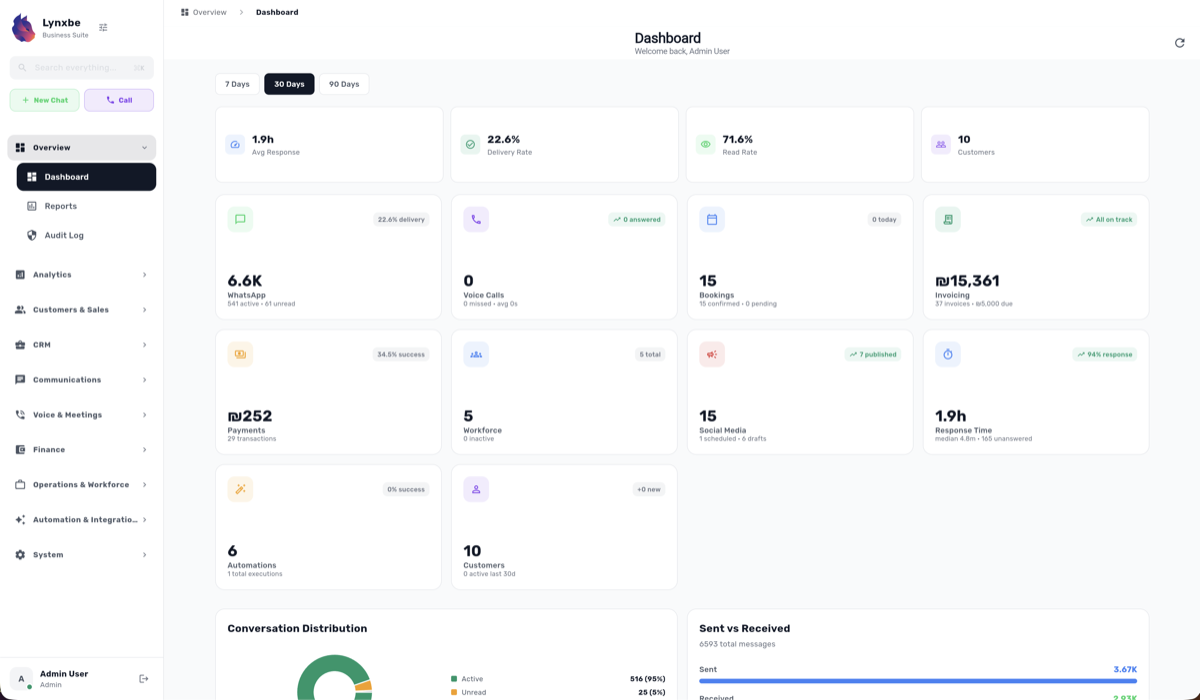
In the rapidly evolving landscape of digital communication, businesses are constantly searching for new ways to engage their customers. One tool that has emerged as a game-changer is the WhatsApp Cloud API. This powerful platform allows companies to connect with their clients on one of the world's most popular messaging applications. For Israeli businesses, leveraging the WhatsApp Cloud API can open up a realm of opportunities for customer interaction, marketing, and service delivery.
WhatsApp’s sheer scale cannot be overstated; with over 2 billion users globally, it presents a unique opportunity for companies to reach their audience where they are most active. The Cloud API offers an easy way to integrate WhatsApp into existing systems, enabling businesses to send notifications, respond to customer inquiries, and even facilitate transactions directly through the app. This capability is particularly beneficial for startups and tech firms in Israel, a country known for its innovation and entrepreneurial spirit.
As we dive deeper into the advantages of the WhatsApp Cloud API, we will uncover practical steps for integration, best practices for customer engagement, and real-world examples of successful implementations within the Israeli tech scene. Whether you're a CTO of a tech startup or a developer looking to enhance customer communication, understanding the nuances of this API will be invaluable.
Benefits of the WhatsApp Cloud API for Marketing
The WhatsApp Cloud API provides numerous benefits that can significantly enhance marketing strategies for Israeli businesses. First, it facilitates real-time communication, allowing companies to engage customers instantly. This immediacy is critical, as consumers increasingly expect prompt responses to their inquiries and concerns.
Second, the API enables personalized messaging, which can significantly improve customer experience. Businesses can use customer data to tailor their communications, sending targeted promotions based on user preferences and behaviors. For instance, a local e-commerce store can send personalized offers to customers who have shown interest in particular products, thereby increasing conversion rates.
Furthermore, the WhatsApp Cloud API supports rich media messages, allowing companies to send images, videos, and documents. This feature is especially useful for marketing campaigns that require visual appeal. For example, a tech startup launching a new product can create an engaging video tutorial and share it via WhatsApp, making it easier for customers to understand its features and benefits.
Finally, analytics capabilities built into the Cloud API offer insights into message performance, helping businesses optimize their strategies. Companies can track metrics such as read rates, response times, and engagement levels, allowing them to refine their messaging and approach continuously. This data-driven marketing strategy can significantly enhance ROI.
Step-by-Step Guide to Integration with Existing Systems
Integrating the WhatsApp Cloud API with existing systems may initially seem daunting, but breaking it down into manageable steps can simplify the process. The first step involves creating a WhatsApp Business Account. Businesses must register and verify their phone number with WhatsApp, which serves as the foundation for all communications.
Next, developers should set up the WhatsApp Cloud API by accessing the Meta for Developers platform. After creating a new application, the developer will need to obtain the API keys and Webhook URL. These credentials will facilitate secure communication between the business's systems and the WhatsApp platform.
Once the API is set up, it’s crucial to integrate it into the business's existing customer relationship management (CRM) system or any other relevant application. This can be achieved through RESTful API calls. For example, when a customer sends a message, the system can automatically respond based on predefined rules. Here is a basic example of how to send a message using CURL:
# Example of sending a message via WhatsApp Cloud API using CURL

curl -X POST \
  'https://graph.facebook.com/v13.0/YOUR_PHONE_NUMBER_ID/messages' \
  -H 'Authorization: Bearer YOUR_ACCESS_TOKEN' \
  -H 'Content-Type: application/json' \
  -d '{
        "messaging_product": "whatsapp",
        "to": "RECIPIENT_PHONE_NUMBER",
        "type": "text",
        "text": {
          "body": "Hello, this is a message from our business!"
        }
      }'
This simple CURL command sends a text message to a specified recipient. Businesses can expand upon this by implementing more complex logic based on customer interactions.
After the integration is complete, businesses should conduct thorough testing to ensure that all components work seamlessly together. This can include testing message delivery, response times, and any automated features that have been implemented. Regular audits and updates to the system are also recommended to maintain performance and security.
Best Practices for Using WhatsApp in Customer Engagement
To maximize the effectiveness of the WhatsApp Cloud API, businesses should adhere to several best practices. First and foremost, it’s essential to maintain a clear and concise communication style. Customers appreciate brevity, especially in digital communications. Messages should be straightforward and to the point to ensure clarity.
Secondly, businesses should respect customer preferences regarding communication frequency. While WhatsApp allows for instant engagement, inundating customers with messages can lead to frustration and potential opt-outs. Companies should gauge customer interest and adjust their messaging frequency accordingly, maintaining a balance between engagement and annoyance.
Additionally, integrating automation can enhance customer interaction without sacrificing personalization. Using chatbots for initial inquiries can help filter requests and provide quick responses. However, ensuring that a human representative is available for more complex queries is vital, as customers value human interaction for nuanced issues.
Moreover, businesses should leverage rich media capabilities effectively. This includes using images, videos, and documents strategically to enhance the message's impact. A well-crafted image or video can convey information more effectively than text alone, and using these formats can lead to higher engagement rates.
Case Studies of Successful Implementations in Israel
Several Israeli companies have successfully integrated the WhatsApp Cloud API to enhance their customer communication. One notable example is a popular local food delivery service that used the API to streamline order confirmations and delivery updates. Customers received real-time notifications via WhatsApp, which significantly improved their experience and reduced the number of support inquiries.
Another case involves an Israeli e-commerce platform specializing in fashion. By utilizing the WhatsApp Cloud API, they were able to send personalized styling tips and promotions to customers based on their browsing history. This proactive engagement strategy resulted in a 25% increase in repeat purchases, demonstrating the effectiveness of targeted messaging.
A startup focused on health and wellness also employed the WhatsApp Cloud API to facilitate consultations and appointment reminders for its clients. By automating reminders and providing a platform for clients to ask questions, they were able to reduce no-show rates by 40%. This integration not only improved client satisfaction but also optimized the business's operational efficiency.
Lastly, a tech firm specializing in software solutions adopted the API to provide customer support. They implemented a chatbot that could handle common inquiries, freeing up human agents to focus on more complex issues. As a result, the company reported a 50% decrease in response times and a significant boost in customer satisfaction ratings.
Best Practices and Tips for Implementation
When implementing the WhatsApp Cloud API, businesses should consider a few key best practices to ensure success. First, developing a clear strategy based on customer needs is crucial. Understanding what customers expect from communication can guide the tone, frequency, and type of messages sent.
Secondly, businesses should invest in training for their staff to manage WhatsApp communications effectively. This includes understanding how to use the API, responding to customer inquiries promptly, and maintaining a professional tone throughout interactions.
Moreover, businesses should always prioritize data security and customer privacy. Implementing secure authentication methods and adhering to privacy regulations such as GDPR is essential to build customer trust and protect sensitive information.
Lastly, regularly reviewing and analyzing communication metrics will help businesses optimize their strategies. By tracking engagement rates, response times, and customer feedback, companies can make informed adjustments to their messaging approach, ensuring it remains effective and relevant.
Actionable Insights and Takeaways
The WhatsApp Cloud API presents a wealth of opportunities for Israeli businesses looking to enhance customer engagement and streamline communications. By leveraging its capabilities, companies can create personalized, timely interactions that resonate with their audience.
However, successful implementation requires a strategic approach. Businesses must focus on understanding their customers' needs, integrating the API effectively, and adhering to best practices for communication. Continuous evaluation of performance metrics will allow companies to refine their approach and maximize the potential of this powerful tool.
Ultimately, the WhatsApp Cloud API is not just a messaging solution; it is a gateway to building deeper relationships with customers. By embracing this technology, Israeli businesses can stay ahead of the curve and foster a competitive advantage in an increasingly digital marketplace.
Conclusion and Call to Action
In conclusion, the WhatsApp Cloud API is an invaluable resource for Israeli businesses aiming to enhance customer communication and engagement. Its ability to facilitate real-time interactions, personalized messaging, and rich media capabilities can transform how companies connect with their audience.
As you consider integrating this powerful tool into your business strategy, take the time to understand your customers' needs and preferences. Develop a clear plan for implementation and continuously refine your approach based on performance metrics.
Now is the time to act. Explore the possibilities the WhatsApp Cloud API offers and position your business for success in the digital age. Start your journey today, and watch as your customer relationships flourish.



Comments
💬 Share your thoughts