Changes in the WhatsApp Cloud API and how to leverage them for your business
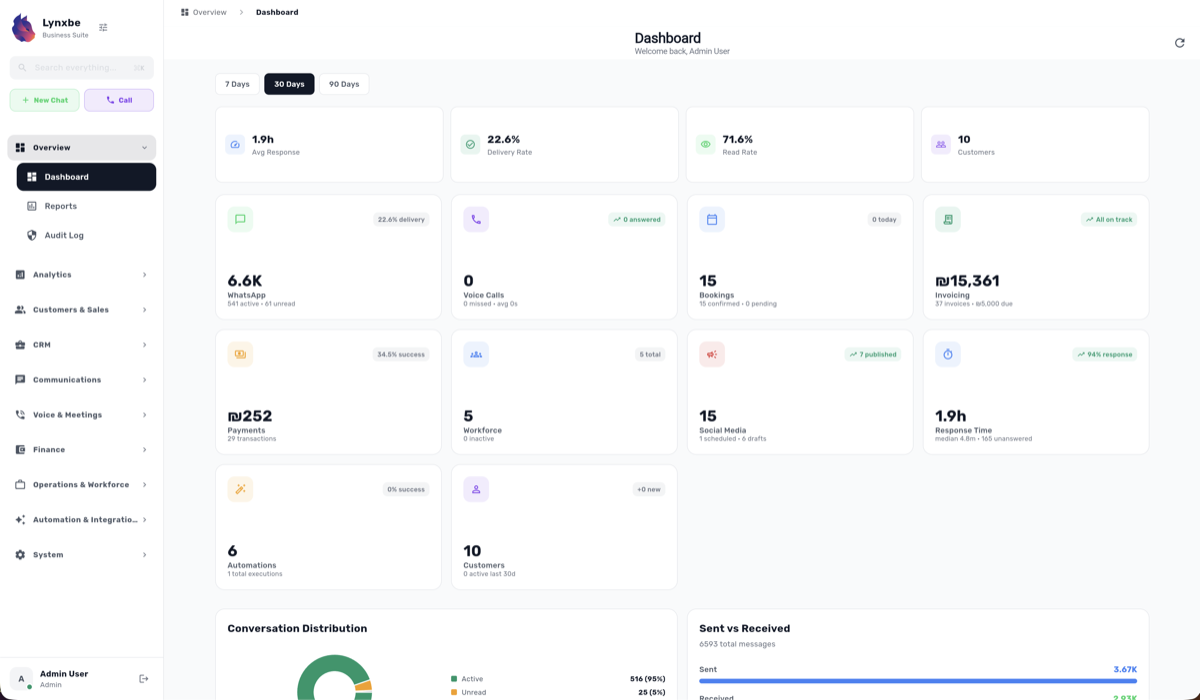
In today's digital age, communication with customers has become critical to the success of any business. One of the leading platforms in this field is WhatsApp, which has become an essential tool for businesses around the world. With the launch of the WhatsApp Cloud API, new and exciting doors are opening for businesses of all sizes, allowing them to enhance customer experience and streamline their workflows.
In this article, we will review the changes and new features in the WhatsApp Cloud API, learn how to leverage the new tools to improve customer experience through automation, and provide guides for integrating WhatsApp into existing platforms. Additionally, we will present real-world use cases from Israeli businesses that have innovatively utilized the WhatsApp Cloud API.
Moreover, we will share practical tips that can enhance your use of the WhatsApp API and help you build deeper connections with your customers. At the end of the article, you will find a summary with important insights that can guide you towards using the system.
Understanding the Changes and New Features in the API
The WhatsApp Cloud API is the advanced version of the previous API, offering several new features that can enhance the user experience for businesses. One significant change is the shift to the cloud, which allows businesses to operate more flexibly without the need for complicated local installations. This is a huge advantage for small and medium-sized businesses that do not have the resources to set up complex infrastructure.
Additionally, the WhatsApp Cloud API provides access to advanced data analytics services, enabling businesses to gain deep insights into their interactions with customers. These insights include usage data, such as response times, message open rates, and even sentiment analysis of customers. This way, businesses can better understand their customers' needs and improve the products and services they offer.
Another feature is easy integration with additional tools, such as CRM systems and other management platforms. This allows businesses to streamline their workflows and save time by automating certain tasks. For example, the API can be integrated with customer management systems to send automated messages to customers when there is an important update or when a quick response is needed.
How to Improve Customer Experience Through Automation
Automation is a key tool in enhancing customer experience, and the WhatsApp Cloud API provides numerous tools to achieve this goal. Through automation, businesses can offer quick and efficient responses, upgrade communication with customers, and improve overall service. For example, automatic messages can be set up to be received when a customer sends a message during non-business hours.
Automated scripts can help direct customers to the information they are looking for, such as business hours, contact details, or frequently asked questions. This way, customers do not have to wait for a response from a representative, and the business can save valuable time. The message could look like this:
# Example of an automatic message
def send_auto_reply(customer_message):
    if customer_message == "Business Hours":
        return "Our business hours are Mon-Thu 9:00 AM - 6:00 PM. Fri 9:00 AM - 1:00 PM."
    else:
        return "Thank you for reaching out! Our representative will get back to you shortly."
The advantage of automation is not only time savings but also the enhancement of customer experience. Customers expect quick responses, and if a business can provide the necessary information automatically, it conveys professionalism and care.
Furthermore, automation can be used to send personalized messages to customers, such as promotions and discounts based on purchase history. Such automation can lead to increased sales and improved customer relationships, resulting in more loyal customers.
Guides for Integrating WhatsApp into Existing Platforms
Integrating the WhatsApp Cloud API into existing platforms is a relatively straightforward process but requires a deep understanding of the systems you have. To get started, you need to register for the WhatsApp Business API through an approved service provider. After that, you will need to gain access to the API interface and create the necessary keys.
Next, you can start integrating the API with your existing systems. For example, if you are using a CRM like Salesforce, you can create an integration that sends messages to customers directly from the system. It could look like this:
# Example of integration with CRM
def send_message_to_customer(customer_id, message):
    # Code to retrieve customer details from the CRM
    customer_data = get_customer_data(customer_id)
    # Sending the message to the customer
    whatsapp_api.send_message(customer_data['phone_number'], message)
With this integration, you can send personalized messages to each customer, such as order status updates or meeting reminders. This process shortens response times and increases customer satisfaction.
To facilitate the process, it is advisable to use ready-made development libraries that simplify the integration, such as Twilio or MessageBird. These libraries offer user-friendly interfaces that allow businesses to easily start working with the WhatsApp API.
Real-World Use Cases from Israeli Businesses
In Israel, many businesses have already begun to leverage the WhatsApp Cloud API to improve communication with their customers. An example is the company "HaMashkefet", which offers travel and attraction services. The company used the WhatsApp API to send updates to customers about upcoming trips, changes in departure times, and special offers.
Through automation, the company managed to increase the open rate of messages to over 90%, which led to a significant increase in sales. Customers received real-time updated information, and the feeling was that they were receiving more personalized service, which enhanced their loyalty to the company.
Another example is the company "Zap", a leader in e-commerce in Israel. The company used the WhatsApp API to send customers automated messages after purchases, including order details, tracking information, and recommendations for additional products. The result was a significant improvement in customer service and a reduction in inquiries to customer service.
Another case is that of a restaurant in Tel Aviv that used the WhatsApp API to manage phone reservations. Customers could book a table via WhatsApp, and the restaurant experienced a notable improvement in booking rates. The restaurant also sent updates on promotions and new dishes, which increased revenue.
Best Practices and Tips
To make the most of using the WhatsApp Cloud API, there are several tips to keep in mind. First, it is advisable to invest time in creating quality message templates that can serve as a basis for automated messages. These templates should be clear, concise, and inviting.
Second, it is recommended to use data analytics tools to track the performance of messages. Understanding what works and what doesn't can help you improve communication with your customers.
Finally, it is very important to maintain a human connection even when using automation. Customers need to feel they are receiving personalized service, not just automated messages. Therefore, it is essential to ensure that automated messages also include an option for customers to reach out to a real person if needed.
Insights and Actionable Advice
In conclusion, the changes and new features in the WhatsApp Cloud API offer numerous opportunities for enhancing customer experience and business performance. Automating processes and integrating with existing systems can lead to significant upgrades in customer service and lower operational costs.
Additionally, it is important to leverage the new features to optimize your use of the API. Launching automated programs, data analytics, and maintaining a human connection can make the difference between a successful business and a less profitable one.
We recommend investing time and effort to improve the use of the WhatsApp Cloud API to ensure that your business remains competitive and efficient in the modern market. If you are interested in learning more or need assistance in integrating the API into your business, do not hesitate to contact us

Comments
💬 Share your thoughts