Is the WhatsApp Cloud API suitable for your business?
Is WhatsApp Cloud API Right for Your Business?
In today's digital age, communication with customers has become essential for the success of any business. Over the past decade, WhatsApp has become one of the most popular applications in the world, with over 2 billion active users. The use of this application is not limited to personal communication; it also offers advanced solutions for businesses. WhatsApp Cloud API is a new tool that allows businesses to easily connect with their customers through a familiar and convenient platform.
But is WhatsApp Cloud API really suitable for your business? To understand the advantages and possible applications of this tool, we will go over some key points that can help you decide. We will examine the benefits of using the API, how it can be integrated into existing CRM systems, tips for managing communication with customers, and examples of successful uses in various businesses.
While many businesses are already using the application to communicate with customers, WhatsApp Cloud API offers advanced solutions that enable automation, conversation management, and the sending and receiving of messages seamlessly. All of these can enhance the customer experience and streamline the company's workflows. Today, more and more businesses in Israel understand the importance of digital communication platforms, and WhatsApp Cloud API is a tool that can upgrade business communication.
Understanding the Benefits of WhatsApp Cloud API for Businesses
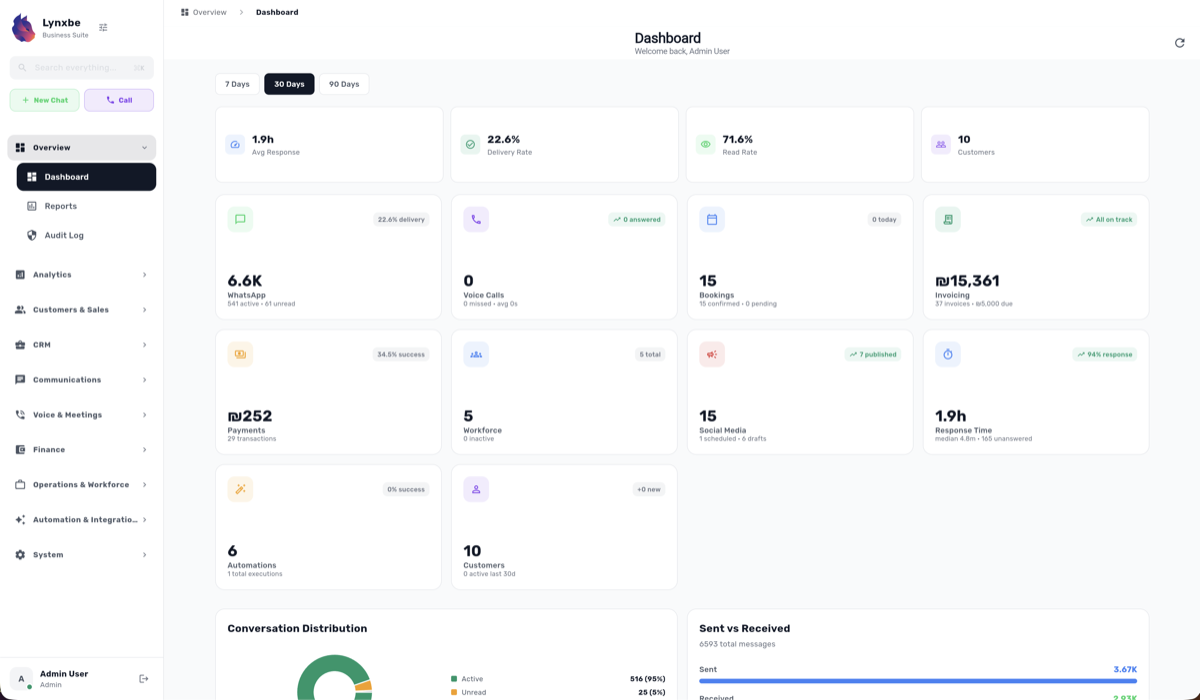
WhatsApp Cloud API offers a wide range of benefits for businesses, from the ability to manage conversations with customers automatically to enhancing the customer experience. One of the standout advantages is the ability to send targeted and personalized messages, which increases the likelihood that customers will respond to the messages.
With WhatsApp Cloud API, you can create automated workflows, such as sending automatic messages after a purchase or reminder messages for appointments. This reduces the burden on service teams and streamlines response times to customers. For example, a food business can send automatic messages with updates on deliveries, which increases customer satisfaction.
Additionally, WhatsApp Cloud API offers integration with existing CRM systems, allowing businesses to manage all communication with customers on one platform. This not only saves time but also improves information synchronization between different teams.
How to Integrate the API into Existing CRM Systems
One of the key questions that arise when it comes to integrating WhatsApp Cloud API is how to integrate the tool into existing CRM systems. The process is relatively simple but requires proper planning. First, it is essential to understand the business requirements and the needs of the marketing and service teams.
To integrate the API into a CRM system, several steps must be taken. First, you need to sign up for the WhatsApp Cloud API service and create the application that will connect to your system. Then, you need to configure the necessary settings, such as the phone number from which messages will be sent and additional settings that may affect the communication process.
Once the basic settings are configured, you can start developing the functions that will allow the CRM system to send and receive messages. For example, you can use the following code to send a message via the API:
import requests

url = "https://graph.facebook.com/v13.0/{phone_number_id}/messages"

payload = {
    "messaging_product": "whatsapp",
    "to": "recipient_phone_number",
    "text": {
        "body": "Automated message sent via WhatsApp Cloud API"
    }
}

headers = {
    "Authorization": "Bearer YOUR_ACCESS_TOKEN",
    "Content-Type": "application/json"
}

response = requests.post(url, json=payload, headers=headers)

print(response.json())  # Print the response from the server
Using this code, you can easily send messages via WhatsApp Cloud API and integrate it into CRM systems seamlessly.
Tips for Managing Communication with Customers via WhatsApp
To manage effective communication with customers via WhatsApp, there are several tips that can enhance the customer experience and increase their engagement. First, ensure high availability. Customers expect quick responses, so it's important that teams are prepared to answer questions and resolve issues immediately.
Second, maintain a professional yet friendly tone of communication. Customers prefer to talk to brands that understand them and create a personal connection. When drafting messages, be sure to use clear and inviting language.
Additionally, it is important not to send too many or irrelevant messages. Over-messaging can make customers feel annoyed, so it's essential to maintain a proper balance in message delivery. Important informational messages, such as updates on new promotions or changes in services, are always welcome, but avoid flooding the customer's inbox.
Examples of Successful Uses in Various Businesses
There are many examples of successful uses of WhatsApp Cloud API in different businesses. For instance, an Israeli fashion company used the API to send messages to customers about special promotions. They sent personalized messages to each customer with discounts on products that customers had previously shown interest in, resulting in a significant increase in sales.
Another example is a restaurant chain that used WhatsApp Cloud API to manage orders and respond to customer inquiries. Through an automated system, they managed to reduce the burden on the service team and provide quick and efficient responses to customers, which increased their satisfaction.
Furthermore, there are technology businesses that have used WhatsApp Cloud API to provide technical support. Customers can send messages with technical questions, and the team can quickly respond with solutions, reducing the burden on service centers.
Best practices and tips
To get the most out of WhatsApp Cloud API, there are several best practices that should be adopted. First, it is advisable to track the performance of the messages you have sent. Data analysis can help understand which messages were effective and which were not, thus improving communication in the future.
Second, it is recommended to diversify the types of messages you send. Sending text-only messages can be boring, so it is good to include images, videos, and links. This creates a richer user experience and captures the attention of customers.
Finally, don't forget to check the settings of the automated messages. Ensure they are aligned with your brand and provide real value to customers. Automated messages can be an excellent tool, but care must be taken to ensure they do not feel like "spam".
Actionable insights and takeaways
To summarize, WhatsApp Cloud API offers businesses an advanced platform for communication with customers. Its benefits include automation, convenient conversation management, and improved customer experience. By integrating the API into existing CRM systems, businesses can streamline communication and enhance customer satisfaction.
Successful uses of the API have already proven themselves in Israeli businesses, highlighting the potential of this tool for driving sales and improving customer service. With the tips and recommendations mentioned, you can start optimizing communication with your customers and leverage the benefits of WhatsApp Cloud API.
Conclusion
In conclusion, WhatsApp Cloud API is a powerful tool that can enhance your business's communication with customers. If you are looking for a solution for automated communication, conversation management, or improving customer experience, it is worth considering using this API.
We invite you to start exploring the possibilities that WhatsApp Cloud API offers. Take the first step towards improving communication with your customers and increasing conversions in your business. Feel free to contact us for further consultation or assistance in the implementation process.

Comments
💬 Share your thoughts