Guide: Migrating a Business to WA Cloud API in 5 Simple Steps
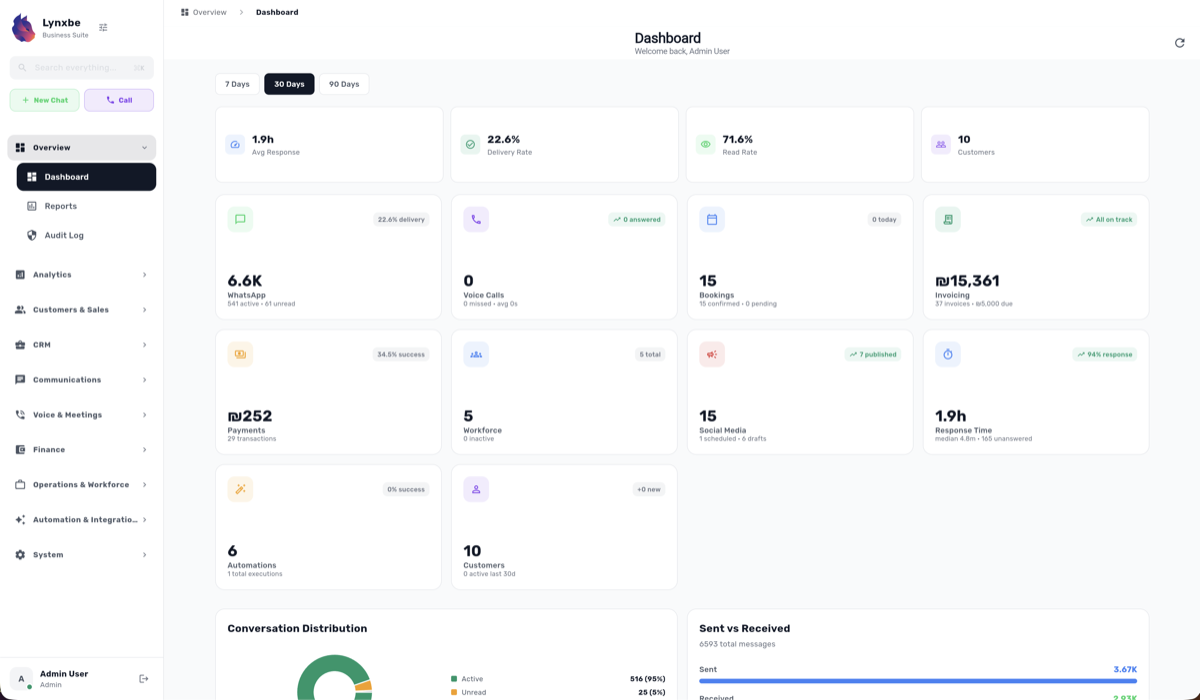
In the last decade, the WA Cloud API has become one of the most advanced technologies in the field of digital communication. For many businesses, transitioning to cloud-based services is not just a technological move but also a strategic one. Today, businesses can leverage the benefits of advanced applications, automation, and analytical technologies to enhance customer experience and increase efficiency. In this article, we will learn how to migrate a business to WA Cloud API in 5 simple steps.
Throughout the article, we will compare WhatsApp Business API to WA Cloud API, review important steps for safely migrating the system, discuss automated settings for customer service, and examine how to use analytical tools to track performance. We will present practical examples, real-world cases, tips, and recommendations, and everything you need to know to succeed in this transition.
Therefore, if you are developers, startup founders, or CTOs, you have come to the right place. The information and tools we provide here will help you ensure the right and smooth transition to WA Cloud API, while making optimal use of advanced technologies.
Understanding the Differences Between WhatsApp Business API and WA Cloud API
The WA Cloud API is a relatively new solution developed by WhatsApp, and it offers many advantages over the traditional WhatsApp Business API. The main difference lies in the fact that the WA Cloud API provides cloud-based services, which simplifies the management and technical process for businesses.
While the WA Business API requires local installation of servers, the WA Cloud API offers an easy solution for integration with existing systems. This allows businesses to operate their services more quickly and efficiently, without worrying about maintaining complex technological infrastructures.
Additionally, the WA Cloud API provides a simpler interface for development, with more comprehensive documentation, ensuring that the process is accessible even to less experienced developers. This is a significant advantage for startups and development teams looking to rapidly expand their capabilities.
Steps for Safely Migrating the System
To ensure a safe transition to WA Cloud API, several steps must be taken to ensure everything runs smoothly. The first step is to assess the business's needs and ensure that the WA Cloud API meets your technological and business requirements.
Next, you should back up all existing data in the WA Business API system. This process is important to ensure that no information is lost during the transition. It is recommended to use automated backup services to facilitate the process.
Another step is to plan the data migration systematically. Ensure that the tools and databases you have are compatible with the requirements of WA Cloud API. For example, if you are using certain data tables, make sure they match the data structure that WA Cloud API accepts.
Then, you should review the automated processes you want to implement. Some of these processes may include sending automated messages to customers, scheduling appointments, or managing customer service requests. You need to define these processes in advance to ensure everything runs smoothly after the transition.
Finally, thorough testing should be conducted to ensure that the system operates correctly after the migration. These tests will include sending messages, receiving responses from customers, and verifying that the data has been successfully transferred.
Automated Settings for Customer Service
One of the advanced features of WA Cloud API is the ability to define automated processes for customer service. These processes can save a lot of time and improve the customer experience. For example, you can set up automated responses to frequently asked questions, which will ease the workload on your team and ensure that customers receive quick responses.
The process of setting up automated responses is relatively simple. Using the management interface of WA Cloud API, you can set automated messages that will be received when a message is received from a customer. For example:
# Example of setting up an automatic reply
def auto_reply(message):
    if "frequently asked question" in message:
        return "Answer to the frequently asked question"
    return "Unknown question, our representative will contact you shortly."
Additionally, more advanced processes can be defined, such as managing customer service inquiries using bots. Bots can engage in conversations with customers, route them to the appropriate representatives, and provide essential information as needed.
With these automated settings, businesses can ensure faster and more efficient customer service, which can significantly improve customer satisfaction.
Using Analytical Tools to Track Performance
One of the important features of WA Cloud API is the ability to track performance using analytical tools. These tools allow businesses to monitor their activity, analyze data, and make improvements based on the information collected. For example, you can track the number of messages sent, response times, and conversion rates.
With this information, you can gain important insights into how customers interact with the business. For example, if you find that your response times are long, you can improve the automated processes or add more representatives.
To start using analytical tools, you need to define the metrics you want to track. For example:
# Example of generating performance data
def track_performance(messages_sent, response_time):
    conversion_rate = (messages_sent / total_customers) * 100
    print(f"Conversion Rate: {conversion_rate}%")
    print(f"Average Response Time: {response_time} seconds")
With this data, you can continuously optimize your services and ensure that you meet your customers' expectations.
Use Cases from the Israeli Technology Sector
In Israel, there are several businesses that have successfully implemented the WA Cloud API. One example is "Mobileye," which used this technology to improve communication with its customers. They managed to operate an automated system that efficiently handled customer service inquiries, leading to increased customer satisfaction.
Another example is "Pioneer," which implemented the WA Cloud API to streamline its customer support process. Through automated settings, they were able to reduce response times and enhance the user experience for customers.
Other companies like "Wix" and "Gett" are also leveraging the WA Cloud API for customer service. They have adopted a data-driven approach, using analytical tools to identify potential service issues and make improvements.
In this context, it is important to note the impact of technology on improving the revenues of these companies. With the WA Cloud API, they have succeeded in enhancing communication with their customers, resulting in increased conversion rates and customer loyalty.
Tips and Best Practices
To ensure that the transition to WA Cloud API goes smoothly, it is advisable to adhere to several best practices. First, ensure proper planning of the process. Spend time mapping out your needs and examining the various options.
Second, do not neglect the training of your team. Ensure that all employees, especially customer service staff, are aware of the changes and new processes. Proper training will help ease the transition and reduce stress.
Third, make sure to conduct thorough testing after the transition. This is a critical step to ensure that the system operates correctly and that customers receive the desired service.
Insights and Lessons Learned
In conclusion, transitioning to WA Cloud API is an important technological move that can significantly upgrade your business. You need to understand the differences between WA Business API and WA Cloud API, prepare your team, and ensure that automated settings and customer service operate smoothly.
Additionally, using analytical tools to track performance can enhance the process and ensure continuous improvements. All of this together will lead to improved customer satisfaction and business growth.
Summary with a Call to Action
If you are ready to take the next step and migrate your business to WA Cloud API, it is time to act. Start by assessing your needs, backing up existing data, and planning the process thoroughly.
Do not forget to track your performance with analytical tools and make continuous improvements. You are not alone in this transition, and there are many resources and tools that can help you.
Finally, we recommend reaching out to experts in the field or technology development groups to receive support and ensure that the






Comments
💬 Share your thoughts