Leveraging WhatsApp Business for SMB Growth in Israel
In an ever-evolving digital landscape, small and medium-sized businesses (SMBs) in Israel face the challenge of standing out and connecting with their customers. As consumer preferences shift toward instant communication, platforms like WhatsApp have emerged as essential tools for engagement. WhatsApp Business, in particular, offers SMBs a unique opportunity to leverage their existing customer base and expand their reach through effective communication strategies.
WhatsApp Business is not just another messaging app; it’s a robust platform tailored for business needs. With over 2 billion users worldwide, WhatsApp’s popularity in Israel is undeniable, making it a strategic choice for SMBs looking to grow. By integrating WhatsApp into their operations, companies can streamline customer interactions, enhance service delivery, and foster lasting relationships with their clientele.
This blog post will explore how SMBs in Israel can leverage the WhatsApp Business API for growth. From setting up the API for maximum impact to integrating it with existing CRM systems, we’ll provide a detailed guide filled with real-world use cases, best practices, and actionable insights. With a focus on the Israeli tech scene, we will showcase how local startups have successfully harnessed the power of WhatsApp Business to drive customer engagement and business growth.
Whether you are a startup founder, a CTO, or a tech professional, understanding the nuances of WhatsApp Business can give your business a competitive edge. Let’s dive deeper into how to effectively utilize this platform to enhance your customer interactions and drive your SMB growth.
Setting Up WhatsApp Business API for Maximum Impact
The first step in leveraging WhatsApp Business for your SMB is understanding how to set up the WhatsApp Business API. Unlike the standard WhatsApp application, the Business API is designed for medium and large businesses, allowing for automated messages, customer support, and integration into your business processes. To get started, you’ll need to apply for the API through a Business Solution Provider (BSP) that can help you navigate the process.
Once you have access to the API, the setup process involves several key steps. You’ll first need to verify your business with WhatsApp, which typically requires the submission of your business registration documents. After verification, you can configure your WhatsApp Business profile, which includes important details like your business name, description, address, and website link. This profile serves as your digital storefront on the platform, so make sure it is informative and professional.
One essential feature of the WhatsApp Business API is the ability to automate messages. Utilizing templates for notifications and confirmations can significantly improve response times and customer satisfaction. For instance, if a customer places an order, you can instantly send a confirmation message using a pre-approved template. Here’s a simple example of how to send a message using the WhatsApp Business API:
import requests

url = "https://api.whatsapp.com/v1/messages"

payload = {
    "to": "recipient_phone_number",
    "type": "text",
    "text": {
        "body": "Thank you for your order! Your confirmation number is 12345."
    }
}

headers = {
    'Authorization': 'Bearer YOUR_ACCESS_TOKEN',
    'Content-Type': 'application/json'
}

response = requests.post(url, json=payload, headers=headers)

print(response.json())
In this example, replace `recipient_phone_number` with the actual phone number of your customer and `YOUR_ACCESS_TOKEN` with your API token. This setup enables you to maintain timely communication with customers, ensuring they feel valued and informed.
Integrating CRM with WhatsApp for Streamlined Communication
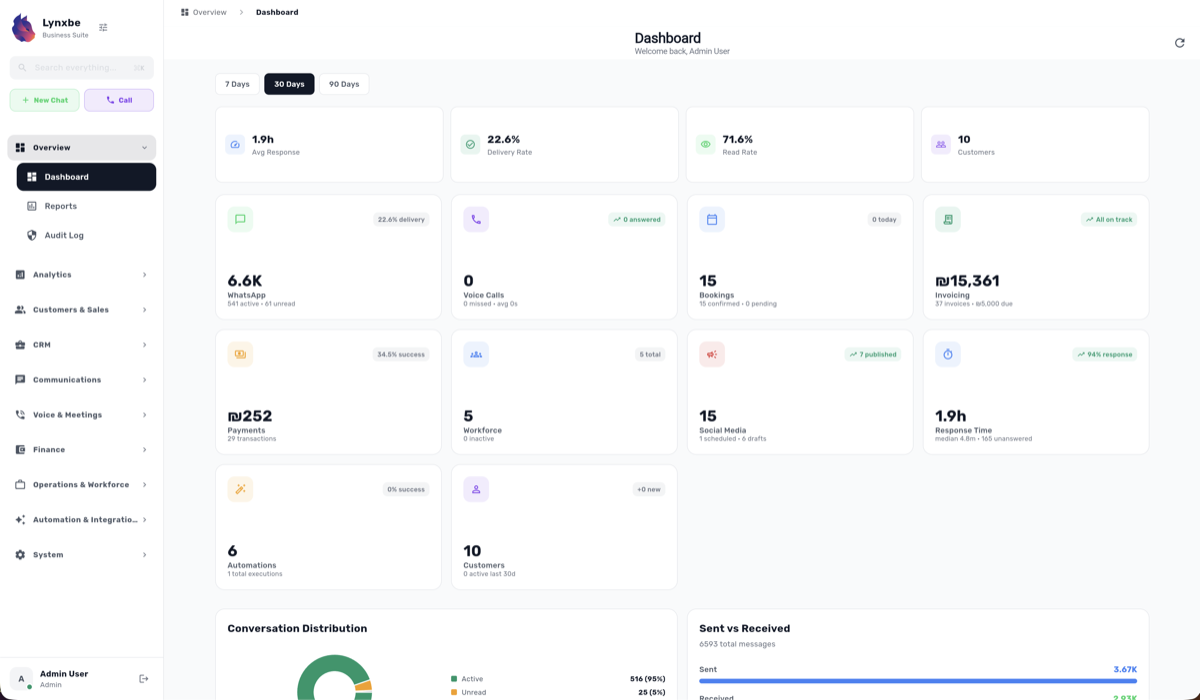
Integration of WhatsApp Business with your Customer Relationship Management (CRM) system can take your customer interactions to the next level. By connecting these two platforms, you can maintain a centralized database of customer information, communication history, and preferences. This integration allows for more personalized interactions and efficient management of customer inquiries.
For instance, when a customer messages your business on WhatsApp, the integration can automatically create or update their profile in your CRM. This ensures that all communications are logged, making it easier for your team to follow up and address any concerns promptly. Additionally, it allows you to segment your audience based on their interactions, enabling targeted campaigns and personalized messages.
Many CRM platforms, such as HubSpot, Salesforce, and Zoho, offer integrations with WhatsApp Business. However, if you are using a custom-built CRM, you can use the WhatsApp Business API to create a tailored integration. Below is a simple example of how this could be done using a webhook to receive messages from WhatsApp:
from flask import Flask, request

app = Flask(__name__)

@app.route("/webhook", methods=['POST'])
def webhook():
    data = request.json
    sender = data['from']
    message = data['body']

    # Process the message and store it in your CRM
    log_message_in_crm(sender, message)

    return "Message received", 200

def log_message_in_crm(sender, message):
    # Code to log the message in your CRM
    pass

if __name__ == "__main__":
    app.run(port=5000)
In this code snippet, we set up a Flask application that listens for incoming messages from the WhatsApp API. When a message is received, it logs the message with the sender's information into the CRM. This automation can drastically reduce the manual work involved in managing customer interactions, allowing your team to focus on providing excellent service.
Best Practices for Customer Interaction and Follow-Ups
Engaging with customers effectively on WhatsApp requires a strategic approach. First and foremost, businesses should prioritize responsiveness. Customers today expect quick replies, and using WhatsApp allows you to meet these expectations. Setting up automated greetings and quick reply templates can help ensure that no message goes unanswered.
Another best practice is to maintain a human touch in your conversations. While automation is helpful, it’s essential that customers feel they are interacting with a real person. Use the WhatsApp Business features to personalize your messages. For instance, addressing customers by their names can significantly enhance their experience and foster a loyal relationship.
Additionally, businesses should consider creating a messaging schedule for follow-ups. After a customer interaction, whether it’s a purchase or an inquiry, sending a follow-up message can reinforce the relationship. This could be a simple thank you note or a request for feedback. For example, a local restaurant could send a message asking, “How was your experience with us today?” This not only shows that you value their opinion but also opens the door for further engagement.
Moreover, leveraging WhatsApp for promotional activities can be highly effective. Sending targeted offers or discounts directly to customers can encourage repeat business. However, it’s crucial to adhere to WhatsApp’s guidelines to avoid coming off as spammy. Make sure customers have opted in to receive promotional messages, and provide them with an easy way to unsubscribe.
Case Studies of Successful WhatsApp Integrations in Israel
To illustrate the effectiveness of WhatsApp Business, let’s explore a few success stories from Israeli companies that have successfully integrated the platform into their operations.
One notable example is **Wolt**, a food delivery service that effectively uses WhatsApp to enhance customer support. By integrating WhatsApp Business into their customer service strategy, Wolt can handle inquiries and complaints in real-time, providing timely assistance to customers. This integration has not only improved customer satisfaction but also reduced the workload on their support team.
Another case is **ZAP**, a local classifieds platform that uses WhatsApp for communication between buyers and sellers. By allowing users to connect via WhatsApp, ZAP has streamlined the negotiation process, leading to faster transactions and a better user experience. This integration has contributed significantly to their growth in user engagement and retention.
Moreover, **Gett**, a ride-hailing service, utilizes WhatsApp Business to communicate updates and promotions to their customers. By sending personalized messages directly to users via WhatsApp, Gett has seen an increase in customer loyalty and engagement. The ability to reach customers where they are already spending their time has proven invaluable for their marketing strategy.
These success stories highlight how local businesses are harnessing the power of WhatsApp Business to drive customer engagement and enhance their service offerings. By adopting similar strategies, SMBs can position themselves for growth in an increasingly competitive market.
Best Practices and Tips
As you embark on your journey to leverage WhatsApp Business for your SMB, consider the following best practices and tips to maximize your success.
First, always ensure compliance with WhatsApp’s business policies. This includes obtaining user consent for messaging and providing clear opt-out options. Respecting customer privacy and preferences is paramount in maintaining a positive brand image.
Second, invest in training your team to handle WhatsApp communications effectively. Providing them with guidelines on tone, response time, and how to escalate issues can make a significant difference in customer interactions. Empowering your staff with the right tools and knowledge can lead to improved customer service.
Third, continuously analyze your WhatsApp interactions. Utilize metrics to gauge response times, customer satisfaction, and engagement levels. This data can provide insights into what is working and what needs improvement, allowing you to refine your strategy over time.
Lastly, don’t hesitate to innovate. Explore new ways to engage with your audience through WhatsApp, whether it’s using multimedia messages, conducting surveys, or hosting events. The more creative you are in your engagement strategies, the more likely you are to stand out in the minds of your customers.
Actionable Insights and Takeaways
As we conclude this exploration of leveraging WhatsApp Business for SMB growth in Israel, here are some actionable insights and takeaways to consider.
First, don’t underestimate the power of timely communication. Use WhatsApp to keep your customers informed and engaged, as this can lead to increased satisfaction and loyalty.
Second, integrate WhatsApp with your CRM to centralize customer data and streamline interactions. This can significantly improve your team's efficiency and ensure no customer query goes unnoticed.
Third, utilize automation wisely. While it can enhance efficiency, always maintain a balance with personalized interactions to ensure your customers feel valued.
Finally, learn from the success stories of others in your industry. Analyze how Israeli companies like Wolt and Gett have implemented WhatsApp Business strategies and adapt these lessons to fit your business model.
Conclusion and Call to Action
In a world where customer expectations are continuously evolving, leveraging WhatsApp Business can be a game-changer for SMBs in Israel. By effectively setting up the API, integrating with CRM systems, and following best practices for customer interactions, your business can thrive in this competitive landscape.
Now is the time to take action. Begin by assessing your current communication strategy and identify how WhatsApp Business can fit into your operations. Whether it’s enhancing customer support or driving engagement through personalized messaging, the possibilities are vast.
Embrace this opportunity to connect with your customers on a platform they already love and use daily. By doing so, you will not only enhance your customer service but also foster lasting relationships that can drive your business growth to new heights.


Comments
💬 Share your thoughts